
Aluminum Wiring Florida Homes: Risks and Next Steps
By My Electrician, Inc.

A burning smell or unusual warmth near a light switch can signal a dangerous connection hidden behind the wall. For owners of aluminum wiring Florida homes, early action matters because a loose connection can overheat without an obvious warning.
Schedule Service with My Electrician for a professional wiring safety inspection.
Aluminum wiring Florida homes often features single-strand conductors installed between 1965 and 1973 that pose major safety risks and make getting insurance a difficult task. This material tends to expand and contract more than copper when power flows; this movement causes connections at outlets and switches to loosen over time. This loose connection leads to dangerous heat buildup and possible fire hazards behind your walls that you might not notice until a failure happens. According to the Consumer Product Safety Commission, these older homes are 55 times more likely to reach fire hazard conditions than those with copper. Homeowners must find and fix these hidden dangers with a professional safety check or full rewiring to protect their property and satisfy local insurance requirements.
Many older homes still have these wires, but homeowners can reduce risk by recognizing warning signs and arranging a professional assessment. This guide explains why aluminum wiring in Florida homes deserves attention, what an inspection covers, and which repair options an electrician may recommend.
Aluminum Wiring Florida Homes: Why aluminum wiring in Florida homes deserves attention
Many Florida homes built between 1965 and 1973 used aluminum wiring for electrical circuits. During this time, the price of copper rose, so builders turned to aluminum as a lower-cost option. While it seemed like a good choice then, we now know that older aluminum wiring can cause safety issues over time. If your house has aluminum wiring florida homes owners should know about, it is key to learn how it works and what risks it may bring.
Safety risks and fire hazards
The main concern with aluminum wiring is how it reacts at connection points. Unlike copper, aluminum expands and contracts more when it gets hot or cold. This can lead to loose connections at outlets, switches, and junction boxes. A national survey by the CPSC shows these homes are 55 times more likely to have connections reach fire risks than homes with copper.
Often, these failing connections do not show any warning signs before they overheat. But some people do notice flickering lights, hot outlet plates, or the smell of burning plastic. Because these risks are high, getting a professional electrical inspection is a smart first step. It helps find hidden problems before they turn into a real fire risk for your family.
Single-strand vs service conductors
It is key to know that not all aluminum wiring in your home is the same. The biggest risk comes from single-strand aluminum wires that go to your lights and wall outlets. These wires are often solid and silver-colored, which makes them easy to spot compared to the reddish color of copper. Most problems happen with solid aluminum wire in sizes #10 and #12 gauge.
On the other hand, larger multi-strand aluminum wires are still used today for service entrance lines and big appliances. These larger wires are mostly safe when set up with the right tools and grease. They do not have the same failure rate as the small wires found in older branch circuits. A licensed expert can tell the difference and tell you if your house wiring and rewiring services are needed.
Florida insurance and property value
In the state of Florida, having aluminum wiring can make it hard to get home insurance. Many insurance carriers see it as a high risk and may deny coverage or charge much higher rates. In fact, only about 6 out of 17 major Florida carriers usually accept homes with this type of wiring. Even then, they often need proof of correct repairs or a full update to copper.
Beyond insurance, this type of wiring can also affect the value of your home when you try to sell it. Buyers may be wary of the safety risks and the cost of future work. Taking care of these issues now can protect your home and your wallet in the long run. Keeping your home safe starts with knowing the facts and working with experts who know the local rules.
How can you tell if your home has aluminum wiring?
Many aluminum wiring florida homes were built when copper was costly. For people with these homes, safety is a top concern. This is true for many owners in Port St. Lucie and the Treasure Coast. If you live in an old house, you might want to know what metal is in your walls. It is hard to know for sure by looking. But you can find clues in your attic or garage. Knowing what to look for can help you stay safe. It also helps you plan for future work on your house.
Check the age of your home
The first clue is the year your house was built. Builders used aluminum branch circuits mostly from 1965 to 1973. Pros think that about 1.5 million homes in the U.S. have this wiring. If your home was built before 1965, it is likely fine. Most homes built after the mid-1970s use copper for small circuits. You can check your tax records to find the year your home was built.
The year is key because this type of wire can be a risk. The old metal can swell and shrink as it gets hot and cold. This movement makes wire joints loose. Loose wires can lead to sparks or heat. The Consumer Product Safety Commission says these homes are 55 times more likely to have a fire hazard at an outlet than copper homes. Checking the age of your home is the best place to start. Knowing when your home was built can save you time and money.
Follow these steps to find clues
You do not need to cut your walls to look for aluminum. You can often see the wires in open areas. Always be careful near power lines and do not touch bare wires. If you feel unsafe, stop and call a pro. Here are the steps to check your wiring safely.
- Go to an area with open wires like your attic or garage.
- Look at the outer wrap of the electrical cables.
- Look for the words "AL", "ALUM", or "ALUMINUM" printed on the wrap.
- Check the date on the wire wrap to see if it was made in the 1960s or 1970s.
- Look at the end of a wire if you can see it at a switch or outlet plate.
- See if the metal is silver instead of the orange-red color of copper.
Finding "AL" on your cables is a clear sign. But keep in mind that marks are not always there. Some cables might be hidden by dust or padding. If you find these clues, you should think about getting a professional electrical inspection. A pro can tell if your home is safe or if it needs a fix.
Watch for warning signs in your rooms
Sometimes your house will give you hints that the wiring is failing. These signs often show up at outlets or light switches. You might notice that your lights flicker when you use a large tool. Or you might feel a wall plate that is hot to the touch. These are big red flags that your wiring needs a look.
Other signs include the smell of burning plastic near an outlet. This smell means that the heat has already reached a high level. But some wires can fail with no warning at all. This is why you should not wait for a problem. If you think you have old wiring, house wiring and rewiring services can help. Fixing the issue early keeps your home safe and gives you peace of mind.
Warning signs that call for an electrician
Electrical issues are not always easy to see. You should watch for clear signs that something is wrong. Small things can lead to big fires if you do not act fast. If you notice any of these signs, you need help from a pro right away. Do not try to open or touch any live parts yourself. This can be very risky. It is best to stay back and wait for a pro to check your home.
Unusual heat and odors
One big sign of trouble is heat where it should not be. If an outlet or switch feels hot to the touch, this is a major red flag. You might also see dark marks or smoke on your walls. These marks often mean the wires inside are getting too hot. This heat can melt the plastic parts of your system. When this happens, you may smell a bad odor. Many people say it smells like burning plastic or fish.
If you smell smoke or see sparks, turn off the power at the panel. Do not wait for things to get worse. Burning smells often come from failing wire links. This is a common issue for many aluminum wiring florida homes. When the metal gets hot, it can char the wood inside your walls. A professional electrical inspection can find these loose spots before they start a fire. We use tools to find heat that you cannot see with your eyes.
Flickering lights and power drops
Do your lights dim when you turn on a fan? Does the power dip when your AC kicks in? Flickering or dimming lights are common signs of a weak circuit. You may also hear a buzzing or humming sound from your walls. These sounds often mean electricity is jumping between loose wires. This can create enough heat to start a fire in a split second. Loose outlets that do not hold a plug tightly can also cause this risk.
Frequent breaker trips are another sign you need a pro. A breaker that flips often is doing its job to stop a fire. But it also means your system is too full or has a short circuit. If you have to reset your breaker more than once a month, you should call for circuit breaker replacement and repair. Skipping this can lead to harm for your home. Our team can find out if your panel needs a fix or if your home needs more power.
The hidden risks of old wiring
Many homeowners do not know that failing wires can be silent. You might not see any signs before a fire starts. This is why it is so needed to know what kind of wires you have. Homes built between 1965 and 1973 often have aluminum wiring. These homes are 55 times more likely to have fire dangers at wire links than copper-wired homes. This fact comes from a study by the U.S. Consumer Product Safety Commission (CPSC).
You should check the color of your wires if you can see them. Aluminum wire is silver. Copper wire is red or orange. If you see silver wire, you need to be very careful. You should have a pro look at your home to make sure the links are safe. My Electrician offers prompt help to keep your family safe from these hidden risks. We can check your home and give you a clear plan to fix any issues. Safe wiring is the best way to protect your home and your loved ones for years to come.
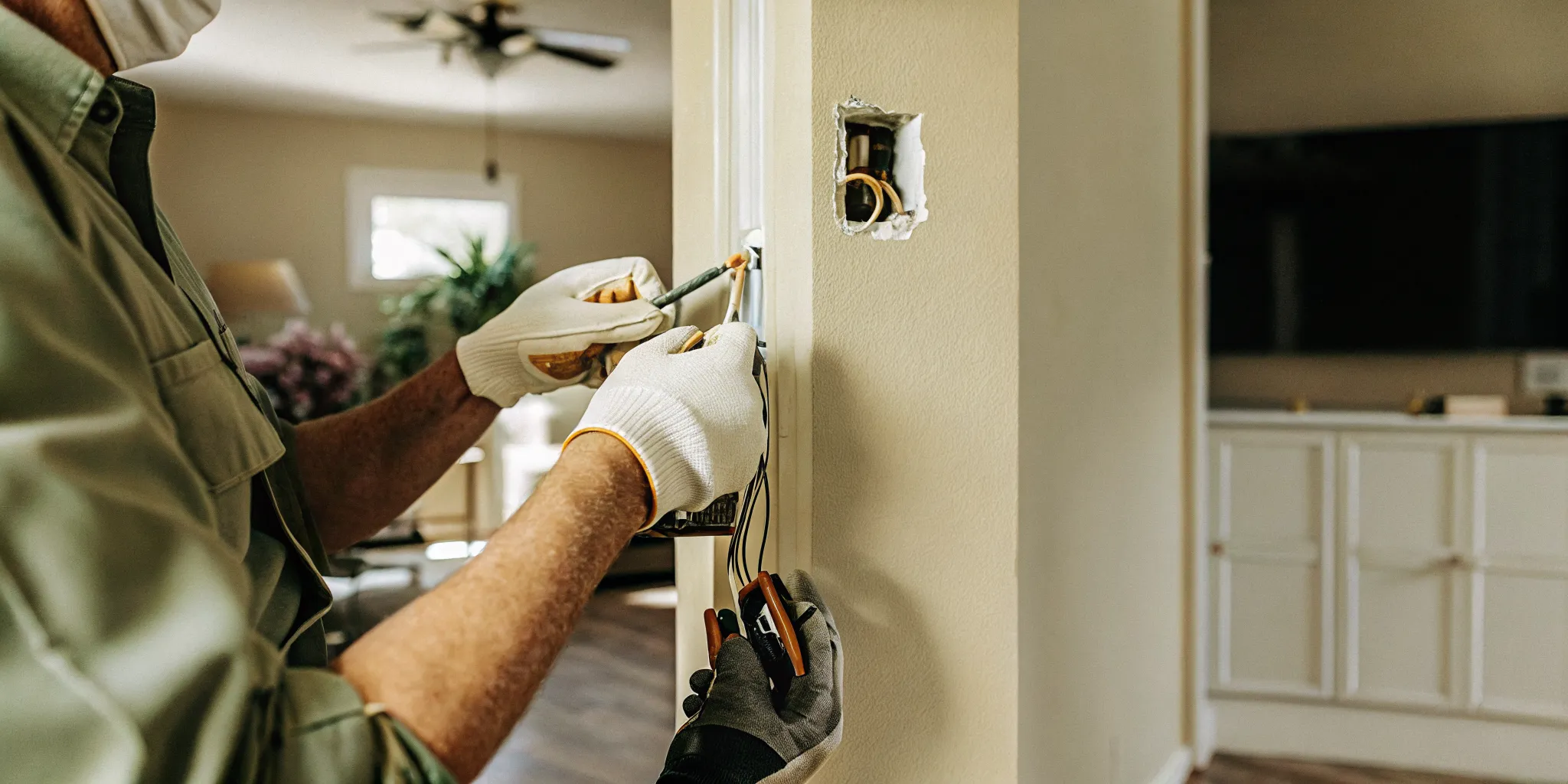
What are the repair options for aluminum wiring?
Homeowners with aluminum wiring florida homes must choose a path to stay safe. This type of wiring was common in the late 1960s and early 1970s. But it can cause fire hazards if it is not handled well. You have two main ways to fix the issue. You can either fix the ends of the wires or replace the whole system. A pro must look at your home to help you decide. They will check for heat damage and loose wires.
Fixing wire ends with approved connectors
One way to fix your home is to use special connectors. This is often called pigtailing or remediation. An electrician joins a small piece of copper wire to the end of the aluminum wire. They use a special tool and a connector to make a safe bond. This fix stops the wires from getting hot at the wall outlets. It is often less work than a full rewiring project. It focuses on the spots where fires are most likely to start.
The U.S. Consumer Product Safety Commission says that most aluminum wiring fire hazards happen at the wire connections. This includes spots like wall plugs and switches. Using approved connectors like COPALUM or AlumiConn can make these spots safe. This fix is good for people who want to save money but still want a safe home. You must make sure your electrician uses parts that meet safety codes. Not every connector you find at a hardware store is safe for this job.
Full house rewiring for long-term safety
The best way to fix the problem is to replace all the old wires. This is a big job, but it gives you the most peace of mind. An electrician removes the old aluminum and pulls new copper wire through your walls. Copper is much better at carrying power and does not expand as much as aluminum. It lasts a long time and works well with modern plugs and switches. Many people choose this path when they do a big home remodel.
Choosing house wiring and rewiring services is a smart move for your home's value. New copper wires can last for about 50 years. This fix also makes it much easier to get home insurance. In Florida, many companies will not cover a home with old aluminum wires. They want to see that you have moved to a safer system. While the cost is higher, you will not have to worry about your wiring for a long time.
| Option | What it addresses | When it may fit |
|---|---|---|
| Approved connector repair | Specific wire connections | An electrician finds the wiring can stay in service with approved repairs |
| Full rewiring | Branch-circuit wiring throughout the home | Damage is broad, upgrades are planned, or the owner wants a full replacement |
Why a professional electrical assessment is needed
You should not try to fix aluminum wiring on your own. It is a complex job that needs special tools. A professional electrical inspection is the first step. An expert can see if your wires are already failing. They look for signs like melted plastic or black marks on your outlets. They can also tell you if your insurance company will accept the fix. Only a few Florida carriers will take homes with aluminum wires.
A pro will check your main panel and all your wall plugs. They will look for solid aluminum wire, which is the most prone to failure. If they find signs of heat, they will tell you to act fast. Keeping your family safe is the key part of the job. Once the work is done, you will have a safer home and lower fire risks. You can then feel good knowing your electrical system is up to code.
Can aluminum wiring affect insurance or a home sale?
If you buy or sell a home in Florida, aluminum wiring can be a big hurdle. Many buyers and banks worry about the safety risks linked to older systems. Homes with aluminum circuits built between 1965 and 1973 are 55 times more likely to have fire risks at wire points than copper homes, per the U.S. Consumer Product Safety Commission. This safety gap often leads to strict rules during a home sale.
Home insurance hurdles in Florida
Getting home insurance for a house with aluminum wiring in Florida can be hard. Most companies see it as a high risk due to the fire threat at points like outlets and switches. Out of 17 major Florida firms, only a small group including Citizens and Progressive usually accept homes with this wire. Even then, they often need proof of house wiring and rewiring services or pro repairs before they will give you a policy.
Insurance firms usually ask for a four-point check on older homes. If the pro finds single-strand aluminum wire, your carrier might deny coverage or raise your price. They may also need you to fix the wire points with specific tools. Without proof of these fixes from a pro, you may find it very hard to get a standard policy for aluminum wiring florida homes.
Impact on home sales and value
When you sell a house, you must tell buyers about known issues like old wiring. Buyers often hire a pro for a professional electrical inspection to check for these risks. If they find aluminum wire, they may ask for a lower price to cover the cost of a full rewire. Some banks will even refuse to fund the loan until the system is made safe, which can stop a deal.
Sellers who fix these issues before they list the home often see a smoother sale. Paperwork that shows the system is safe gives buyers peace of mind. It also helps you avoid price drops during the closing. If you are not sure about your home, a pro can check your panel and outlets to see if you need circuit breaker replacement and repair or other help.
Navigating checks and disclosures
Real estate laws in Florida need sellers to be honest about the home. Aluminum wiring is a fact that can change the value of the house. If you do not mention it, you could face legal trouble later. It is always best to be clear about the wire type and any fixes you have made. This help builds trust with the buyer and keeps you safe from future claims.
Pros look for silver wires at the panel or behind outlet covers to spot aluminum. They also check for signs of heat damage, such as flickering lights or burnt plastic. If the report flags these issues, you will need a clear plan to fix them. Working with a team that knows local Florida codes is the best way to ensure your home meets both safety and insurance rules.
What happens during an aluminum wiring inspection?
A professional check for aluminum wiring florida homes focuses on finding hidden risks. A licensed expert checks the spots where fires are most likely to start. These include wall outlets, light switches, and junction boxes. Because aluminum expands and shrinks more than copper, these links can loosen over time. This loose fit causes heat to build up, which can lead to a fire.
Testing outlets and switches
During the visit, an electrician will look for signs of heat damage. They may use tools like heat cameras to find hot spots behind your walls. The Consumer Product Safety Commission notes that most hazards happen at these wire links. If a face plate feels warm or you smell burning plastic, the expert will check those areas first to see if the metal has started to fail.
Checking the main panel
The expert also looks at your main service panel. They check if the aluminum wires are properly joined to the breakers. Using the wrong parts can cause the metal to rust and overheat. If the panel is old or unsafe, they might suggest circuit breaker replacement and repair to keep your home safe. They will also look for special paste that stops rust on the wire ends.
Building a repair plan
After the check is done, you will get a full report. This plan shows which parts need help right away. It may suggest using special links or doing full house wiring and rewiring services for the best safety. Keeping these records is vital for your home insurance. Many Florida insurance firms need proof that your aluminum wiring has been checked and fixed by a pro.
Your next steps for a safer Florida home
Living in a house with aluminum wiring florida homes can feel stressful. You may worry about fire risks or home insurance costs. But you do not have to guess about the safety of your system. Taking the right steps now helps protect your family and your property value. Here is how to plan for a safer home in Port St. Lucie or the surrounding areas.
Find urgent warning signs
You must know when to act fast. Some electrical issues are clear signs of a fire hazard. Look for flickering lights or wall plates that feel hot to the touch. You might also notice the smell of burning plastic near your outlets. These signs mean your wire connections may be reaching dangerous heat levels. If you see or smell these things, you should schedule service for an emergency check right away.
Most fire hazards in these homes happen at the connections. This includes your switches, outlets, and junction boxes. Major appliances like your dishwasher or furnace can also have these risks. A federal safety study found that homes with this wiring are 55 times more likely to have fire hazard conditions at wire connections than copper-wired homes. Do not wait for a small problem to turn into a large fire.
Get a professional electrical inspection
If you do not see urgent signs, you still need a plan. A professional electrical inspection is the best way to find hidden risks. A licensed expert can check the gauge and type of your wires. They will look for solid aluminum wire. This is the type most prone to failure. It is often found in branch circuits of homes built between 1965 and 1973.
An inspector will also check your panel and breakers. They may suggest a circuit breaker replacement and repair if the system is old. This process gives you a clear map of what needs fixing. It also gives you the proof you might need for your home insurance company. Most Florida insurers want to know the exact state of your wiring before they offer a policy.
Plan for long term safety
Once you have the facts, you can choose the best fix. You do not always need a full home rewire. Some homes can use special connectors to make the system safe. However, the most reliable fix for peace of mind is often house wiring and rewiring services. This replaces the old aluminum with modern copper wire. It is the best way to ensure your home meets current safety codes.
Never try to fix this wiring on your own. Working with aluminum requires special tools and training. One wrong turn can make the risk of fire even higher. Always trust licensed electrical services to handle the work. They have the expertise to keep your Florida home safe for years to come.
Frequently Asked Questions
Is aluminum wiring in Florida homes illegal?
No, it is not against the law to have aluminum wiring in Florida homes. You do not have to pull it all out just to follow the law. But many pros and insurance firms view it as a high risk for fire. Because of this risk, your home may need a check or a fix to meet local safety rules or to get a policy. It is best to talk with a pro to see if your system is safe.
Are there different types of aluminum wiring in homes?
Yes, there are two main types of aluminum wire. The first is single-strand wire. This was used for small circuits in homes from 1965 to 1973 and carries the most risk. The second type is multi-strand wire. This is still used today for large tools and service lines. Multi-strand wire is safe when set up the right way. A professional electrical inspection can help you find out which type is in your own home.
What is the lifespan of electrical wiring in Florida homes?
Most copper wiring in Florida homes should last for about 50 years. This is per data from Snyder Air Conditioning and Plumbing. But aluminum wiring from the 1960s and 1970s may have reached the end of its safe life. Over time, the metal can expand and contract, which leads to loose joints and heat. If your home has old wires, you should have a pro check them to make sure they still work well and stay safe.
Can you get homeowners insurance for a home with aluminum wiring in Florida?
Yes, but it can be hard to find a policy. According to We Shop Insurance, only about 6 out of 17 Florida carriers usually accept homes with this wire. These firms include Citizens, Progressive, and Tower Hill. They often ask for a four-point check and proof of repairs before they will cover the house. Fixing the wire points or doing a full rewiring can help you get a better rate and keep your home safe from fire.
Ready to check your Florida home for wiring risks?
Old aluminum wires can pose a real threat to your home and your peace of mind. Over time, these wires can loosen or wear down, which often leads to heat build up or fires. In the humid Florida climate, these risks can grow even faster due to wet air and salt. Waiting to fix these issues could lead to high repair costs or the loss of your home insurance plan. Taking a small step today makes sure your electrical system meets safety codes and works without any faults. You do not have to wait for a spark or a burning smell to know there is a problem. A quick professional electrical inspection can find hidden issues before they cause real harm. Our team can help you find the best path for your house and keep your lights on safely.
Ready to check your home? Schedule Service to talk to a licensed electrician today.
Related Electrical Services
Need help with this issue? These My Electrician services are a good next step.