

Standard outdoor outlets on the Treasure Coast face a constant attack from salt spray and damp air. Installing a high-quality weatherproof GFCI outlet cover protects your home from the hidden risks caused by water.
A weatherproof GFCI outlet cover is a safety housing designed to keep water, dust, and salt air away from outdoor plugs. According to the National Electrical Code (NEC), these covers are required for all outdoor outlets to prevent shorts and fires. In Florida coastal areas like Port St. Lucie, salt air speeds up rust and damage. This can cause outlets to fail or trip often. These special covers provide a sealed space that shields the wiring from the salt and dampness of the sea breeze. Using an extra-duty rated cover ensures that your plugs remain safe even during heavy rain or high winds. By blocking water and salt, you extend the life of your home wiring and reduce the risk of shock. These covers are a key safety feature for every Florida home with outdoor power.
Schedule Service to upgrade your outdoor outlets with weatherproof GFCI covers from a licensed Treasure Coast electrician.
Staying safe outdoors means following the rules that keep water away from live wires. You must ensure your home meets the current standards for Florida weather. We will explore the rules in What the NEC Requires for Outdoor Outlet Covers, which starts with:
Weatherproof GFCI Outlet Cover: What the NEC Requires for Outdoor Outlet Covers
The National Electrical Code (NEC) sets the safety rules for home wiring in the U.S. These rules help keep your family safe from fires and shocks. When it comes to the outdoors, the code is very strict because water and power are a bad mix. The rules for outdoor outlets and their covers make sure that moisture stays away from live wires.
Mandatory GFCI rules
One of the most important rules is NEC 210.8. This rule says that all outdoor outlets at a home must have ground fault circuit interrupter (GFCI) safety parts. A GFCI outlet checks the flow of power. If the current leaks or finds a path to the ground through a person, the outlet cuts the power in a split second. This fast action can save lives by stopping a fatal shock before it happens.
Safety pros say you should test your GFCI outlet every month. You should also check it before you use power tools or lawn gear. If the outlet does not trip when you press the test button, it is broken and needs a pro to fix it. Keeping these safety parts in good shape is a key part of home care.
Wet vs damp spot covers
The NEC splits outdoor areas into two types: damp spots and wet spots. A damp spot is a place that is protected from direct rain, like a porch with a roof. A wet spot is any place that gets hit by rain, snow, or spray. NEC 406.9 states that outlets in wet spots must have a cover that is weatherproof even when a cord is plugged in. These are often called in-use covers or bubble covers.
For several code cycles, the NEC has required "extra-duty" hoods for 15-amp and 20-amp outlets in wet areas. These hoods are much stronger than the old flip-style covers. They are built to stand up to heavy rain and physical hits. In damp spots, a standard flip cover is still okay, but it only guards the outlet when nothing is plugged in. Getting the right outlet and switch installation makes sure your home stays up to code.
The code also has a rule for how the cover opens. The hinged part of the cover must be able to open at least 90 degrees. This rule makes it easier to plug in cords without breaking the cover. If a cover is cracked or will not close all the way, it no longer meets the code. You should replace any broken covers right away to keep water out of your electrical box.
Weather resistant outlet rules
Along with the cover, the outlet itself must be a special type. The NEC requires weather-resistant (WR) outlets for all outdoor spots. These outlets are made with parts that resist cold and UV rays from the sun. They also have extra guards against rust. This is very important in Florida, where the salt air can rust metal very fast. Using WR outlets helps your outdoor power stay safe for a longer time.
WR outlets look a lot like standard ones, but they have a small "WR" mark on the front. They are built to handle the damp air we see on the Treasure Coast. Standard outlets can fail or rust in just a few years if they are used outside. By using the right WR and GFCI parts, you can avoid many common power problems and keep your home safe from shorts.
Why the Treasure Coast Needs Extra Protection for Outdoor Outlets
Living on the Treasure Coast means enjoying the sun and the sea. But these same things can hurt your home. Salt air and wet weather are hard on wires and plugs. If you have plugs outside, you need a weatherproof GFCI outlet cover to keep your home safe. These covers stop water and salt from getting inside your electrical boxes.
At My Electrician, Inc., we see the effects of coastal salt air on outdoor outlets every day. Our licensed electricians serve Port St. Lucie, Fort Pierce, Stuart, Vero Beach, and Jupiter with code-compliant upgrades that protect homes from moisture damage.
Salt air and corrosion risks
The air near the coast has a lot of salt in it. This salt spray makes metal rust much faster than it does inland. Studies show that marine environments lead to quick corrosion of metal parts (NCBI). For homes in Port St. Lucie or Vero Beach, this means your outdoor plugs can fail sooner. Salt air makes the metal inside your outlets break down. This can cause loose wires or fire risks if you do not use the right protection.
Coastal areas also have high humidity. This damp air can lead to water drops forming inside your electrical boxes. Too much moisture makes your outlets trip often. Using a cover that seals well is the only way to stop this. It helps keep your wires dry even when it is very humid outside. This protection is a must for any home near the ocean.
Rules for corrosive environments
The rules for home safety match the risks in Florida. In some areas, new rules say that any spot within 300 feet of the ocean is a corrosive environment. This ruling covers all exterior spots near the water. Even homes up to 3,000 feet away from the coast face these same risks. These rules show why high-quality covers are so important for homes on the Treasure Coast.
To stay safe, you should use extra-duty covers that resist salt and sun. These heavy-duty parts last longer in our tropical climate. They are built to handle the constant spray and heat we face every day. Choosing the right parts now can save you from a costly repair later. If your covers are old or cracked, it is time to get new ones.
Storms and wind-driven rain
Florida storms bring more than just a little rain. Tropical storms often come with high winds that push water into small cracks. Standard covers might not keep this wind-driven rain out. Weatherproof covers are made to block water even when the wind is blowing hard. They help prevent electrical shorts and other hazards during a big storm.
A good cover also keeps your GFCI outlet working when you need it most. GFCIs are meant to shut off power in milliseconds if they find a leak. But if the outlet is full of salt and rust, it might not trip in time. Keeping the outlet dry and clean ensures it can save you from a shock. Make sure your outdoor spots have the best protection before the next storm hits.
In-Use Covers vs. Standard Weatherproof Covers: What Is the Difference?
Choosing a cover for your outdoor outlet depends on how you use it. Some covers protect the outlet only when nothing is in it. Others keep the outlet safe even while you run a cord. The right choice helps your home stay safe and follow local laws.
Standard weatherproof covers
A standard cover uses one or two flaps with springs. These flaps snap shut to keep out rain and dirt. But they only work when the outlet is not in use. Once you plug in a cord, the flap stays open. This leaves the outlet and the plug open to rain and wind. Because of this, standard covers are best for areas that stay mostly dry, like a porch with a deep roof.
You should not use these for things that stay plugged in all day. For example, pool pumps or lights need more cover. If you leave a cord in a standard cover during a storm, water can leak into the box. This often leads to a blown outlet and switch installation. You can see our full list of electrical services to find the best setup for your home.
In-use bubble covers
An in-use cover looks like a clear box or bubble. It has a deep hood so a cord can stay in while the door is shut. This keeps the outlet dry even in heavy rain. The CDC says to use grounded outlets for outdoor work like pressure washing to stay safe. These covers are now the rule for most outdoor spots.
The law needs them for "wet locations" where water may splash or fall. Since they shield the outlet at all times, they last much longer in salt air. They also help stop trips and shocks when you use garden tools. If you do not know which cover you have, contact My Electrician, Inc. for a quick check.
Key differences at a glance
The table below shows how these two choices compare for your home. Use this to find the best fit for your yard.
| Feature | Standard Cover | In-Use Bubble Cover |
|---|---|---|
| Protects while in use | No | Yes |
| Wet location rating | No | Yes |
| Best for | Dry porches | Decks and pools |
| Salt air life | Short | Long |
| Cost | Low | Fair |
Not sure which cover type you need? Schedule Service and let a licensed electrician from My Electrician, Inc. inspect your outdoor outlets.
What Happens When Outdoor Outlets Are Not Protected?
Leaving outdoor outlets exposed to the elements creates serious risks for your home and family. In Florida, the combination of high humidity and wind-driven rain can quickly lead to dangerous conditions. Without a weatherproof gfci outlet cover, moisture can seep into the electrical box and cause the system to fail when you need it most.
Fire hazards and short circuits
Moisture intrusion is a leading cause of short circuits in outdoor settings. When water enters an unprotected outlet, it can create a path for electricity to flow where it should not. This often leads to sparking or overheating that can start a fire. Salt air in coastal areas like Port St. Lucie further speeds up this damage by causing metal parts to rust and fail.
Corrosion from salt air often leads to the failure of electrical connections. Over time, these weakened points generate heat, which can melt wire insulation or the outlet itself. This degradation happens much faster in Florida than in drier states, making regular checks and proper covers a vital part of home safety.
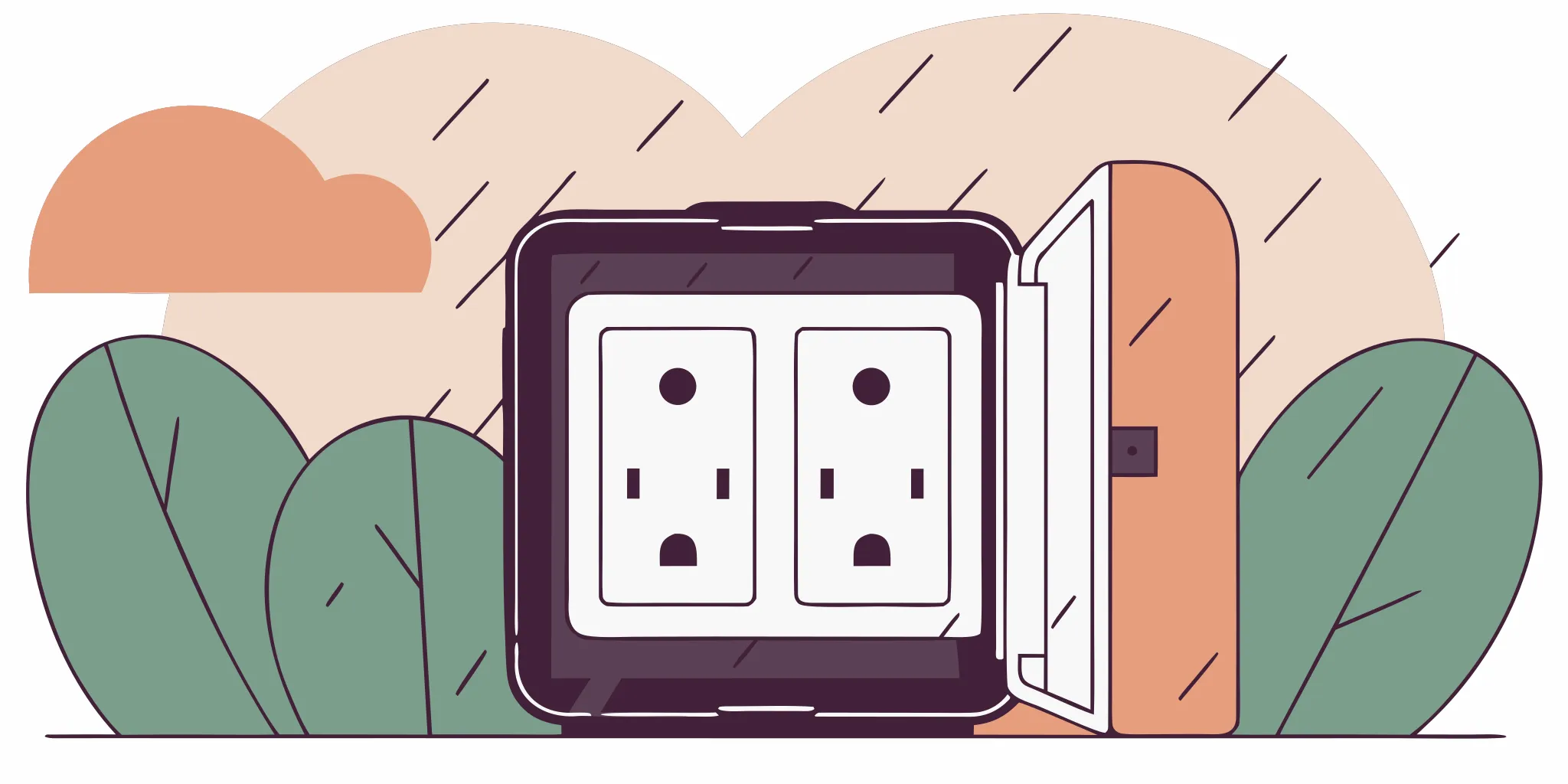
Shock risks and moisture issues
The primary job of a GFCI outlet is to prevent electrical shock in outdoor settings, especially near water. If an outlet lacks a proper cover, water can create a "ground fault" that puts anyone touching the device at risk. According to the CDC, you must always test the ground fault circuit interrupter before using power tools or pressure washers outside. This safety device can stop the flow of power in milliseconds to save lives.
Proper grounding is also required for all outdoor electrical receptacles to ensure safe operation. When moisture bypasses a weak cover, it can bridge the gap between live wires and the metal box or ground wire. This often results in "nuisance tripping," where the outlet shuts off constantly. While annoying, this is a sign that your electrical system is struggling to stay safe under wet conditions.
Emergency calls and liability
Outdoor electrical hazards are a frequent cause of emergency service calls for local homeowners. A sudden power loss to your outdoor lights or pool pump is often the result of water getting into an unprotected outlet. These issues rarely happen at a good time and can lead to costly repairs if the damage spreads to your main electrical panel.
Failing to use a proper weatherproof gfci outlet cover can also lead to insurance or liability problems. If an electrical fire or injury occurs due to a code violation, your insurance provider might deny your claim. Keeping your outdoor outlets up to code with "in-use" covers helps protect your property value and provides peace of mind during Florida's frequent storms.
How To Check if Your Outdoor Outlets Meet Current Code
You should check your outdoor outlets often to keep your home safe. Florida storms and salt air can damage these parts over time. If your outlets do not meet the current code, they might cause a fire or a shock. Finding these issues now helps you fix them before a big problem starts.
Steps for a Quick Safety Check
You can do a basic check on your own without any special tools. Use these steps to see if your home is up to date with modern safety rules.
- Check the outlet face for test and reset buttons. These buttons show the outlet has a ground fault circuit interrupter to stop power if a leak occurs.
- Look for a "WR" mark printed on the front of the outlet. This means the device is weather resistant and can handle the humid Florida climate.
- See if you have a weatherproof GFCI outlet cover that closes while things are plugged in. These bubble-shaped covers keep rain out even when you are using the outlet.
- Search for any signs of rust, green corrosion, or cracks on the box. Damage to the box lets water reach the wires and can cause a short circuit.
- Press the test button on the outlet to make sure it trips. You should test the ground fault circuit interrupter every time before you use power tools outside.
Code Rules for Wet Locations
The electrical code has strict rules for any outlet in a wet area. One major rule is the use of an in-use cover for 15-amp and 20-amp outlets. These covers are also called bubble covers or hoods. They are needed because they stay weatherproof even when a cord is plugged into the socket.
Old flip-style covers only work when nothing is plugged in. If it rains while you have a light or tool plugged in, water can get inside a flip cover. Modern bubble covers solve this by giving a seal at all times. This setup prevents moisture from reaching the live parts of the outlet while you work or use lights.
It is also vital to have a weather-resistant outlet inside the box. These devices have a WR stamp to show they use better materials. They resist rust and sun damage much better than standard indoor outlets. If your outlet lacks this mark or a proper cover, it is time for an upgrade. You can reach out for expert outlet and switch installation to bring your home back to code.
Safety is the top goal for these electrical rules. A proper cover stops water from tripping your breaker during every rain storm. It also keeps kids and pets safe from exposed wires or wet plugs. Taking the time to check your yard today can save you from an urgent repair later.
Signs Your Outdoor Outlets Need an Upgrade
Outdoor electrical outlets face tough conditions on the Florida coast. Between the heavy rain and the salt air, these parts can wear out fast. You should check your outlets often to keep your home safe. If you see signs of wear, it is time to call a pro. A failing outlet can lead to a fire or a shock. My Electrician, Inc. offers 24/7 emergency service to handle these risks before they cause real harm.
Check for visible damage
Start by looking at the cover. A missing or cracked cover is a big red flag. The cover must seal tight to keep water away from the wires. In Port St. Lucie, wind-driven rain can push moisture into even the smallest gaps. If the cover does not sit flush against the wall, it cannot do its job. Salt air also makes things worse. It causes weather-rated outdoor components to rust and break down over time. You might see green or white crust on the outlet ports. This means the metal parts are corroding and the link is getting weak.
Older outlets often have simple flip lids. These only protect the outlet when nothing is plugged in. If you use your outlet for a pool pump or holiday lights, these covers fail. Modern rules now require weatherproof GFCI outlet covers that stay closed while in use. These "bubble" covers give a safe shield for your plugs even during a storm.
Watch for functional failures
Pay close attention to how the outlet works. Does the GFCI button trip all the time? If the outlet will not reset, it likely has a fault inside. You should also feel the outlet plate. It should never feel warm to the touch. Heat is a sign of loose wires or a bad load. These issues are common in older homes that still have outlets from a past era. Upgrading to new, code-compliant gear is the best way to reduce the risk of shock in wet areas.
If you hear a buzzing sound, stop using the outlet right away. This often means power is jumping between wires. This "arcing" can start a fire inside your walls. We use tough parts that fit the unique needs of a coastal home. Our team makes sure your new outlets meet the latest safety rules to give you peace of mind.
Consider the age of your system
Electrical codes change often to keep people safe. If your home is more than ten years old, your outdoor outlets might be out of date. Systems built before 2008 often lack the "extra-duty" covers now required by law. These older covers are thin and break easily in the Florida sun. New covers are built to take a hit and keep the rain out.
You may also have outlets that are not GFCI-protected. This is a major safety risk near pools or gardens. A GFCI outlet cuts power in a split second if it senses a leak. This fast action saves lives by stopping fatal shocks. Our licensed pros can check your system and set up the right outlet and switch installation for your needs. We provide flat-rate pricing so you know the cost before we start any work.
Don't wait until a storm exposes a weak outlet. Schedule Service with My Electrician, Inc. today for a full outdoor outlet inspection.
Frequently Asked Questions
Do outdoor outlets need to be GFCI if they have a weatherproof cover?
Yes. A weatherproof cover keeps water out, but it does not stop power shocks. The National Electrical Code says all outdoor outlets at homes must have GFCI safety. A GFCI tool tracks power flow and shuts off the circuit very fast if it finds a leak. This quick response helps stop fatal shocks. Even with a good weatherproof box, the outlet itself must have safety parts to meet local codes and keep you safe.
What is the difference between a standard weatherproof cover and an in-use cover?
Standard covers only protect the outlet when nothing is plugged in. You must open the flip lid to use the power, which leaves the outlet open to rain. An in-use cover, or bubble cover, has a large hood. This design lets you keep a cord plugged in while the lid stays shut. As stated by the NEC, you must use these hoods in wet areas. They provide a steady seal against water and salt air even during use.
How often should I test my outdoor GFCI outlets in Florida?
In Florida, you should test your outdoor GFCI outlets at least once a month. The salt air and wet air in areas like Port St. Lucie can make parts rust or fail fast. Press the test button on the outlet to make sure it trips. Then press reset to bring back power. The CDC also says to test the tool every time before you use a power tool or pressure washer outside.
Why do I need a weather-resistant outlet if the cover is weatherproof?
A weather-resistant outlet has inside parts built to stop rust and cold. While the cover blocks most rain, salt spray can still reach the outlet over time. Using a WR-rated outlet adds a second layer of safety. These outlets use high-grade plastics and metal parts that do not rust easily. Using a WR outlet with a sealed cover is the best way to prevent shorts in coastal Florida areas where the air is very salty.
Ready to Upgrade Your Outdoor Outlets and Protect Your Home?
Not fixing yard outlets in Port St. Lucie salt air is a risk that can lead to rust, fire, or a shock for your folks. Coastal dampness eats away at standard covers and parts, which can cause your GFCI to fail when you need it most to protect your home. If you wait until a part fails or starts to smoke, you may face a much larger and more costly repair than you would today. Our team at My Electrician, Inc. can schedule a visit to set up new, code-safe covers that keep your home safe and help you rest easy.
Ready to upgrade? Call (877) 762-7483 to Schedule Service for outdoor outlet upgrades today.