
Electrical Inspection Frequency: When to Schedule
By My Electrician, Inc.

Ignoring a flickering light today can lead to a house fire or a complete system failure tomorrow. A hidden wire spark or an overloaded circuit often stays silent until it causes real damage. Most homeowners wait for a burning smell before calling an electrician, but safety starts with the right electrical inspection frequency.
Schedule Service with My Electrician, Inc. for a professional electrical safety inspection.
The electrical inspection frequency for a safe home depends on the age of the property and any recent changes you have made to the system. Modern homes with no clear issues usually need a professional check every 3 to 5 years according to Faithful Connections Electric. However, older homes built over 20 years ago often require more frequent checkups to find hidden hazards like outdated wiring or overloaded circuits in the walls. These regular safety reviews prevent fire risks and help you save money; they also ensure your Florida property stays safe while avoiding expensive and sudden urgent repairs. Following a set upkeep schedule is the best way to keep your family or business safe from power failures and ensure your property meets all codes.
Knowing when to call a licensed electrician can help prevent a dangerous situation or costly repair. The right schedule depends on your property's age, condition, use, and recent changes. The guide below explains when a routine check makes sense and which warning signs require prompt service.
Recommended electrical inspection frequency
How often to check your house
A safe home starts with a strong power system. You should check your wires and outlets often to stop fires and keep things running well. Most experts suggest a set electrical inspection frequency based on how old your house is. If you live in a new place built in the last ten years, you may not need checks as often. But for most modern homes, a full checkup every three to five years works best. This helps find small issues before they become big, costly problems.
Older homes need more care to stay safe. If your house is more than 20 years old, you should request an electrical safety check. You should do this about every three years. Old wires can wear out or fail over time. A pro can find outdated parts that do not meet today's safety rules. These checks also help you find ways to use less power. A well-run system can help you save money on your monthly bills by fixing slow or weak parts.
Regular checks ensure that your home meets the latest safety rules. These rules change over time to keep up with new tech and tools. An electrician can tell you if your outlets are safe for the loads you use today. Many people now use more tech, like home offices or EV chargers, which puts more stress on old wires. Checking your system every few years makes sure it can handle your daily life without any risk.
When you need a quick checkup
Some events change how often you should call a pro. You should always get a checkup before you buy a new house. This helps you find hidden risks before you move in. You should also get an inspection after you finish big home projects. Moving walls or adding rooms can change how power flows in your home. Also, call for help after big storms or if you see lights flicker. These signs show your system may need a quick fix to stay safe.
Signs of electrical trouble
Sometimes you should not wait for your next set checkup. Your home often gives signs when the power system has a problem. If you hear a buzzing sound near your walls or panel, call an electrician right away. You should also watch for lights that dim or pop for no clear reason. Frequent trips in your breaker box are another big warning sign. These issues can mean your wires are hot or loose, which could lead to a fire. Fast action keeps your family and your house safe from harm.
| Property Condition | Suggested Frequency | Primary Goal |
|---|---|---|
| Newer Home (0-10 years) | Every 5 years | Check safety rules |
| Modern Home (10-20 years) | Every 3-5 years | Prevent fire risks |
| Older Home (20+ years) | Every 3 years | Find outdated wiring |
| Real Estate Purchase | Before buying | Find hidden hazards |
| Major Home Project | After project | Verify new wiring |
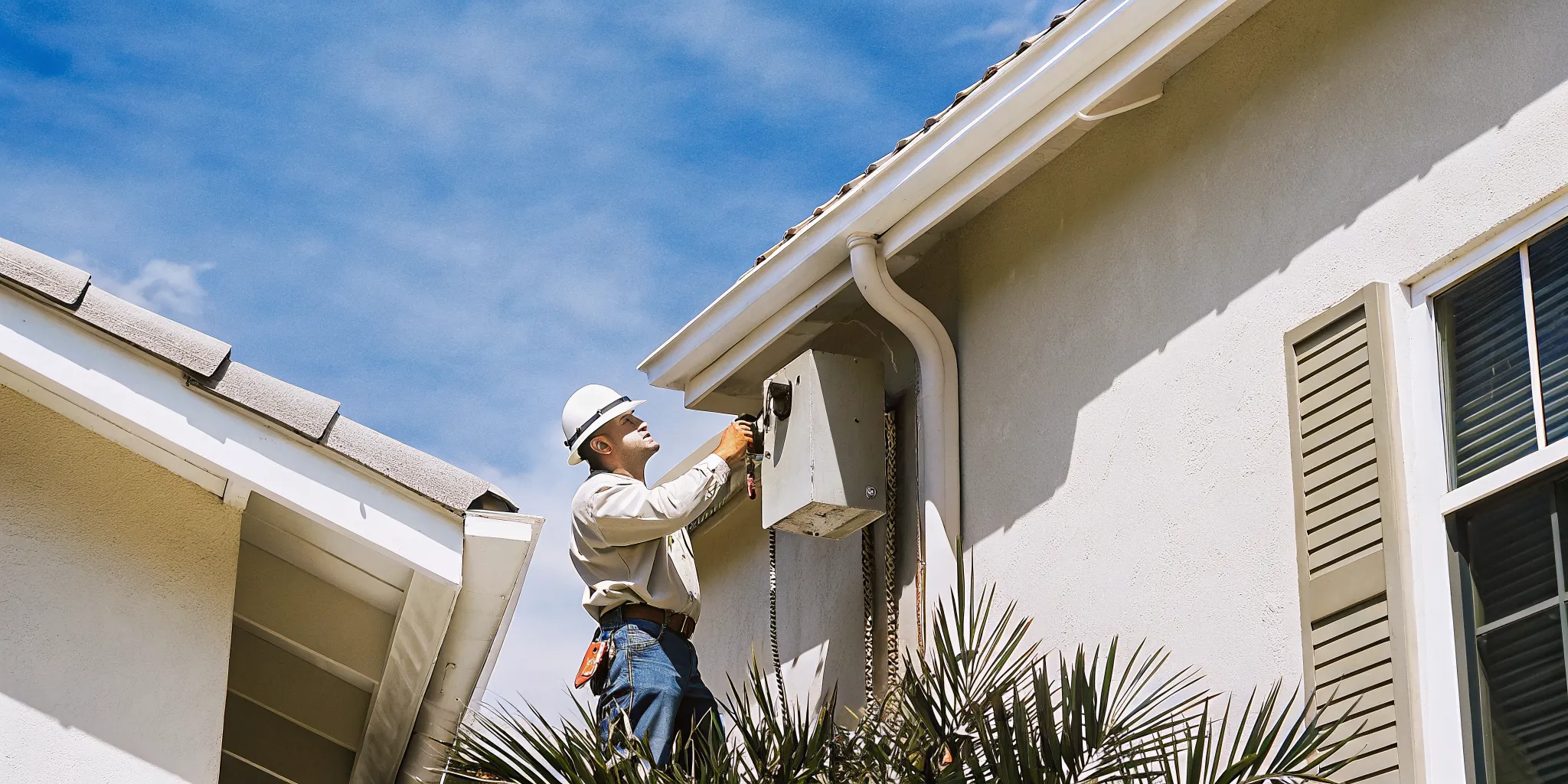
How does your home's age change the schedule?
The age of your house plays a big role in its safety. New homes usually have wiring that meets current safety rules. If your home was built in the last ten years, you likely need fewer checks. But older homes in Port St. Lucie and Vero Beach often have systems that show their age. Wear and tear can lead to loose wires or broken parts over time. This is why the best electrical inspection frequency for older homes is more often than for new ones. You should not wait for a problem to happen before you call a pro.
The three-year rule for older homes
If your home was built more than 20 years ago, you should have it checked about every three years. Older wiring may not be able to handle the power needs of modern tools and large screens. This can cause the wires to get too hot. Heat is a main cause of house fires. An expert check can find these weak spots early. Using an expert helps prevent fire risks and keeps your family safe. Many older homes also have old wire types that are now known to be risky. An electrician can tell you if your home has these old parts.
Safety after DIY projects and additions
Many older homes in the Treasure Coast area have had changes made by past owners. Some people try to save money by doing their own electrical work. While some small jobs are fine, home wiring is very complex. Past owners may have added new outlets or lights without following the rules. These changes can alter the way the whole system works. It is a good idea to have your wiring professionally inspected after any major home changes. This check makes sure that new rooms or tools do not put too much stress on your old panel. It also helps find work that was not done the right way.
When to check your electrical panel
Your electrical panel is the heart of your home's power system. In an old house, the panel may be an old brand that is no longer seen as safe. It might also have too many wires plugged into one switch. This can lead to frequent trips or even smoke. If you see flickering lights or hear a buzzing sound, your panel may need help. You should review your electrical panel by having it checked by a pro. A quick check can find loose links that cause heat. This helps keep your home running well and avoids costly repairs later.
Modern codes and safety standards
Electrical rules change every few years to keep people safe. A house built forty years ago was made for a different time. Back then, people did not use as much power as we do today. Modern codes now require things like special outlets in kitchens and baths. These tools shut off the power if they sense a leak. If your home is old, it might not have these safety parts. Regular checks make sure your home stays up to date with new laws. This is vital if you plan to sell your home soon. A safe home has more value and is easier to sell to new buyers.
When should you schedule an inspection right away?
Most experts suggest a check every three to five years. But life events often change your arrange a complete system inspection needs. Some moments need a pro to look at your wires right now to keep your home safe. Waiting too long can lead to fire risks or costly fixes later. You should act fast when big changes happen to your property or its power load.
Buying or selling a home
You should always get an inspection before you buy a new house. This step helps you find hidden risks like old wiring or bad panels. A deep look at the system ensures the home is safe and follows current codes. This fact is key for anyone looking to identify dangerous electrical system issues before they sign a contract. If you are selling, a clean report can help your home sell fast and for more money.
Major home renovations
Adding a room or fixing up a kitchen changes how your home uses power. New walls and lights often mean new wires and circuits. You should check the system once the work is done to make sure it is safe. This check confirms your new layout meets local rules and keeps the whole house stable. Large renovations have the potential to change how your power flows, so a pro check is a smart move.
Storm or water damage
Heavy storms and floods are common in Florida and can hurt your home. Water inside your walls or near your outlets is a huge safety threat. If your home has water damage, do not turn the power back on until a pro clears it. High winds can also shake wires loose or harm the main line. You should request electrical repair service after any big storm hits your neighborhood.
Warning signs and recurring issues
Small problems often point to bigger risks hidden in your walls. If your lights flicker when the AC kicks on, your system might be weak. Buzzing sounds from the walls or a panel that feels hot are major red flags. You should also watch for breakers that trip over and over again. These signs mean your electrical panel is safe only if a pro checks it out. Acting on these signs early can stop a small glitch from turning into a fire.
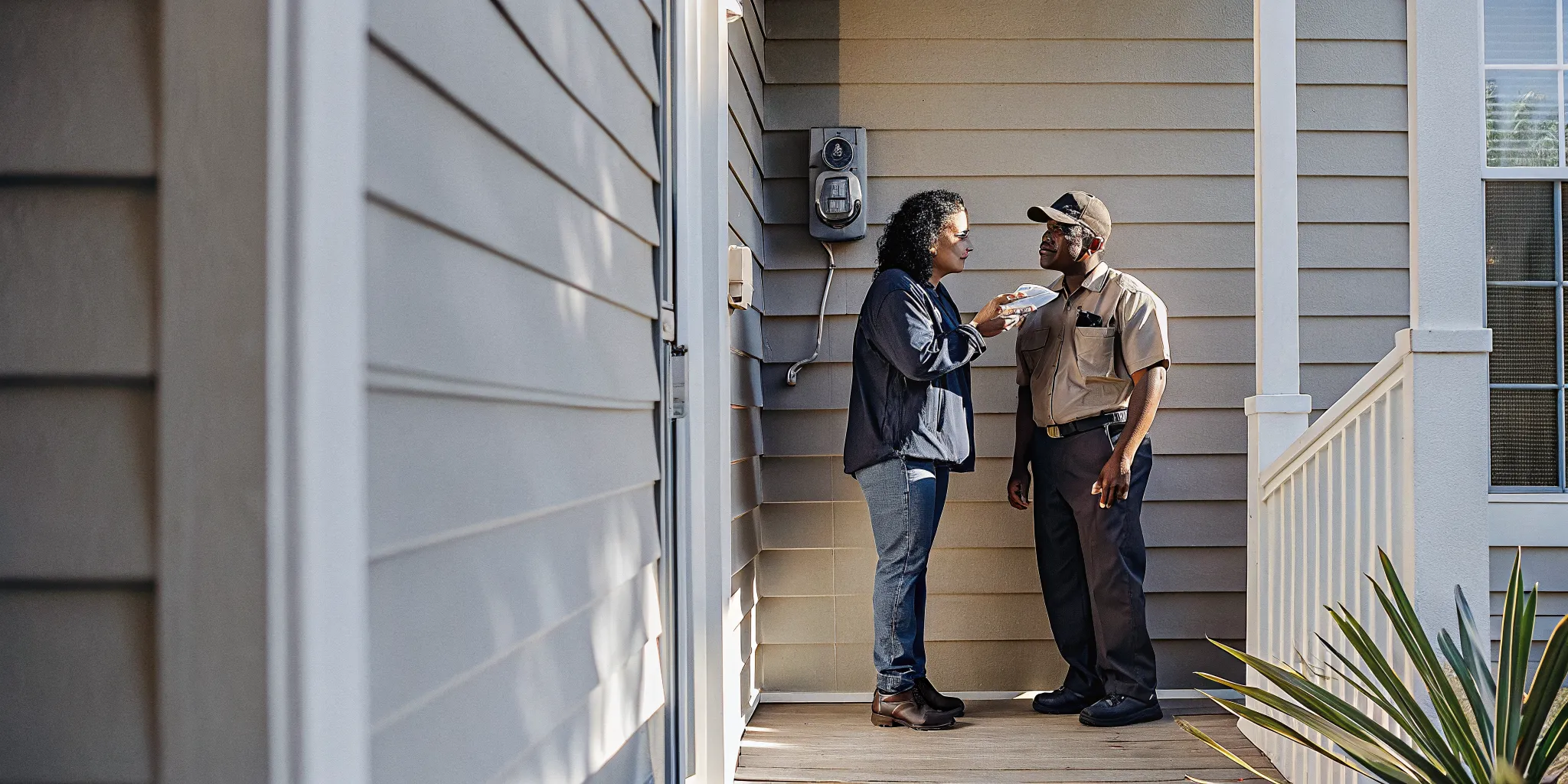
What happens during an electrical inspection?
A professional electrical inspection is more than just a quick check. It is a full look at how power moves through your home. Licensed experts use this time to find hidden risks before they lead to big issues. By knowing the right electrical inspection frequency for your house, you can keep your family safe and your lights on.
Testing the main panel
The main panel is the heart of your home's power. An expert will check the panel for heat, rust, or loose wires. They also look at each breaker to make sure they trip well when needed. This helps ensure your electrical panel is safe and can handle the load from all your gear.
Checking safety devices
Your home has special tools to stop shocks and fires. These include GFCI and AFCI outlets. An inspector tests these to see if they cut power fast in a surge. They also check your smoke alarms to make sure they have power and work. These steps are a key part of how mechanics identify potential hazards in your system.
- Panel review: We check the main box and breakers for wear or signs of heat damage.
- Grounding test: We make sure your system has a safe path to the ground for extra power.
- Circuit check: We test your home's circuits to see if they are overloaded or failing.
- Outlet check: We look for loose plugs or burnt marks on your wall outlets.
- Safety tools: We test GFCIs and smoke alarms to ensure they protect you during a crisis.
- Visible wires: We scan wires in your attic or garage for cracks or pest damage.
Scanning visible wires
Inspectors look at the wires they can see in your attic or crawl space. They check for old cover parts that might be dry or cracked. They also look for signs that mice or pests have chewed on the lines. Finding these small issues early can help you identify when you need electrical repairs before a fire starts.
Which warning signs should never wait?
Most home safety issues start small. But your wires, outlets, and panel give clear hints before a major failure. If you spot these signs, do not wait for your next schedule an electrical inspection to stay safe. Quick action can stop a fire or costly repair.
Strange smells and sounds
A burning odor near an outlet or switch is a top red flag. It often means wires are melting or plastic parts are too hot. You may also hear a buzzing or humming sound inside your walls. These sounds often point to loose wires or a failing breaker. Do not ignore these hints, as they can lead to sparks or a house fire.
Flickering lights and power trips
Does your power cut out when you run the microwave? If your circuit breaker trips often, your system is likely overloaded. Lights that dim or flicker can also show that your wiring cannot handle the load. These issues mean you need to identify when you need electrical repairs to keep your home running. A steady electrical inspection frequency of every three to five years helps find these flaws early.
Hot outlets and shocks
Your outlets and switch plates should always stay cool to the touch. If they feel warm or look discolored, stop using them right away. This heat shows that power is not flowing as it should. You should also take note if you feel a small shock when you plug in a tool. These shocks show a lack of grounding, which is a big safety risk. According to the Coyne College, a pro check before you buy a home or after a storm can find these hidden dangers.
Emergency help when it matters
Some electrical problems are too big for a standard service call. If you see sparks or smell smoke, turn off your main power at the panel if it is safe. Our team provides 24/7 help to keep families in Port St. Lucie safe during a crisis. We can help you ensure your electrical panel is safe and ready for daily use.
Do businesses and rental properties need inspections more often?
Commercial buildings and rental units often face more wear and tear than private homes. High traffic, heavy equipment use, and frequent tenant changes can put a strain on any electrical system. For these reasons, many owners choose a more frequent electrical inspection frequency to ensure safety and code compliance. Regular checks help find small issues before they lead to costly downtime or hazards.
High demand and heavy use
Businesses often run large machines, complex lighting systems, and many computers at once. This constant high load can cause parts to wear out faster than they would in a house. Keeping up with a tight checkup schedule is the best way to identify when you need electrical repairs for your shop or office. Expert technicians can spot signs of heat damage or loose wires that might not be visible during daily work.
Tenant turnover in rental units
Rental properties see a lot of change as people move in and out. Each new tenant might use the space differently, which can stress the wiring in new ways. It is a smart move to have an electrician check the unit between leases. This ensures the next person moves into a safe space and helps you maintain good records for your insurance company. Schools and local colleges also suggest regular checks to keep people safe from hidden hazards (Coyne College).
Documentation and insurance needs
Most insurers and local authorities have strict rules for commercial spaces. You may need to show proof of a recent inspection to keep your policy active or to pass a fire safety check. Professional mechanics are trained to find these risks early (North Carolina Wesleyan University). Keeping a clear log of every visit can also protect you if a claim ever arises. To keep your commercial space up to code, you can schedule a professional electrical inspection today.
Frequently Asked Questions
Will a professional electrical inspection help lower my monthly power bills?
Yes, a thorough check can find parts of your system that waste energy. When your wires and tools work well, they use less power. According to Coyne College, finding these weak spots can lead to a smaller bill each month. An expert can show you which parts are costing you extra money and help you fix them to save on energy costs.
What specialized tools do electricians use to find hidden safety issues?
Experts use high-tech tools to see things that the human eye cannot catch. At My Electrician, Inc., our team uses gear like infrared cameras and circuit analyzers to find hot spots or loose wires behind your walls. These tools help us spot risks without having to tear into your drywall. This way, we can make sure that your home or office is safe and meets all current codes without making a big mess.
Should I schedule an electrical inspection before selling my home?
It is a smart move to have a pro check your system before you list your house. A clean report shows buyers that your home is safe and up to date. This can help you sell faster and avoid surprises during the closing process. As stated by the experts, catching unsafe issues early makes sure that the buyer feels good about the place they are looking to buy.
How often should businesses in Florida have their electrical systems checked?
Most business buildings need more frequent checks than houses because they use more power. While homes may wait three to five years, busy offices or shops should call a pro more often to stay safe. Factors like the age of the building and the type of work done inside play a big role. It is best to talk with a licensed team to set a plan that keeps your staff and gear safe.
Ready to schedule your home electrical inspection?
Hidden wiring flaws often stay secret until they cause a fire or break your large gear and costly home tech. Waiting for a sign of trouble is a major risk that leads to high costs and house damage that your plan may not pay for. When you schedule an electrical inspection now, you gain peace of mind knowing your wires are safe and meet all the latest safety rules. Finding these small flaws today will save you a lot of stress and cash while keeping your loved ones and home safe from harm. You will feel better knowing your home is safe and that your loved ones are protected from hidden wiring fires. Our expert team is ready to help you now so you can stop the worry over your home power system and focus on life.
Ready to protect your home? Schedule Service with My Electrician, Inc.
Related Electrical Services
Need help with this issue? These My Electrician services are a good next step.