
Electrician Install Ceiling Fan Without Existing Wiring?
By My Electrician, Inc.

Can an Electrician Install a Ceiling Fan Without Existing Wiring?
A bedroom without a ceiling fan can feel like a humid trap during a Florida summer. Even when the ceiling lacks an electrical box, a licensed electrician can create a safe power path and secure mounting point.
Schedule Service for a ceiling fan installation estimate.
An electrician install ceiling fan without existing wiring project involves running new electrical cables from your circuit breaker panel to the desired ceiling location. This process involves installing a fan-rated electrical box that can support the weight and shaking of a moving unit, which is a critical safety rule. According to the National Electrical Code, standard lighting boxes are often not strong enough for the 50 pounds or more that many fans weigh. A licensed expert will move through your attic or use the correct tools to fish wires through your walls without causing major damage to your drywall. They also ensure the new fan has a dedicated circuit if necessary to prevent overloads. This expert service guarantees that your new fixture is stable, safe, and ready to provide years of reliable cooling.
Electrician Install Ceiling Fan Without Existing Wiring: Yes, an electrician can install a ceiling fan without existing wiring
You do not need an old light fixture to add a new fan to your home. A licensed electrician can set up a ceiling fan in any room you choose. This is true even if there are no wires in the ceiling right now. Many people in Port St. Lucie do this in rooms that only use floor lamps. While it is more work than a simple swap, it is a great way to stay cool. You can trust our team for professional ceiling fan installation that keeps your home safe and pleasant.
Creating a new electrical path
To start, a pro must run a new set of wires to the spot on the ceiling. They often pull these wires from your main panel or a nearby power source. This is a common part of a home upgrade. A new circuit helps keep your home safe from power overloads. For general home wiring, pros use a specific wire size, such as a #12 conductor, to meet state codes. This path provides a steady flow of power so your fan runs well and does not trip a breaker.
An expert will plan the best route for the new wires. They try to use existing gaps in your attic or walls to save time. This part of the job requires skill to avoid hitting other lines. By running a dedicated line, the pro makes sure the fan does not dim your lights. This keeps your home power system steady and long-lasting. It is a smart move for any older Florida home.
The importance of a fan-rated box
You cannot just hang a fan from a standard light box. Fans are heavy and move a lot while they spin. This shaking can pull a light box right out of the ceiling over time. A pro will install a fan-rated box that can hold the weight. These boxes attach to the wood beams in your ceiling for extra strength. We check your ceiling to see if it can support the fan before we start. A fan-rated box is a must-have for safety. It ensures the fan stays in place even at high speeds.
If the spot you want does not have a beam, we can add a brace. This brace spans the gap between two beams to provide a solid base. This is part of why the job is more complex than a basic fixture change. We use the right parts to make sure your fan is quiet and safe. You will not have to worry about wobbles or weird noises. Our pros make sure every part is tight and right from the start.
Controls and final steps
Once the wires and box are in place, you need a way to turn the fan on. You can choose a wall switch or use a remote control. A remote is often easier if you do not want to cut into your walls for a new switch. This process adds to the ceiling fan installation complexity. But a pro can often finish the job with very few holes in your drywall. This means you get a new fan without a messy repair job after the work is done.
The final steps include testing the motor and balancing the blades. We make sure the fan is balanced so it does not shake. We also check the wall switch or remote to make sure it works. A licensed pro will also check that the whole job meets local building codes. Once we finish, you can enjoy a cool breeze in a room that used to be hot. It is a fast and easy way to improve your home.
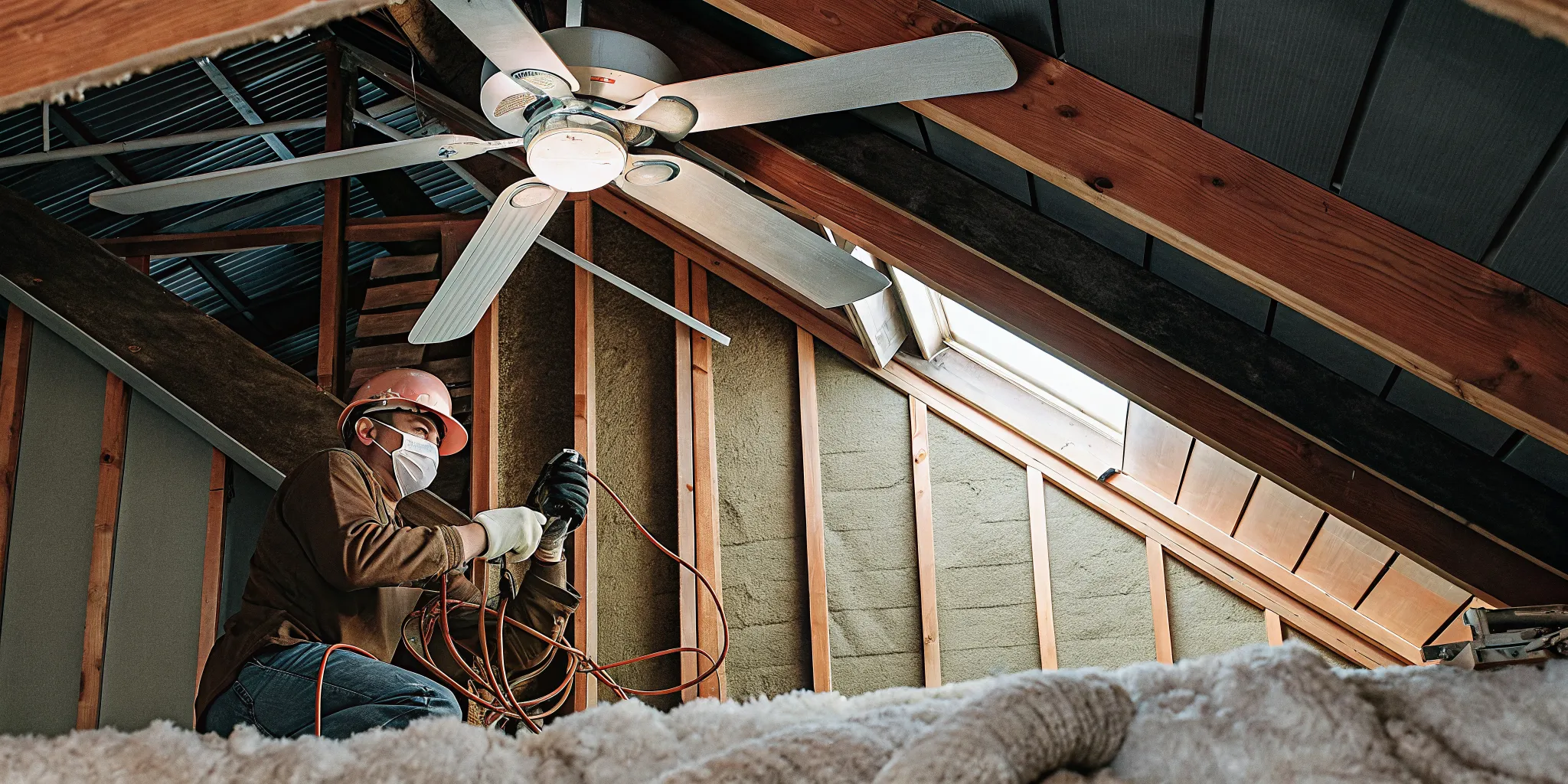
How an electrician adds a fan where no wiring exists
When you want to add a breeze to a room with no power in the ceiling, the job goes beyond simple assembly. An expert must plan a path for power, secure the unit, and ensure the system meets local safety rules. This work involves high-voltage lines and structural choices that affect your home's safety.
Power assessment and planning
The first step is to find the best power source. A pro will look for a nearby circuit with enough capacity to handle the new load. In many cases, adding a ceiling fan where no wiring exists means running a new circuit installation from the main panel. This prevents the fan from overloading your existing lights or outlets.
Planning the wire path is also vital. Pros try to run lines through the attic or crawl space to keep the work clean. They often use tools to fish wire behind the drywall. This lets them perform the job without cutting large holes in your walls or ceiling.
The professional installation process
Adding a fan requires a specific set of steps to ensure it stays quiet and secure for years. Every part of the process must follow the National Electrical Code to protect your home. Here is how a licensed pro handles the task:
- Cut the opening and mount the box: The pro cuts a small hole in the ceiling and installs a fan-rated support box. These boxes are much stronger than a standard light box. They can hold the weight and motion of a spinning fan without loosening over time.
- Run the new wiring: A licensed expert fishes a new electrical line from the power source to the ceiling hole. They use a standard #12 gauge wire for most home branch circuits to ensure the system stays stable.
- Connect the fan and controls: Once the power is at the box, the pro wires the fan motor and light kit. They also set up the wall switch or remote. This stage ensures you have full control over the fan speed and light levels.
- Test and balance: The final step is to check the work. The pro turns the power back on and tests all speeds. They may true the blades or adjust the brackets to stop any wobbles or noise.
Why expert help matters
Choosing professional ceiling fan installation gives you peace of mind. A licensed pro ensures the support box is rated for the fan's weight and that all wiring is safe. This prevents risks like electrical fires or a falling fixture. Most pros also offer a warranty on their work, which adds a layer of protection that DIY jobs lack.
What affects the scope of a new ceiling fan installation?
Planning for professional ceiling fan installation starts with a site check. The scope changes based on your home's age and layout. When an electrician install ceiling fan without existing wiring, they must look at more than just the fan. They check how to reach the panel and where to mount the box.
Structural support and box ratings
Safety is the first goal for any install a ceiling fan job. Fans are heavy and they move. This movement creates stress that a standard light box cannot handle. A fan-rated box is a must to keep the unit from coming loose. Many are rated for up to 70 pounds, but you must check the label for the limit (Parrot Uncle).
Some homes need more support. If the joists are far apart, a pro will add a brace. This metal bar spans the gap between wood beams. It gives the box a solid place to rest. Standard octagon boxes for light fixtures are not built for this work (Pacific Lutheran University).
Wiring and circuit needs
New fans need power. To add one where no wire exists, a pro runs a new line. They often use #12 wire for interior work (Pacific Lutheran University). This helps keep the home safe and up to code. They must also plan the path from the electrical panel to the ceiling.
Large fans may need their own circuit. This stops the fan from tripping breakers when other lights are on. It also protects other items in the room. A pro will check if your current panel can handle the new load. They may suggest a house wiring and rewiring check for older homes.
Ceiling and room factors
Room size and ceiling height change the plan. High ceilings need long rods and taller ladders. The fan size must fit the room to move air well. Attic access is also a big factor. If a pro can walk in the attic, the job is easier. Without attic access, they may need to cut small holes in the wall to fish wires.
| Factor. | Low Scope Impact. | High Scope Impact. |
|---|---|---|
| Attic Access. | Full walk-in access. | No access or vaulted. |
| Circuit Load. | Existing capacity. | Needs new dedicated circuit. |
| Ceiling Height. | Standard 8-9 feet. | Over 12 feet. |
| Box Mounting. | Direct to joist. | Needs retrofit brace. |
How much time and work should homeowners expect?
When you want an electrician to install a ceiling fan without existing wiring, the job is hard. It is not just about mounting the fan to the ceiling. The team must create a new electrical path from your main panel to the room. This work needs pro tools and a deep knowledge of home wiring systems.
Most simple fan swaps take about an hour. But a full install without wires can take four to six hours. The total time depends on the layout of your home. It also depends on how easy it is to reach the ceiling space. If you have questions, you can learn more about ceiling fan installation complexity to set the right goals.
Things that change the project timeline
The biggest factor is attic access. If there is an open crawl space above the room, the job moves fast. An electrician can walk through the attic to pull new wires. They will run a line from the breaker panel or a nearby box to the new fan spot. This method keeps the work clean and quick.
Things get harder if you have a second floor above the room. In these cases, the team must fish wires through the floor joists. This often needs small holes in the drywall to guide the cable. Our team uses pro tools to limit the number of holes. We aim to keep your home tidy while we set up a safe power supply.
The distance between the fan and the panel also matters. A long run across a large house takes more effort. Each turn and corner adds work for the crew. They must follow strict rules, such as using the correct minimum size conductor for the new circuit. These steps ensure your new fan does not stress your home's electrical system.
What sets the total workload and cost
Adding a new wall switch is a key part of the work. Since there is no wiring, there is likely no switch. The electrician must cut a hole in the wall and run wires down from the ceiling. They will install a new box and connect it to the fan and the power source. This ensures you can control the light and fan speed with ease.
The type of mounting box used also impacts the task. A normal light box cannot hold the weight and shake of a moving fan. We install heavy-duty, fan-rated boxes that meet all safety codes. These boxes are fixed to the ceiling joists to prevent the fan from shaking. This focus on safety is why people trust our professional ceiling fan installation team.
Price is a top concern for many people. We offer upfront flat-rate pricing for every job. This means you will see a clear price before any work begins. You do not have to worry about hourly rates or hidden fees. Our pricing covers the labor, the new wiring, and the hardware needed for a perfect install. If you are ready for a cool and well-lit room, reach out and Schedule Service today.

Why this ceiling fan project is not a simple DIY swap
Many home projects are easy to do yourself. You might think that adding a fan is just like swapping a light. But when there is no power in the ceiling, the job gets much more complex. This task involves more than just wires. It needs deep knowledge of home safety and local building rules. A pro ensures your fan stays on the ceiling and your power stays safe.
The need for strong support
A ceiling fan is much heavier than a standard light fixture. It also moves and shakes while it runs. Most light boxes are only meant for static loads. To keep your home safe, you must use a specific fan-rated support box. These boxes are built to hold the weight and the constant motion of a large fan.
Standard light boxes often fail under the stress of a moving fan. In fact, many common octagon boxes are only rated to hold up to 50 pounds of static weight. A fan-rated box is needed to handle the moving force of the motor. If you use the wrong box, the fan could loosen or even fall over time. A pro knows how to pick the right box for your ceiling type.
Running new electrical lines
The biggest hurdle is the lack of power in the new spot. When you hire an electrician install ceiling fan without existing wiring, they must run new lines. This process starts at your main electrical panel. The expert must find a path through your walls or attic to reach the new spot. This often means working in tight spaces where wires are hard to reach.
This work needs careful planning to follow the National Electrical Code (NEC). For general interior wiring, a pro will use size 12 wires to ensure safety. They also make sure the new circuit can handle the extra load without tripping your breakers. This keeps your other lights and tools running smoothly. Without the right wire size, your system could get too hot and cause a fire risk.
Safe work and code rules
Safety is the main goal for any electrical project in your home. A licensed pro knows how to ground the new system the right way. Proper grounding protects your family from electric shocks and fire risks. They also test every part of the work before they leave. This gives you peace of mind that the fan will work right for years without issues.
Hiring a pro also helps protect your home's resale value. All electrical work must meet strict standards to pass a home check later. When you choose professional ceiling fan installation, you get a 2-year warranty on parts and labor. This level of quality and care is hard to match with a DIY approach. You can rest easy knowing the job was done the right way from the start.
How to prepare for a ceiling fan installation estimate
Getting a new fan starts with a clear plan. When you want an electrician to install a ceiling fan without power in the ceiling, they must map out the path from your power panel. Getting ready for your first visit helps the pro give you a fair price. Our team at My Electrician serves people in Port St. Lucie and nearby towns like Fort Pierce. We bring licensed skill to every home to make sure your project is safe and smooth.
Choose your fan and controls
You should buy your fan before the visit or have a specific model in mind. The weight and size of the fan matter for the support box and the new wires. Most light boxes are too weak to hold a heavy fan. A fan that moves can shake a weak box loose over time. You will need a fan-rated box that meets national electrical standards for safety and weight. These boxes are made to hold the weight and the shaking of the fan while it spins.
Think about how you want to turn the fan on and off. Do you want a simple pull chain, a remote, or a wall switch? If you want a wall switch but do not have one now, the tech needs to know. This change means the pro has to run more wires through your walls. They will need to plan the best path to hide these lines. Telling the pro your choice early helps them give you a better price for the work and parts.
Clear the space and check your ceiling
Make sure the area under the fan spot is clear. Move any furniture or rugs out of the way before the pro arrives at your home. This allows the tech to set up a ladder and see the ceiling and floor space without a hitch. They will check the ceiling to see if it is strong enough for the new load. If you have an attic above the room, show the pro where the access door is. This makes it much easier for them to plan the wiring path.
Your pro will also look at your ceiling type. Vaulted or high ceilings might need a long rod to hang the fan at the right height. If there is no power in the ceiling, the pro must find the best way to add it. They can often do this work without opening large parts of your walls or making a big mess. In cities like Stuart or Jupiter, we often work in homes with high ceilings that need special tools and care.
Prepare your questions
It is a good idea to write down a few questions before the tech gets there. Ask about the parts of the work and how long it will take to finish. You should also check if your main power panel has enough room for a new circuit. A professional ceiling fan installation keeps your home safe from fire risks and power overloads. This is vital when adding a fan where no power is now.
Ask about the 2-year warranty on parts and labor that we offer for our work. You may also want to ask if they will need to turn off the power to the whole house or just one room. Knowing these details ahead of time makes the day of the job much easier for you and your kin. We pride ourselves on clear talk and quality work for every customer in the Treasure Coast area.
Frequently Asked Questions
Is it difficult to install a ceiling fan without existing wiring?
Adding a ceiling fan to a room without a fixture needs new electrical lines from your panel. This task is hard and involves fishing wires through walls or ceilings. For safety and local rules, homeowners should hire a licensed expert. According to My Electrician, pro setup ensures the work follows the National Electrical Code. Experts use special tools to pull wire with very little wall damage. This makes the process much easier for you.
How much does it cost to install a ceiling fan without existing wiring?
The cost to install a ceiling fan without existing wiring depends on the wire route, ceiling access, controls, panel capacity, and required support. A licensed pro must evaluate whether the project needs a new circuit and must install a fan-rated box that supports the fixture. My Electrician uses upfront flat-rate pricing, so you can review the project scope and price before work begins.
Can I install a ceiling fan in any room without existing wiring?
Yes, a licensed electrician can add a ceiling fan to almost any room. They will run a new circuit from your main panel to the ceiling spot. This allows you to put a fan in a room that only had floor lamps before. According to academic standards, boxes must be sized to fit all wires without overfilling them. A pro will check your ceiling frame to ensure it can safely hold the new fan.
What is required to add a ceiling fan where there is no existing fixture?
To add a fan where no fixture exists, you need a fan-rated electrical box and new wiring. Standard light boxes are not strong enough to hold the weight of a spinning fan. According to industry experts, these boxes are often rated for fans up to 70 pounds. A pro will also run new lines to a wall switch. This setup ensures your fan stays secure and follows local safety codes.
Ready to install your new ceiling fan?
Putting in a new fan when you do not have wires is a big task that comes with real risks for your home. If you wait too long, you might face shorts or even a fire that puts your loved ones in a lot of danger. You also miss out on the low power bills and fresh air that a well-set fan brings to your home each day. When you act today, you can stop the heat and make sure your home stays safe and cool for many years to come. Our team can run the new lines and set up your fan fast so you can start feeling a cool breeze. We use the best tools to make sure the job is done right without any mess or stress for your family.
Ready to Schedule Service? Contact My Electrician to set up your ceiling fan service today.
Related Electrical Services
Need help with this issue? These My Electrician services are a good next step.