
Salt Air Electrical Corrosion: Treasure Coast Guide
By My Electrician, Inc.

Salt air electrical corrosion can begin long before a Treasure Coast property owner notices a failed light or rusty panel. Airborne salt settles on metal surfaces, while Florida humidity supplies the moisture that helps corrosion advance. The result can be damaged terminals, weakened enclosures, unreliable outdoor equipment, and electrical connections that no longer perform safely.
Schedule Service if you see corrosion, flickering, repeated breaker trips, or damaged outdoor electrical equipment.
Homes and businesses in Port St. Lucie, Fort Pierce, Stuart, Vero Beach, Jupiter, and other coastal communities do not need to sit directly on the sand to face exposure. Wind direction, storms, open-air locations, and equipment placement all affect risk. This guide explains what salt air does, which components need attention, and when a professional inspection is the safest next step.
Why Salt Air Electrical Corrosion Happens Faster
Salt air electrical corrosion happens when airborne salt settles on metal components and attracts moisture. The damp, salty film supports electrochemical reactions that gradually break down metal. On electrical equipment, that deterioration can damage protective enclosures, weaken connections, increase resistance, and make outdoor systems less reliable.
Metal naturally reacts with oxygen and moisture, but salty coastal air makes the process more aggressive. Fine particles travel inland and settle on panels, fixtures, screws, terminals, and other conductive parts. Because salt attracts moisture, it can help a damp film remain on a surface even when the equipment is not visibly wet.
Corrosion is not only a cosmetic issue. At an electrical connection, deterioration can increase resistance. A high-resistance connection may generate heat, cause intermittent operation, or contribute to equipment failure. Salt deposits and moisture can also create unintended conductive paths across contaminated surfaces.
Exposure varies from property to property. Equipment facing prevailing coastal winds or installed outdoors may deteriorate faster than equipment protected by walls or located in conditioned space. After a tropical storm or hurricane, wind-driven salt spray and rain can accelerate an existing problem.
Which Electrical Components Are Most Vulnerable?
Outdoor electrical panels, meter equipment, outlets, fixtures, HVAC disconnects, generator connections, and pool or dock equipment are especially vulnerable to coastal corrosion. They combine metal connections with direct exposure to humid, salt-laden air. Damaged covers, gaskets, or seals increase the chance that contaminants will reach internal components.
| Component | Why it is vulnerable | What to watch for |
|---|---|---|
| Outdoor panels and meter equipment | Year-round exposure and many critical connections | Rust, damaged seals, heat, buzzing |
| Exterior outlets and lights | Direct rain, humidity, and salt deposits | Broken covers, deposits, intermittent operation |
| HVAC disconnects | Outdoor location beside high-demand equipment | Corroded box, loose cover, discoloration |
| Generator transfer equipment | Must work reliably during storm-related outages | Rust, damaged fittings, unreliable starting |
| Pool, dock, and landscape equipment | Frequent moisture near electrical components | Cracked enclosures, corrosion, tripping |
Garages and covered patios also deserve attention. Covered equipment can still receive salty air through open doors, vents, and wind-driven rain. A roof overhead reduces direct rainfall, but it does not create a sealed environment.
Outdoor generator hardware must remain dependable when utility power fails. My Electrician, Inc. provides generator installation and repair for local properties, including evaluation of connections and transfer equipment.
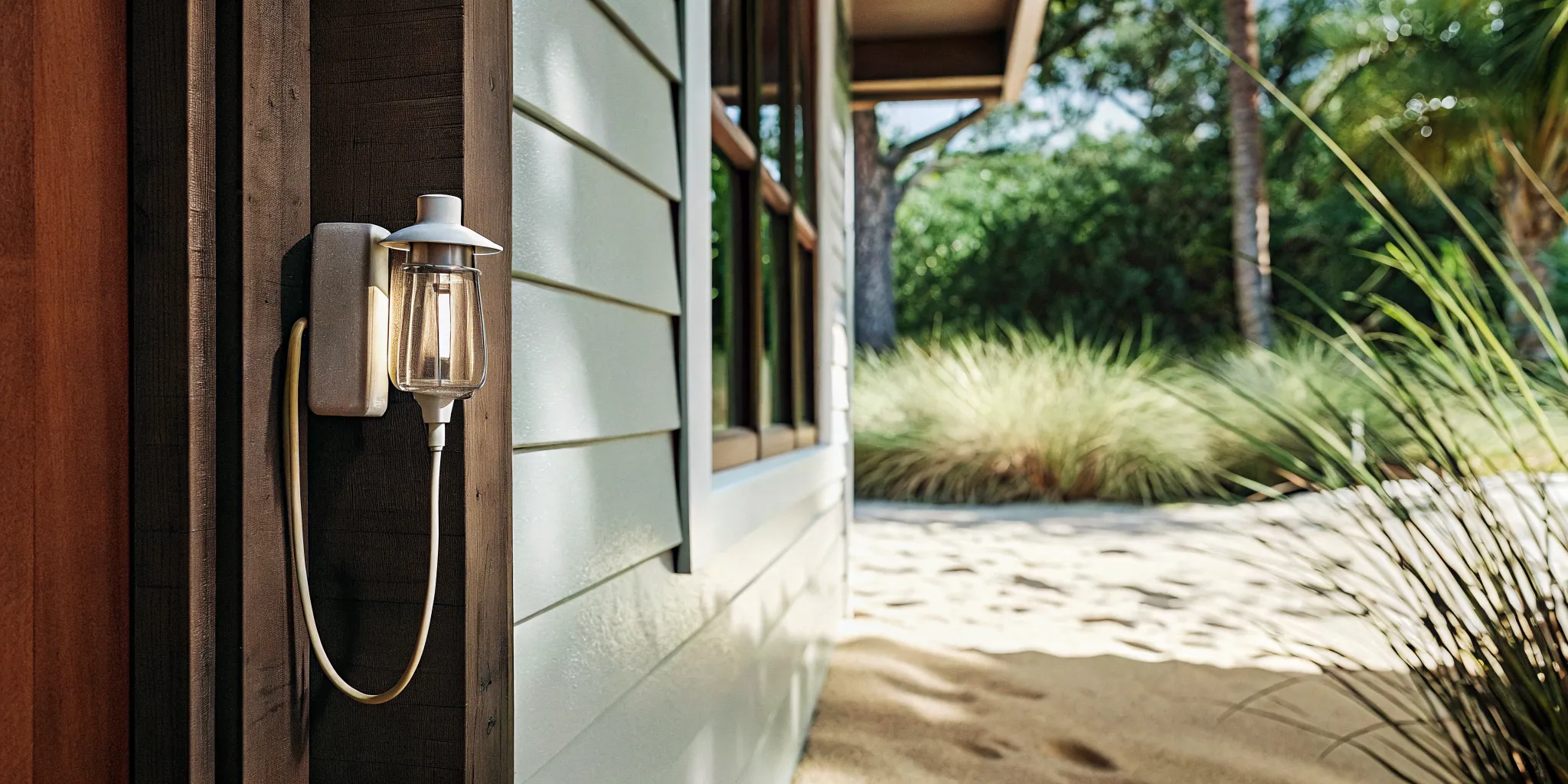
What Are the Warning Signs of Coastal Corrosion?
Common warning signs include visible rust, green or white deposits, pitted metal, damaged covers, intermittent outdoor lights, repeated breaker trips, flickering, buzzing, heat, and burning odors. Smoke, sparking, hot equipment, or wet damaged equipment requires immediate distance from the area and urgent professional help.
- Rust on a panel, disconnect, box, cover, or fixture. Rust indicates that protective finishes or enclosures have begun deteriorating.
- Green, white, or chalky deposits. Different metals can develop different corrosion products, but any unusual buildup deserves attention.
- Pitting, flaking, or swelling metal. These changes may prevent covers and seals from working correctly.
- Outdoor equipment that works intermittently. Lights, outlets, pumps, or fixtures that cut in and out may have a damaged connection.
- Breakers that trip repeatedly. Repeated trips signal a condition that needs diagnosis, not repeated resetting.
- Flickering, buzzing, or crackling. These symptoms can point to loose, damaged, or overheating connections.
- Discoloration, heat, smoke, or sparking. Treat these as urgent electrical warning signs.
Do not touch equipment that is hot, smoking, sparking, wet, or visibly damaged. Move away from the area and seek professional help. My Electrician, Inc. provides 24/7 emergency electrical service for urgent hazards.
How Can Property Owners Check for Corrosion Safely?
Property owners can perform a useful visual check from a safe distance without opening panels or touching electrical components. In daylight, look for rust, damaged covers, trapped water, cracked seals, loose conduit, and performance changes. Stop immediately if equipment is wet, hot, sparking, or making unusual sounds.
Use a no-touch exterior checklist
- Look for rust streaks, corrosion, cracks, or missing screws on exterior enclosures.
- Check whether weatherproof outlet covers are broken, loose, or unable to close.
- Notice light fixtures with trapped water, corrosion, or damaged seals.
- Look for loose conduit, deteriorated fittings, or gaps where wiring enters a box.
- Keep branches, stored items, and landscaping from blocking access to equipment.
- Write down changes in performance, including flicker, frequent trips, or intermittent operation.
Keep the check visual. Never remove a panel cover, open sealed equipment, spray cleaner into an electrical box, or scrape corrosion from an energized component. A panel may contain live parts even when a main breaker is switched off.
Check after major coastal weather
After strong wind or a coastal storm, inspect from a distance before using outdoor outlets, lights, or equipment. Look for displaced covers, damaged conduit, standing water, and new rust streaks. If you find storm damage, avoid the area until an electrician determines that it is safe.
Schedule Service for a professional inspection if your visual check reveals deterioration or unexplained electrical symptoms.
How Electricians Evaluate and Address Coastal Corrosion
A professional corrosion inspection evaluates more than visible rust. An electrician checks enclosure condition, connections, grounding and bonding, evidence of overheating, water intrusion, and whether affected equipment remains suitable for service. The appropriate repair depends on the location, severity, and effect of the corrosion.
Possible corrective work may include replacing damaged covers, fittings, fixtures, devices, terminals, breakers, or entire enclosures. Severe deterioration or heat damage generally calls for replacement rather than a cosmetic cleanup. Because electrical equipment must be compatible and properly rated, repairs should use parts appropriate for the specific installation.
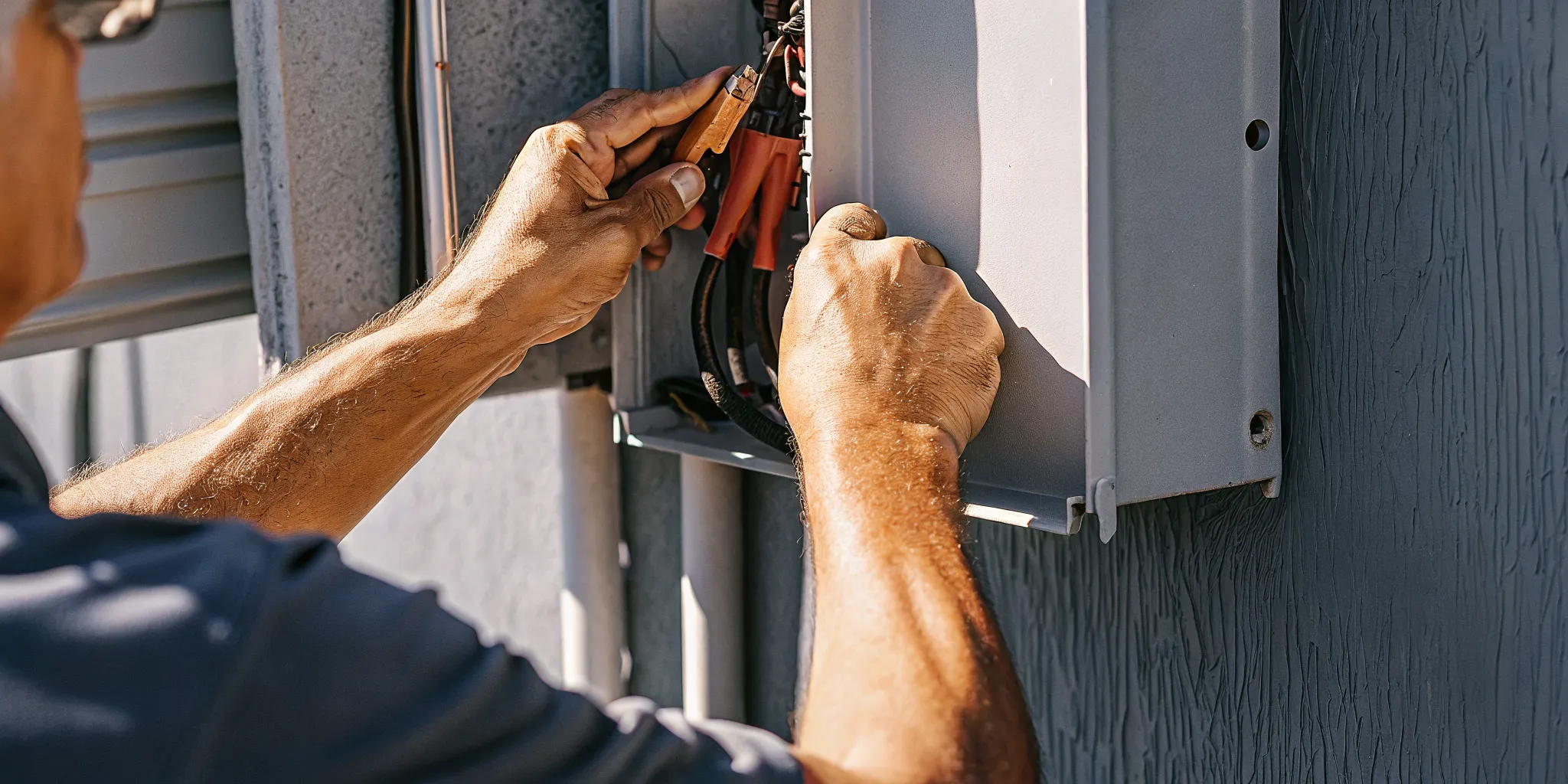
Testing can reveal problems that rust alone cannot
An enclosure may look acceptable while a connection inside shows heat damage or contamination. Conversely, visible surface rust does not always mean every internal component has failed. A qualified evaluation helps distinguish localized surface deterioration from damage that affects safe operation.
My Electrician, Inc. has served the region since 2000 and uses diagnostic methods appropriate to the problem. The company's electrical panel services include inspection and repair options when corrosion affects panel equipment. Upfront flat-rate pricing helps property owners understand the proposed work before repairs begin, and completed work is backed by a two-year written workmanship guarantee.
How to Reduce Salt Air Damage
Reducing salt air damage starts with equipment rated for its location, intact weatherproof covers, sound seals, and timely repairs. Property owners should keep vegetation and debris away, replace broken covers promptly, and schedule evaluation when deterioration appears. Never apply household sprays or coatings inside electrical equipment.
Use the right equipment for the location
Outdoor and damp-location equipment is designed with specific exposure conditions in mind. Correct equipment selection matters because an indoor-only box or fixture may not provide adequate protection outside. Properly installed fittings, covers, and gaskets work together as a system.
Maintain the protective barrier
A weatherproof enclosure only helps while its cover, gasket, fittings, and entry points remain intact. A cracked cover or missing screw can allow water and salt deposits inside. Correcting a small enclosure defect early may help prevent more extensive damage.
Avoid unapproved corrosion products
Do not coat terminals, breakers, or other components unless the equipment manufacturer permits it and a qualified professional performs the work. The wrong product can interfere with connections, trap contaminants, damage materials, or create a new hazard. Household cleaners, lubricants, and sprays do not belong inside panels, outlets, disconnects, or fixtures.
When Should a Treasure Coast Property Get an Inspection?
Schedule an electrical inspection when you see corrosion or electrical symptoms, after significant wind-driven coastal weather. When buying an older coastal property, or before relying on long-neglected outdoor equipment. A property near open water or with highly exposed components may need attention sooner than a sheltered inland building.
There is no single inspection schedule that fits every coastal property. Distance from open water, prevailing wind, age, equipment placement, enclosure condition, and storm exposure all change the risk. An electrician can assess current conditions and recommend priorities based on the property rather than an arbitrary timeline.
An inspection is also sensible before adding major equipment or relying on a standby generator for storm season. A qualified electrician can identify weak points and prioritize repairs based on safety and condition. Learn more about the company's local experience on the About My Electrician, Inc. page.
Why Early Action Matters for Homes and Businesses
Early action matters because corrosion tends to progress rather than reverse. A small enclosure defect can admit more moisture, while a deteriorating connection can become less reliable and generate heat. Prompt evaluation may isolate a problem before it damages more equipment or interrupts service.
For homeowners, that means fewer surprises from outdoor lights, outlets, panels, and backup power equipment. For Treasure Coast businesses, preventive attention also supports continuity. Exterior lighting, HVAC systems, signs, refrigeration, pumps, and other essential equipment may all depend on outdoor electrical connections.
Waiting for complete failure can make the situation more disruptive, especially during severe weather or outside normal business hours. My Electrician, Inc. offers 24/7 emergency availability for urgent issues and scheduled electrical services for preventive evaluation and repairs.
Frequently Asked Questions
Can salt air affect indoor electrical wiring?
Yes. Indoor equipment can still be exposed when salty air enters through doors, garages, vents, or unsealed openings. Outdoor and open-air components usually face more direct exposure, but an electrician should investigate indoor symptoms rather than assume they are unrelated.
Does rust on an electrical panel mean it must be replaced?
Not always, but rust should not be ignored. Surface rust and corrosion that has reached internal parts present very different conditions. An electrician must inspect the enclosure and internal components to determine whether repair or replacement is appropriate.
Can I spray something on electrical equipment to stop corrosion?
Do not spray household cleaners, lubricants, or corrosion products into panels, outlets, disconnects, or fixtures. Only use products approved by the equipment manufacturer, and have a qualified electrician apply them where appropriate.
Is salt air electrical corrosion dangerous?
It can be. Corrosion may increase resistance at connections, contribute to overheating, damage protective enclosures, and make equipment unreliable. Treat burning odors, heat, smoke, sparks, buzzing, or repeated breaker trips as urgent warning signs.
What should I check after a coastal storm?
From a safe distance, look for damaged covers, displaced equipment, standing water, rust, and other visible changes. Do not touch wet or damaged electrical equipment. Contact an electrician if you see damage or notice new electrical symptoms.
Protect Your Treasure Coast Electrical System
Salt air is part of coastal Florida life, but preventable electrical deterioration does not have to be. A professional inspection can identify corrosion, water intrusion, damaged weatherproof equipment, and unreliable connections before they lead to a larger problem.
My Electrician, Inc. serves homeowners and businesses in Port St. Lucie and nearby communities with licensed, insured electrical expertise, upfront pricing, a two-year written workmanship guarantee, and 24/7 emergency availability.
If you see corrosion or notice an electrical warning sign, Schedule Service. For smoke, sparking, heat, or an immediate hazard, move away from the area and request urgent help.
Related Electrical Services
Need help with this issue? These My Electrician services are a good next step.