
Sparking Outlet What to Do: Safe Steps
By My Electrician, Inc.

If you are searching for sparking outlet what to do, treat the outlet as a potential electrical hazard. Stop using it, keep people away, and turn off the circuit breaker only if you can reach the panel safely. If you see flames or heavy smoke, leave the building and call 911. Do not pour water on an electrical fire or open the outlet to investigate.
Schedule Service with My Electrician FL for urgent outlet help.
A tiny blue flash can sometimes appear as a plug first makes contact, especially when the connected device is already switched on. However, repeated sparks, large yellow or white sparks, crackling, heat, discoloration, smoke, or a burning smell are not normal. Those signs call for prompt help from a licensed electrician.
This guide explains the safe first steps, common causes, warning signs, and when to request 24/7 emergency electrical service in Port St. Lucie and nearby communities.
Sparking outlet what to do immediately
My Electrician FL recommends that you stop using the outlet, keep everyone away, and cut power at the breaker only when the panel is safely accessible. Leave immediately and call 911 for flames or heavy smoke. For a contained problem, keep the circuit off and arrange a licensed electrical inspection.
Check for fire and smoke
The first thing you should do is look for signs of a fire. If you see active flames, thick smoke, or a strong smell of burning plastic, you must leave the house right away. Do not try to fix the outlet yourself if there is already a fire. Get everyone out of the building and call 911 from a safe spot outside. Fires can spread very fast inside walls where you cannot see them.
Even if you do not see fire, a hot outlet or black marks on the wall are major warning signs. These marks show that heat is building up and could lead to a fire soon. It is better to be safe and treat any smoke as a high risk. Expert immediate emergency electrical assistance is needed when these danger signs appear in your Port St. Lucie home.
Safely cut the power
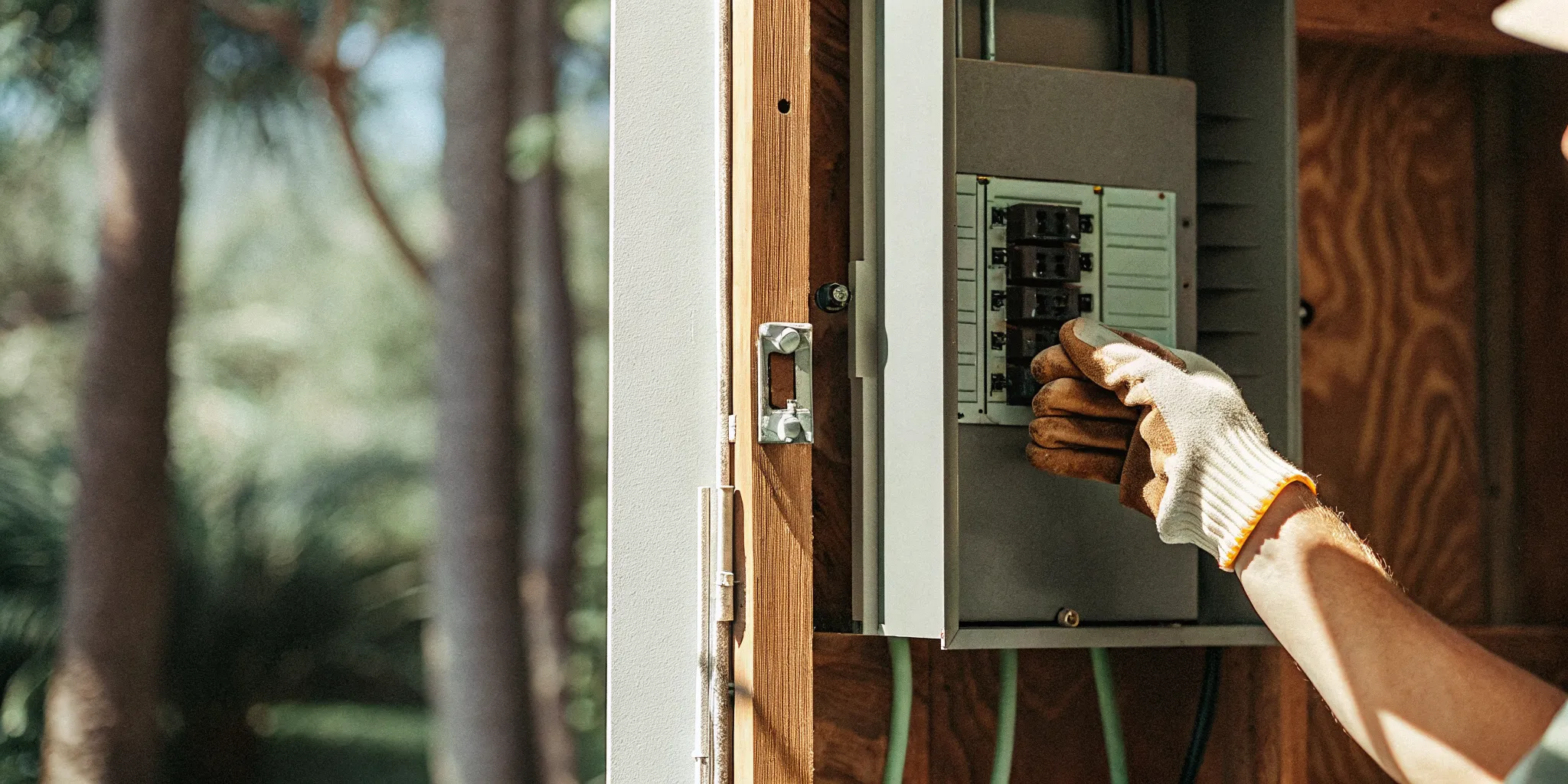
If there is no fire or smoke, your next goal is to stop the flow of power to the outlet. This helps stop the spark from starting a fire or causing more damage to your wiring. You should not touch the sparking outlet or any cords still plugged into it. Instead, go to your main power panel to turn off the power. This is the safest way to handle a sparking outlet what to do case without getting a shock.
- Stay away from the outlet. Do not touch the outlet, the wall around it, or any items that are still plugged in.
- Find your main breaker box. Go to the panel where your home's circuit breakers are found.
- Find the right circuit. Look for the switch that controls the room where the sparking happened.
- Flip the switch to off. Move the breaker handle all the way to the off side to kill the power.
- Check the outlet. Use a tool to make sure the power is truly gone if you have one.
- Unplug the items. Once the power is off at the panel, it is safe to remove any cords from the outlet.
- Leave the power off. Keep that breaker off until a pro can look at the system.
Call for expert help
Once the power is off, the danger is lower, but the problem is not fixed. A sparking outlet usually means you have loose wires or a short circuit. These faults can cause a fire if they are not repaired by a pro. The National Fire Protection Association notes that arc-faults can start fires from small defects in wires or cords. You should not try to use the outlet again until it has been fixed.
You need professional outlet repair services to find the root cause of the spark. A licensed electrician will check the wiring behind the wall to make sure it is safe. They can replace worn-out outlets or fix loose links that cause heat to build up. This keeps your home safe and stops future power issues. Do not ignore a spark, even if it seems to go away after you flip the breaker.
In the Treasure Coast area, you can get help any time of day or night. Local teams know how to handle these urgent issues and can give you peace of mind. Keeping your power system in top shape is the best way to stop fires and shocks in your home.
Is a sparking outlet always an emergency?
Not every visible spark means the same thing, but every unexpected spark deserves caution. A very brief, small blue spark can occur inside a receptacle at the instant a plug makes electrical contact. The risk is greater when a device is already switched on and begins drawing power immediately. Even then, you should not ignore a spark that happens repeatedly or seems to be getting stronger.
Warning signs that require urgent action
Stop using the outlet and arrange professional service when the spark is large, lasts longer than an instant, appears yellow or white, or comes with crackling. Heat, a burning odor, smoke, black marks, melted plastic, or a loose plug are also serious warning signs. A breaker that trips after the spark may be interrupting a fault, so do not repeatedly reset it.
If there is active fire, heavy smoke, or immediate danger, leave the property and call 911. If the danger has stopped but the outlet remains damaged or warm, keep its circuit off and contact an electrical service professional. Do not test the outlet with another appliance.
Why the surrounding conditions matter
Moisture, recent water intrusion, storm damage, or a burning smell can increase urgency. A spark in a kitchen, bathroom, garage, or outdoor area may involve dampness or compromised protection. A spark after a plug, cord, or appliance was damaged can also indicate a fault beyond the receptacle. When you cannot confidently identify a harmless one-time connection flash, the safer decision is to stop using the circuit until it is inspected.
Why do electrical outlets spark?
A spark is electricity crossing a gap. The important question is why that gap exists and whether heat or damage is developing behind the wall. An electrician can test the receptacle, wiring, grounding, connected load, and protective devices to locate the actual cause.
Loose or worn connections
Repeated plugging and unplugging can wear the contacts that grip a plug. A plug that hangs loosely may not maintain a stable connection. Loose terminal connections behind the receptacle can also create arcing and heat where you cannot see it. Replacing only the visible cover plate will not correct that problem.
Damaged cords, plugs, or appliances
A frayed cord, bent plug blade, cracked plug body, or failing appliance can produce a spark at the outlet. Unplug a suspect device only if doing so is safe and there is no heat, smoke, or active arcing. Do not move the same device to another outlet as a test, because that can carry the hazard to a second circuit.
Overloads and short circuits
Power strips and adapters can encourage too many devices to share one receptacle. High-demand equipment may overload the circuit or expose a weak connection. A short circuit creates an unintended low-resistance path and often causes a breaker to trip. Repeatedly resetting a tripping breaker is unsafe because the underlying fault remains.
Moisture or installation problems
Water and electricity are a dangerous combination. Leaks, humidity, flooding, and outdoor exposure can affect a receptacle or its wiring. Improper installation, damaged insulation, and deteriorated components can also allow arcing. Because many of these problems are concealed, a visual check from outside the outlet cannot prove the circuit is safe.
What can you safely check, and what should you leave to an electrician?
After a spark, your job is to reduce exposure, not diagnose live wiring. Keep hands dry, stand away from damaged equipment, and do not remove the cover plate. If you can safely reach the electrical panel without passing smoke, water, or fire, switch off the breaker serving the affected area. When in doubt, leave and call for help.
| Usually safe homeowner action | Leave to a licensed electrician |
|---|---|
| Stop using the outlet and keep others away | Remove the cover or pull the receptacle from the box |
| Observe smoke, odor, heat, or discoloration from a safe distance | Touch, tighten, splice, or test internal wiring |
| Turn off the identified breaker when the panel is safely accessible | Repeatedly reset a breaker that trips |
| Call 911 for active fire or heavy smoke | Use water on an electrical fire |
| Schedule a professional inspection | Replace a damaged outlet without confirming the cause |
Do not rely on a quick visual inspection
An outlet may look normal while a loose connection or heat-damaged conductor remains behind it. Likewise, replacing a receptacle without checking the circuit can leave a wiring fault unresolved. Licensed electricians use appropriate test equipment and safe work practices to determine whether power is present and why the spark occurred.
Do not use tape, an extension cord, or another adapter as a temporary workaround. Keep the affected receptacle out of service until a professional confirms that it and the circuit are safe.
What will an electrician do about a sparking outlet?
When you see a spark, you must find out why it happened right away. A licensed pro will start by making sure the area is safe for work. They do not just guess what is wrong. They use a clear plan to find the root cause of the spark. This process helps keep your home safe from fires and gives you peace of mind. Here is how an expert handles the job.
Check for physical wear and damage
The first step is a close check of the outlet and the wall box. An expert looks for signs of heat, such as brown marks, melted plastic, or a burnt smell. They will pull the outlet out to see the wires tucked behind it. Frayed or damaged wires can lead to a short circuit that causes bright sparks. The pro also checks the screws to see if they are tight enough to hold the wires in place.
Loose parts are a common cause of heat and sparks. As an outlet gets old, the metal parts inside can lose their grip on your plugs. If the plug feels loose when you put it in, it can create a gap where power jumps through the air. This jump is called an arc, and it can be very hot. An expert will test how well the outlet holds a plug to see if it needs a swap.
Test the circuit and flow of power
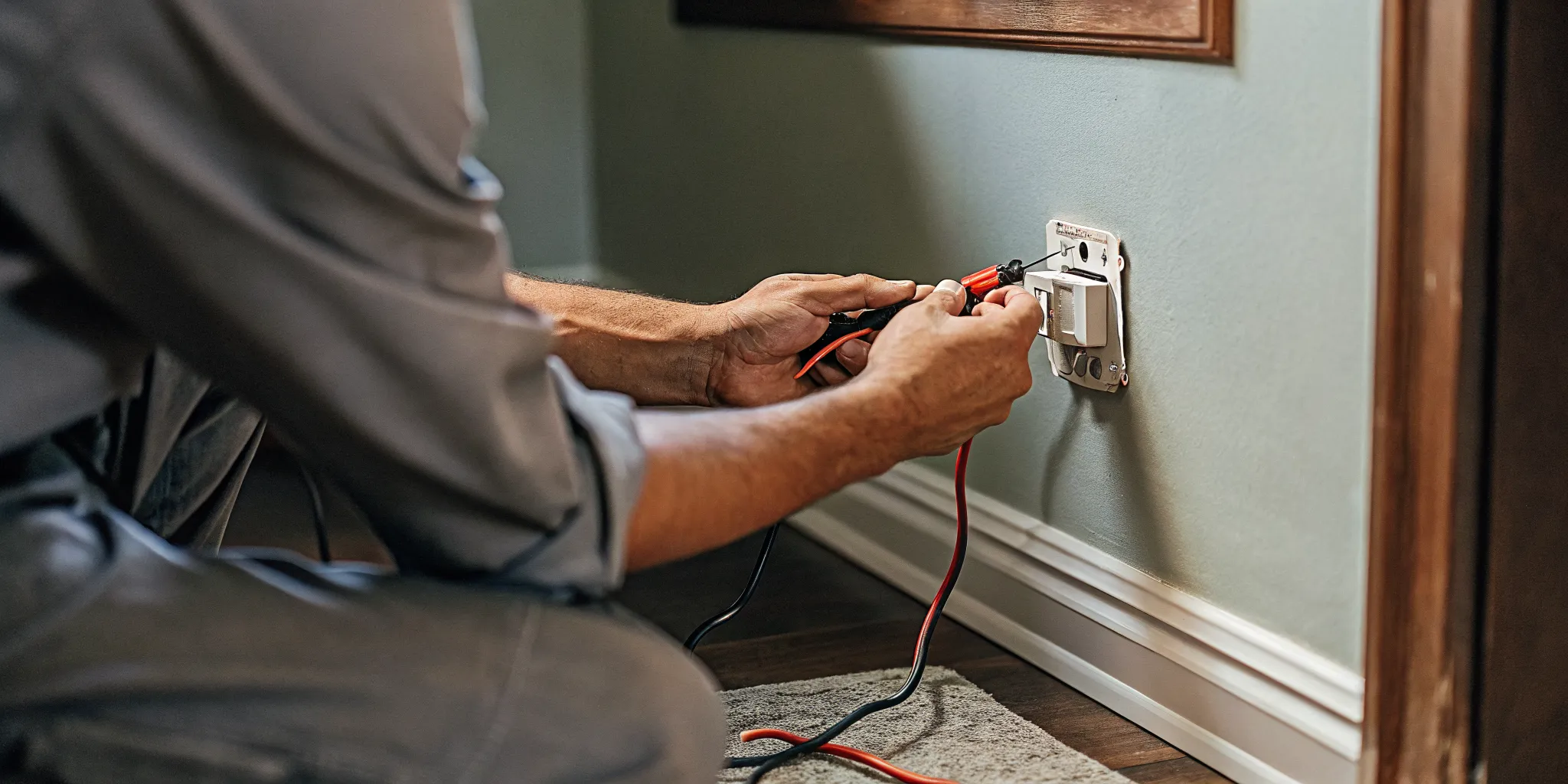
Next, the pro uses special tools to test how power moves through the wires. They check the ground wire to make sure it can carry power away in a fault. They also look for arc-faults, which are dangerous jumps in power that can start a fire. The NFPA notes that arc-faults can occur from something as simple as a nail in a wire. These faults often stay hidden inside your walls until they cause a large problem.
The expert will also look at the whole circuit to see if it is too full. If you have too many big tools or lamps on one line, the wires can get too hot. This heat can melt the plastic coat on the wires and lead to sparks. Testing the power draw helps the pro find out if you need a new circuit or just a new outlet. They make sure the wires can handle the load you need for your daily life.
Fix the problem and verify safety
Once the pro finds the source of the spark, they will fix it for good. They may put in new parts or a whole new outlet box if the old one is charred. Most times, it is best to put in a new device that has better safety features. Our team provides professional outlet repair services to keep your home in top shape. We can also add special breakers that shut off the power if they sense a spark.
Before the job is done, the pro will test everything one last time. They turn the power back on and use a tester to check each slot. They want to make sure the wires are in the right spots and the power is steady. At My Electrician FL, we give you a price before we start and offer a two-year warranty on our work. This ensures your home stays safe long after we leave the site.
How can you prevent an outlet from sparking again?
Prevention starts with correcting the actual cause of the spark. After repair, simple habits can reduce stress on receptacles and help you notice trouble early.
Use plugs and receptacles carefully
Pull a plug by its body rather than tugging the cord. Replace damaged cords and stop using plugs with bent or scorched blades. If plugs regularly fall out of a receptacle, arrange replacement instead of bending the blades or using makeshift spacers.
Avoid overloaded adapters
Do not stack adapters or assume that a power strip increases a circuit's capacity. High-demand appliances should be used according to their instructions and electrical requirements. If normal use repeatedly trips a breaker or produces warmth, an electrician can assess the circuit and recommend an appropriate solution.
Protect outlets from moisture
Address leaks and water intrusion promptly. Keep outdoor and damp-area covers in good condition, and never handle plugs with wet hands. If an outlet gets wet, do not use it until it has been assessed.
Respond to early warning signs
Buzzing, intermittent power, warmth, discoloration, loose plugs, and recurring breaker trips can appear before a more obvious failure. Scheduling service early may prevent further damage. Homeowners and businesses can also make sure responsible occupants know where the electrical panel is and how to call for emergency help without asking anyone to perform electrical repairs.
For broader help with repairs, installations, or inspections, review the electrical services available from My Electrician FL.
When should you call an emergency electrician?
Call for emergency electrical service when the outlet continues sparking, produces smoke or a burning odor. Feels hot, shows melted or blackened material, or causes the breaker to trip. You should also seek urgent help when the issue follows storm damage or water exposure, affects essential equipment, or leaves you uncertain whether the building is safe.
Call 911 before an electrician when there is active danger
An electrician is not a substitute for the fire department. Leave the building and call 911 when there are flames, heavy smoke, or immediate danger to people. Once emergency responders say it is safe, an electrician can assess and repair the electrical system.
Schedule prompt service for a contained problem
If the spark has stopped, no fire or smoke is present, and the circuit can remain off safely, schedule an inspection as soon as possible. Do not continue using the receptacle while waiting. My Electrician FL provides 24/7 emergency service for customers in Port St. Lucie and nearby service areas. The team can identify the fault and explain repair options before work proceeds.
Visit the service areas page to confirm local availability, or Schedule Service for a sparking outlet or another urgent electrical concern.
Frequently asked questions about sparking outlets
Should I unplug something from a sparking outlet?
Unplug it only when there is no active arcing, smoke, heat, water, or visible damage and you can do so without risk. Otherwise, move away, switch off the breaker only if safely accessible, and call for help.
Can I use the outlet after it sparks once?
A one-time tiny connection flash can occur, but repeated or unusual sparking is a warning. Stop using the outlet if you notice heat, odor, noise, discoloration, looseness, or breaker trips. Have it inspected before using it again.
Why did the breaker trip after the outlet sparked?
The breaker may have interrupted an overload or fault. Do not keep resetting it. Leave the circuit off and arrange an electrician's inspection to determine why it tripped.
Can a sparking outlet cause a fire?
Yes. Electrical arcing can create heat and ignite nearby combustible material. Treat smoke, a burning smell, heat, or discoloration as urgent warning signs. Leave and call 911 for active fire or heavy smoke.
Schedule Service for a sparking outlet
Do not take chances with repeated sparks, burning odors, heat, or damaged receptacles. My Electrician FL offers 24/7 emergency electrical service in Port St. Lucie and nearby communities. Keep the affected outlet out of use and let a licensed professional identify the cause.
Related Electrical Services
Need help with this issue? These My Electrician services are a good next step.