
Why Your Breaker Keeps Tripping
By Theresa Dudek | Published On June 11, 2026
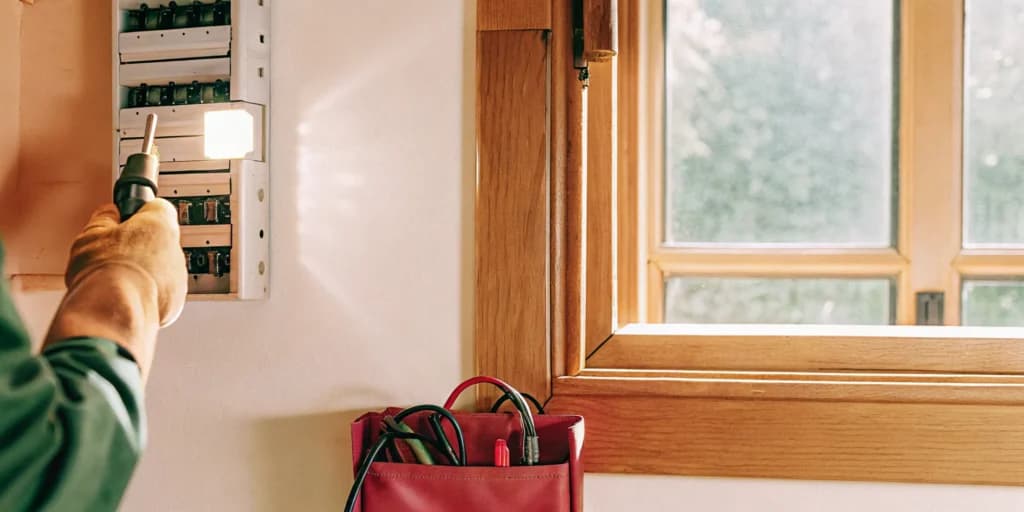
A breaker that trips twice is warning you, not testing your patience. Resetting it again may hide an overload, wiring fault, or failing electrical part.
Schedule Service for a breaker inspection
Your breaker keeps tripping because it detects excess current or a fault, then cuts power before wiring or connected equipment can overheat. Common causes include an overloaded circuit, faulty appliance, short circuit, ground fault, damaged wiring, loose connection, aging panel, or worn breaker. My Electrician explains that repeated trips often signal overloads, short circuits, or ground faults, while sparking, buzzing, or panel overheating calls for professional help. Stop resetting it if it trips again immediately, smells burned, feels hot, or shows visible damage. Port St. Lucie homeowners and businesses should call an electrician when trips repeat, the cause remains unclear, or any warning sign appears, and stop using the affected circuit.
The question is not simply whether power returns, but what caused the breaker to act and whether the circuit is safe to use. Why a breaker keeps tripping explains those causes first, so you can separate a simple overload from a repair that needs prompt attention. Here’s how.
Why a breaker keeps tripping
A circuit breaker shuts off power when it senses unsafe current on a circuit. This action helps keep wiring and connected devices from getting too hot. If a breaker keeps tripping, it is warning you that the circuit needs attention. Resetting it again and again does not fix the cause.
The breaker’s safety role
Each circuit can safely carry only a set electrical load. When demand rises beyond that limit, the breaker opens the circuit and stops the flow of power. A trip can interrupt your day, but the shutoff is doing its job.
Repeated trips may point to a problem with an appliance, outlet, wiring, or the breaker itself. Damaged outlets and connectors can create shock risks. The CDC recommends prompt repair of damaged receptacles and connectors as part of electrical safety.
The three main causes
An overload happens when several devices draw more power than the circuit can safely carry. It may occur when high-draw appliances run together on one circuit. The breaker often trips after the added device turns on. That timing can offer a useful clue, but it does not prove that an overload is the only problem.
- Overload: The combined demand from lights, appliances, and devices exceeds the circuit’s safe capacity.
- Short circuit: A hot wire contacts a neutral wire, causing a sudden rush of current.
- Ground fault: A hot wire contacts a grounded surface, such as a metal box or appliance frame.
Short circuits and ground faults are different from routine overloads. Both can signal damaged wiring or equipment, and either may cause the breaker to trip at once. Do not keep resetting a breaker that trips again right away.
Why repeated trips need attention
One trip may follow a clear overload, such as running several power-hungry devices at the same time. Frequent or instant trips suggest that the cause remains active. Buzzing, sparking, excess heat, or a burning smell makes the issue more urgent.
Turn off or unplug devices on the affected circuit if you can do so safely. Leave panel repairs and wiring tests to a trained electrician. A circuit breaker repair service can find whether the fault involves the load, wiring, breaker, or connected equipment.
Treat the trip as a warning, not an annoyance. Finding the cause protects the circuit and helps prevent the same shutoff from happening again.
What should you do when a breaker trips?
When a breaker trips, check for heat, smoke, sparks, burning odors, buzzing, water, or visible damage first. If none are present, unplug devices, reset the breaker once, and reconnect items one at a time. Stop immediately if it trips again.
A tripped breaker is a warning, not a problem to ignore. If your breaker keeps tripping, use a careful process to check for a simple overload or faulty device. Never remove the panel cover or touch exposed wiring.
Check for danger first
Stop before troubleshooting if you smell burning, hear buzzing, see sparks, or notice heat near the panel. Also stay away if the panel, floor, or nearby wall is wet. Leave the breaker off and call for 24/7 emergency electrical help.
Look at nearby plugs and outlets from a safe distance. Do not use any device with a damaged plug, melted part, or scorched outlet. The CDC recommends prompt repair of damaged receptacles and connectors to help prevent electrical injuries.
A safe reset sequence
If there are no warning signs, follow these steps once. Keep your hands dry and stand on a dry floor. Use only the breaker handle, and never force a breaker that will not move.
- Turn off lights and unplug every device on the affected circuit. Include power strips, chargers, lamps, and small appliances in nearby rooms.
- Find the tripped breaker. Its handle may sit between the ON and OFF positions. Push it fully to OFF before moving it to ON.
- Stop if the breaker trips again right away. Leave it off because the circuit may have a wiring fault or another unsafe problem.
- If the breaker stays on, wait a moment before testing anything. Turn on one light or plug in one device at a time.
- Pause after each device starts. If the breaker trips, unplug the last device and leave it unused until a qualified electrician checks it.
- If several devices work alone but trip the breaker together, the circuit may be overloaded. Move some devices to another suitable circuit and reduce the load.
Do not keep flipping the breaker back on after another trip. A reset restores power, but it does not repair a bad appliance, loose connection, or wiring fault.
When to stop testing
End the test if the breaker will not reset, trips with everything unplugged, or trips when one known device starts. These results point beyond a simple overload. Keep the affected breaker off and arrange licensed breaker repair help.
Call an electrician sooner if an outlet feels warm, shows discoloration, or makes noise. Do not open outlets, swap breakers, or test panel parts yourself. An electrician can check the breaker, circuit load, wiring, and connected devices with the right tools.
Overload vs short circuit vs ground fault
If your breaker keeps tripping, the timing and conditions can help narrow the cause. An overload often develops while several devices run together. A short circuit or ground fault may trip the breaker at once, even with little equipment in use.
These faults are not interchangeable. Each sends too much current along a different path, so the right fix depends on the cause. The table below shows the main clues, likely sources, and level of risk.
How the three causes compare.
| Cause | What you may notice | Risk |
|---|---|---|
| Overload | Delayed trip. | Serious. |
| Short circuit | Instant trip. | High risk. |
| Ground fault | Instant trip. | Shock risk. |
- Overload: The likely source is too many high-draw devices on one circuit.
- Short circuit: Likely sources include damaged wiring, loose connections, or a faulty appliance.
- Ground fault: Current may be reaching metal, a ground wire, or a wet area.
An overload means the connected devices demand more current than the circuit can safely carry. It may happen when a microwave, space heater, and other devices share one circuit. Unplugging some devices can show whether demand is the problem, but repeated trips still need attention.
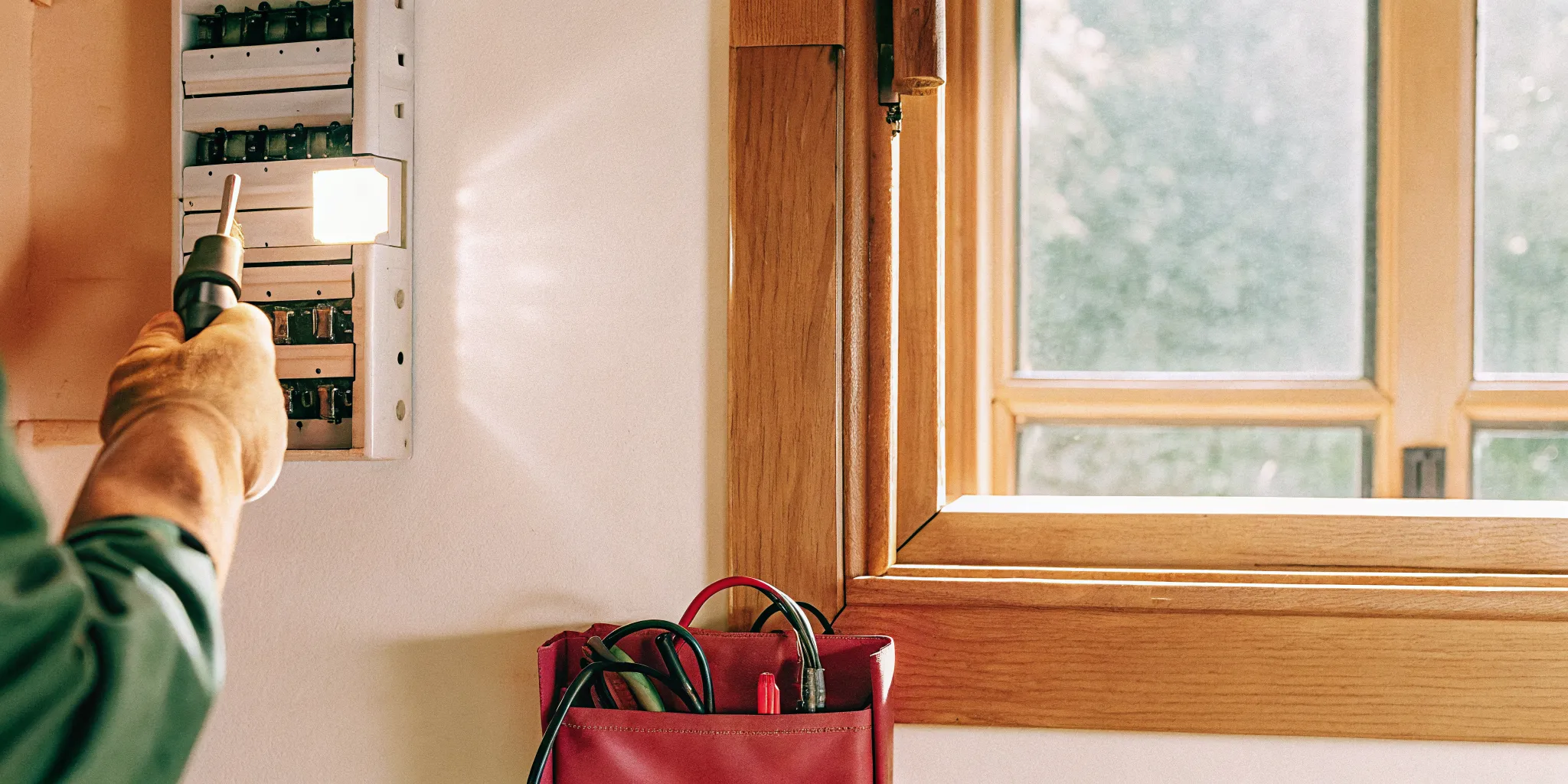
To check for a possible overload, turn off and unplug devices on the affected circuit. Reset the breaker once, then reconnect devices one at a time. If the trip returns as demand grows, stop using the extra devices until an electrician checks the circuit.
Short circuits and ground faults
A short circuit forms when current finds an unintended path between conductors. The sudden current flow can trip a breaker immediately. Damaged insulation, loose connections, or a faulty appliance can cause this fault, and the problem may remain after devices are unplugged.
A ground fault sends current toward a grounded surface, such as metal equipment or part of the wiring system. Moisture can make this danger worse. Both faults can expose people to shock or create heat, so they require a professional electrical inspection.
Do not touch a damaged outlet, exposed wire, or wet electrical device. The CDC warns that damaged receptacles and connectors can lead to electrocution. Prompt repair and proper use help prevent these incidents.
Clues that call for an electrician
Stop resetting the breaker if it trips again at once. Also stop if you notice sparks, buzzing, heat, discoloration, or a burning smell. These signs point beyond a simple overload and may mean wiring or equipment has failed.
Leave the affected circuit off and keep people away from the problem area. An electrician can test the circuit, locate the fault, and check whether the breaker still works as intended. For urgent warning signs, use urgent electrical repair instead of trying another reset.
When should you call an electrician for a tripping breaker?
Call an electrician when a breaker keeps tripping after devices are unplugged, trips immediately after reset, will not reset, or shows heat, smoke, sparks, buzzing, burning odors, or discoloration. Repeated trips mean the cause needs professional testing.
Call an electrician when a breaker keeps tripping after you remove the likely load, or when it trips again as soon as you reset it. An immediate retrip may point to a fault that needs trained testing. Stop resetting the breaker until the cause is found.
Warning signs that need urgent help
A burning smell, smoke, sparks, or buzzing near the panel calls for urgent action. The same applies when a breaker or panel cover feels hot. Do not touch, open, or remove the panel cover to investigate these signs.
- The breaker trips again right after one reset.
- You smell burning plastic near the panel, an outlet, or a switch.
- You hear buzzing or crackling from electrical parts.
- You see sparks, smoke, scorch marks, or melted plastic.
- An outlet feels warm or has a brown or black mark.
- The breaker keeps tripping even after all obvious appliances are unplugged.
Warm or damaged outlets also need prompt attention. The CDC notes that prompt repair of damaged receptacles and connectors can help prevent electrocution incidents. Avoid that outlet and keep other people away until an electrician checks it.
Safe steps while you wait
First, stop using the affected circuit. If the panel is cool, quiet, and free of smoke, leave the tripped breaker off. Unplug devices only when their cords, plugs, and nearby outlets show no heat or damage.
Do not keep testing the circuit by resetting its breaker. Do not remove outlets, work inside the panel, or touch a hot electrical part. If you see smoke or fire, leave the home and call emergency services from a safe place.
Call for help even if the trip seems random. Trips with no clear appliance load can come from hidden wiring damage, a failing breaker, or another circuit fault. A trained electrician can test the system without relying on guesswork.
Make a note of when the trip happened and which lights or outlets lost power. Tell the electrician what was running at the time. This short record can guide testing, but it should not delay a call when danger signs are present.
What an electrician will check
An electrician can check for an overload, short circuit, ground fault, damaged wiring, or a failing breaker. Circuit analyzers and thermal imaging can help locate trouble without opening walls. Depending on the findings, breaker diagnosis and repair may include a safe repair or breaker replacement.
Urgent warning signs should not wait for normal business hours. My Electrician provides emergency electrician service for breaker issues in Port St. Lucie. Schedule Service right away when there is heat, burning odor, buzzing, sparking, or an immediate retrip.
How to prevent repeat breaker trips
If a breaker keeps tripping, prevention starts with reducing strain and fixing the cause. A breaker is a safety device, not a switch for routine use. Repeated trips can point to an overloaded circuit, a damaged outlet, faulty wiring, or a worn breaker.
Dedicated circuits and safer plug use
Large appliances often draw more power than lamps, chargers, and other small devices. Refrigerators, ovens, air conditioners, and similar equipment may need dedicated circuits. An electrician can confirm whether each appliance has the right circuit and whether the panel can support the load.
Avoid connecting several high-draw devices to one power strip or outlet. A strip adds plug spaces, but it does not add circuit capacity. If trips happen when certain devices run together, move or unplug them until an electrician checks the circuit.
- Use power strips only for suitable low-draw devices.
- Replace cracked plugs, loose cords, and damaged strips.
- Do not use extension cords as permanent wiring.
- Ask about circuit breaker replacement and repair when the same breaker trips after loads are reduced.
Clear access and accurate labels
Label each breaker with the rooms, outlets, or fixed equipment it serves. Clear labels help you track which devices lose power during a trip. They also help an electrician test the affected circuit without shutting down unrelated areas.
Keep boxes, shelves, and stored items away from the electrical panel. Clear access matters when power must be shut off fast. Do not cover the panel, paint it closed, or store wet items nearby.
Check outlets, plugs, and cords for damage during routine home care. The CDC advises prompt repair of damaged receptacles and connectors because proper use and repair can help prevent electrical injuries. Stop using an outlet if it is loose, damaged, warm, or discolored.
Inspections and lasting repairs
Older coastal Florida homes may have aging parts, past storm damage, or circuits that no longer fit modern power needs. A professional electrical inspection can find worn breakers, loose connections, and overloaded circuits. It can also show whether a dedicated circuit or panel update is needed.
Routine checks are useful, but repeat trips need a lasting repair. Have faulty wiring, damaged outlets, and failing breakers fixed instead of resetting the breaker again. Call an electrician at once if the panel sparks, buzzes, overheats, or gives off a burning smell.
How electricians diagnose a breaker that keeps tripping
When a breaker keeps tripping, an electrician starts by learning when and where the trip happens. The timing can point toward a heavy load, a faulty appliance, or a wiring fault. This first step helps narrow the search before any repair begins.
Load and breaker checks
The electrician may map every outlet, light, and appliance supplied by the affected circuit. A circuit analyzer can then show how much power the connected devices draw. The electrician may test devices one at a time to find whether a specific appliance triggers the trip.
Next, the electrician checks the breaker itself and its connection inside the panel. A worn breaker can trip even when the circuit load appears normal. Heat, buzzing, visible damage, or a loose connection can also point to a panel problem. Circuit breaker repair addresses the failed part after testing confirms the cause.
Wiring, outlet, and appliance tests
If the breaker passes its checks, the electrician tests the circuit for a short or ground fault. These faults may come from damaged wire, a loose outlet connection, or a failed device. Test meters help locate the affected part of the circuit without relying on guesswork.
Outlets and switches also receive close attention because wear or loose connections can create unsafe conditions. The CDC’s electrical safety guidance stresses prompt repair of damaged receptacles and connectors. An electrician may inspect each device, check its connections, and test for heat or voltage changes.
Appliances can be isolated from the circuit during testing. If the breaker stays on after one device is removed, that device may be the cause. If trips continue with appliances disconnected, the fault likely sits elsewhere in the circuit or panel.
Tools that narrow the problem
Thermal imaging can reveal unusual heat at a breaker, wire connection, outlet, or switch. A circuit analyzer can check load and help trace the affected branch. Other meters can test voltage, continuity, insulation, and leakage based on the symptoms found.
- Load testing checks whether connected devices place too much demand on the circuit.
- Breaker testing checks whether the safety device trips at the wrong time.
- Outlet and appliance testing isolates faults beyond the electrical panel.
- Thermal imaging looks for hot spots that are not clear from the surface.
These findings guide a focused repair instead of opening walls based on a guess. If hidden wiring is the likely source, the test results can narrow the area first. A professional electrical inspection can also reveal related wear, poor connections, or code concerns that need attention.
The final diagnosis should state what caused the trip and which repair will address it. Depending on the findings, work may involve replacing a breaker, repairing wiring, changing an outlet, or adding a suitable circuit. The electrician can then test the repaired circuit under load before returning it to normal use.
Frequently Asked Questions
How do I know if my circuit is overloaded?
An overloaded circuit often trips when too many high-draw devices operate on the same circuit. Warning signs include trips that happen only when certain appliances run together, dimming lights, or warm outlets. Unplug devices from the affected circuit and reduce the load. If trips continue with devices unplugged, stop using the circuit and have an electrician inspect it.
What is the difference between a short circuit and a ground fault?
A short circuit occurs when electrical current takes an unintended path between conductors, often involving hot and neutral wires. A ground fault occurs when current reaches a grounded surface, such as an appliance frame or metal box. Both faults can trip a breaker and create shock or fire risks. Keep the affected circuit off and arrange professional diagnosis.
Is it safe to keep resetting a tripped breaker?
No. Reset a breaker only once after turning off or unplugging devices on the affected circuit. If it trips again, leave it off because the underlying fault remains. Repeated resets can allow dangerous overheating or further damage. According to My Electrician’s electrical services guidance, sparking, buzzing, or an overheating panel requires professional attention.
What should I do if my breaker trips immediately after resetting?
Leave the breaker off. An immediate trip may indicate a short circuit, ground fault, damaged wire, faulty appliance, or failed breaker. Unplug accessible devices on that circuit only if there is no heat, smoke, or burning smell. Do not remove the panel cover or handle wiring. Arrange breaker repair service before restoring power.
When should I call an electrician for a tripping breaker?
Call an electrician when a breaker keeps tripping after devices are unplugged, trips immediately, will not reset, or affects essential equipment. Seek urgent help for burning odors, smoke, sparks, buzzing, heat, or discoloration near the panel or outlets. Port St. Lucie homeowners and businesses can use emergency electrical service when warning signs suggest an immediate hazard.
Ready to Stop Your Breaker From Tripping?
A breaker that keeps tripping can leave important rooms or business equipment without reliable power and may point to a serious electrical problem. Ignoring repeat trips can allow the underlying issue to worsen, raising the chance of damaged wiring, lost work time, or an unsafe panel. Starting now gives an electrician time to find the cause, complete the right repair, and restore dependable power before another disruption.
Ready to protect your property and avoid more interruptions? Schedule Service for circuit breaker repair to request prompt help from My Electrician in Port St. Lucie. Acting today also helps you plan the repair before a breaker failure affects your home, customers, staff, or daily routine.

Theresa Dudek
Theresa Dudek is Marketing Coordinator at My Electrician, Inc., a licensed electrical contractor serving the Treasure Coast and Palm Beach County since 2000. She oversees content strategy and client communications.
Related Electrical Services
Need help with this issue? These My Electrician services are a good next step.