
An EV charger should not push your panel past its safe working limit. Yet a costly full upgrade is not always the right answer. Your home’s actual electrical load decides what comes next.
Schedule EV charger installation with My Electrician FL to confirm your panel capacity before adding a high-powered charger.
The question “do I need panel upgrade for EV charger” has a simple answer: only if your existing panel cannot safely support the added load. A standard Level 2 charger usually needs a dedicated 240-volt circuit drawing 40 to 60 amps, according to the Washington State University Energy Program. Many 200-amp panels have enough capacity, while some 100-amp panels can work when the home’s total demand leaves enough room. A licensed electrician should complete a load calculation and safety inspection before installation; if capacity is tight, load management may avoid full replacement. That assessment identifies breaker space, service size, and safer alternatives before you pay for electrical panel upgrade services.
The next section, Do I need panel upgrade for EV charger installation?, answers that question using the checks a licensed electrician makes before recommending work. Start with the panel checks a licensed electrician makes before recommending a new circuit, load management, or a panel upgrade.
Do I need panel upgrade for EV charger installation?
No, not every EV charger installation needs a panel upgrade. My Electrician FL reviews your home’s available electrical capacity, current demand, and panel condition. A licensed electrician should complete a load calculation before recommending an upgrade.
The panel’s amp rating alone does not settle the question. Your electrician must also check the circuits already serving air conditioning, water heating, cooking equipment, and other large loads. This review shows whether the panel can safely support charging without exceeding its capacity.
Panel capacity and available space
A panel may have enough total capacity but lack an open breaker space for the charger circuit. It may also have open spaces but too little capacity after the home’s other loads are counted. Both issues need to be checked during the initial inspection.
Many homeowners ask whether they need a 200-amp panel. A lower-rated panel may still support charging when its calculated load leaves enough room. If capacity is too low, electrical panel upgrade services can address the shortage and other panel concerns.
Level 2 charger power needs
Level 2 charging adds a major new electrical load. A standard Level 2 charger often uses a dedicated 240-volt circuit and draws 40 to 60 amps. These requirements are outlined in Washington State University EV charging resources.
The charger model, vehicle needs, and chosen charging rate all affect the circuit design. A smaller charging rate may fit within available capacity in some homes. Your electrician can explain the safe options after reviewing the equipment specifications and load calculation.
- Panel rating. Service rating and overall condition.
- Existing demand. Calculated demand from current circuits and large appliances.
- Breaker space. Open spaces and room for the required circuit.
- Charger load. Power needs and planned charging rate.
Why should Florida homeowners not guess?
Florida homes often place heavy demands on electrical systems through cooling, water heating, pool equipment, and other large loads. Still, visible equipment does not reveal the full demand. A load calculation turns those details into a clear answer based on the home’s actual setup.
Guessing can lead to a charger choice that does not match the panel’s safe capacity. It can also miss worn, damaged, or outdated panel parts found during an inspection. A licensed electrician can determine whether the right path is a new circuit, a lower charging rate, or a panel upgrade.
Before scheduling professional EV charger installation, gather the charger model and note any planned electrical additions. Those details help the electrician assess the full demand and explain whether an upgrade is truly needed.
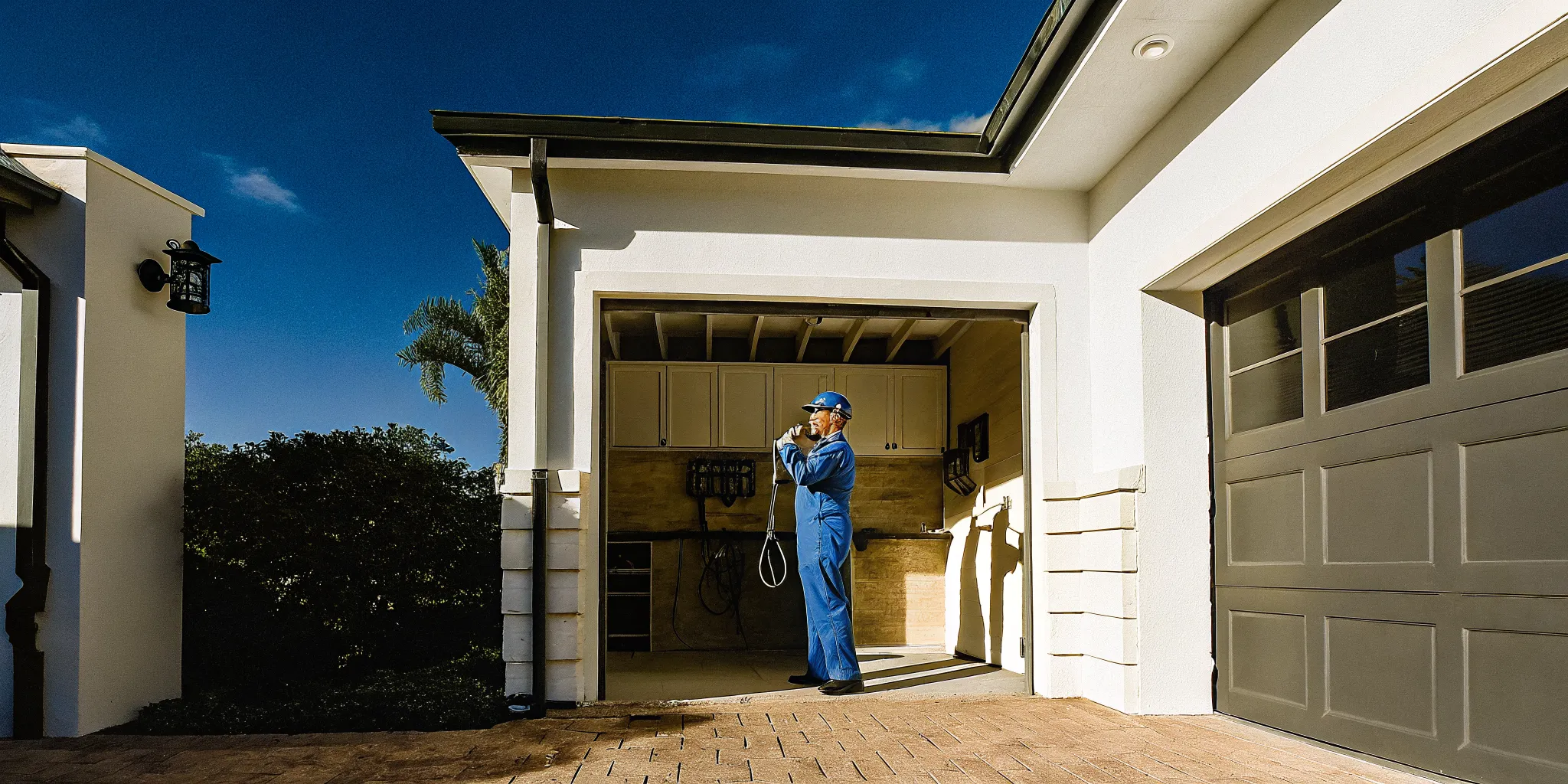
How an electrician checks your panel capacity
My Electrician FL does not judge panel capacity by the main breaker size alone. The check combines a load calculation, a close inspection, and the charger’s power needs. This process answers the question, “Do I need a panel upgrade for an EV charger?” with facts from your home.
Service rating and load calculation
The electrician first confirms the service rating shown on the main breaker and panel label. Next, they calculate how much power the home may need at one time. This load calculation is a key part of planning a safe professional EV charger installation.
- The electrician records the panel’s service rating and checks how many breaker spaces remain open.
- They list major loads, including air conditioning, water heating, cooking equipment, dryers, pools, and other large appliances.
- They calculate the home’s expected demand and compare it with the available service capacity.
- They add the planned charger’s load and check whether the panel and service can carry it safely.
- They inspect the panel, wiring route, grounding, and proposed charger location before giving a recommendation.
A large main breaker does not always mean there is room for a charger. A home with many electric appliances may already use much of its available capacity. A smaller service may still work when the load calculation shows enough room.
Dedicated circuit plan
The electrician also checks the exact charger model and its planned charging rate. A standard Level 2 charger usually needs a dedicated 240-volt circuit. It may draw 40 to 60 amps, according to Washington State University EV charging resources.
The circuit plan includes the breaker, wire size, connection type, and route from the panel to the charger. Distance and installation conditions can affect the plan. The electrician also confirms that the panel has a suitable breaker space, not just an unused slot.
Panel condition and final recommendation
Capacity is only one part of the decision. The electrician checks the panel’s age, labels, breakers, connections, and signs of heat or damage. They also look for corrosion, loose parts, unsafe past work, and other issues that may affect safe charging.
After the inspection, the electrician explains whether the current panel can support the planned circuit. If it cannot, the options may include a lower charging rate, load management, repair, or replacement. Homeowners can review electrical panel upgrade services when added capacity or panel work is needed.
The final recommendation should match the home, vehicle, driving needs, and existing electrical demand. This approach avoids an upgrade that is not needed. It also helps prevent breaker trips, overheated parts, and an EV circuit that cannot perform as planned.
Signs your panel may need an upgrade before EV charging
My Electrician FL checks a panel’s label, condition, and current workload for possible trouble before an EV charger is added. These signs do not prove that replacement is needed, but they call for a licensed electrician’s review.
Limited service size or breaker space
An older 60-amp service is a strong sign that the home’s electrical system needs a closer look. A 100-amp panel may also be too crowded or too heavily loaded for another large circuit. The amperage alone does not settle the question. Your home’s full electrical demand matters.
Look for a panel with no open breaker spaces, many tandem breakers, or a packed layout. These conditions can limit installation choices even when the service has enough capacity. A full panel has no place for the new charger’s breaker. It may need changes before work can begin.
- Older service. An older 60-amp main service.
- Crowded panel. A 100-amp panel with limited capacity or space.
- No breaker space. No open spaces for a new breaker.
- Outdated equipment. Old or outdated panel components.
Heat, noise, and breaker trips
Frequent breaker trips show that a circuit may be overloaded or that another fault needs attention. A warm panel cover, buzzing sounds, burning odors, or scorch marks also need prompt review. Do not remove the panel cover or touch damaged parts. Call a licensed electrician if you notice these signs.
- Breaker trips. Breakers that trip during normal appliance use.
- Panel noise. Buzzing, crackling, or unusual sounds.
- Heat. Warm areas around the panel or breakers.
- Corrosion. Rust, moisture, or visible corrosion.
- Damage. Burn marks, melted parts, or sharp odors.
These warning signs concern the panel’s current safety, not just future charging capacity. Adding a charger before repairs could place more strain on weak equipment. An electrician can inspect the panel and explain whether repair or replacement is the safer path. My Electrician FL’s electrical panel upgrade services cover panel repair, replacement, and upgrades.
High demand across the home
A panel can look tidy yet still lack enough capacity for an EV charger. Central air conditioning, electric water heating, pool equipment, electric cooking, and other large loads may run at the same time. Planned additions, such as a second EV or new appliance, should also be part of the review.
A common Level 2 charger needs a dedicated 240-volt circuit and often draws 40 to 60 amps. Washington State University EV charging guidance describes these common power needs. That demand makes a proper load calculation essential. A licensed electrician should compare the home’s demand with the service rating before recommending an upgrade.
EV charging options compared with panel upgrade needs
My Electrician FL explains that the answer to “do I need panel upgrade for EV charger use?” depends on charging speed, panel capacity, and the home’s current demand. A licensed electrician should complete a load calculation before choosing an option. This check shows whether the panel can safely carry the added load.
Charging and panel choices
Level 1 charging places the smallest added demand on a home, but it charges more slowly. It may suit drivers with short daily trips or plenty of overnight charging time. Level 2 is faster, yet it needs more available capacity.
| Option | Best fit | Panel consideration |
|---|---|---|
| Level 1 charging. | Light daily driving and long charging windows. | Lower added demand, but panel condition still matters. |
| Level 2 charging. | Regular driving and faster home charging. | Needs a dedicated circuit and enough spare capacity. |
| Panel upgrade. | Homes with too little service capacity or panel space. | Adds capacity for safe charging and other planned loads. |
| Load management. | Homes with limited capacity that can shift demand. | Controls charging when other large loads are active. |
A standard Level 2 charger often draws 40 to 60 amps on a dedicated 240-volt circuit, according to Washington State University charging guidance. That demand does not mean every home needs a larger panel. It does mean the electrician must compare charger demand with the home’s existing load.
When a panel upgrade makes sense
An upgrade makes sense when the current service cannot safely support charging with the home’s other electrical needs. It may also be needed when the panel lacks space for a dedicated charger circuit. Frequent breaker trips or known panel issues also call for a careful safety review.
Homes planning more electric equipment may benefit from added panel capacity, even if a smaller charger could work today. A panel upgrade can prepare for future loads, but it should follow a full assessment rather than a guess. My Electrician FL’s electrical panel upgrade services explain repair, replacement, and upgrade options for Port St. Lucie homes.
When load management may work
Load management can be an option when the panel has limited spare capacity but remains in safe condition. The system controls charger use when other large electrical loads are running. This approach can reduce peak demand without automatically replacing the full panel.
It is not a shortcut around a damaged panel, unsafe wiring, or a failed load calculation. The right choice depends on driving needs, charger settings, major appliances, and plans for future electric equipment. A licensed electrician can compare these factors and explain which option fits the home safely.
Can you avoid a full panel upgrade?
My Electrician FL may find that a full panel upgrade is not the only possible path to home EV charging. The right option depends on your panel capacity, existing loads, driving needs, and charger settings. A licensed electrician must inspect the system and complete a load calculation before recommending any alternative.
Smart ways to manage electrical load
A load management device can help a charger work within the power already available to the home. When other large appliances raise demand, the device can reduce or pause EV charging. This approach controls when the charger draws power instead of adding more service capacity.
A circuit-sharing device offers another possible route when an approved circuit serves a large appliance. Instead of letting both loads run together, the device gives one load priority. The charger receives power only when the other appliance is off. An electrician must confirm that the equipment and circuit are suitable.
- Load management. Adjusts charging based on the home’s total demand.
- Circuit sharing. Prevents a charger and another approved load from running together.
- Lower charging rate. Reduces the charger’s demand on the panel.
- Charging schedule. Moves charging to times when home demand is lower.
A lower charging rate or different schedule
A standard Level 2 charger often uses a dedicated 240-volt circuit and draws 40 to 60 amps, according to Washington State University EV charging resources. A lower-amperage charger or approved lower setting may place less demand on the panel. This tradeoff can mean slower charging, so it should still fit your daily driving needs.
Changing the charging schedule may also help when the panel has enough capacity but peak demand is the concern. Charging overnight can avoid times when air conditioning, cooking equipment, and other large loads often run together. Scheduling alone does not fix an overloaded or unsafe panel.
What an electrician needs to check
If you are asking, “Do I need panel upgrade for EV charger use?” the answer starts with a load calculation. During a professional EV charger installation assessment, an electrician checks panel condition, service capacity, breaker space, and existing demand. The review also confirms whether a proposed device and charger setting meet the installation requirements.
Alternatives are not DIY shortcuts. Circuit sharing and load management need compatible, approved equipment plus correct wiring and setup. If the panel is damaged or cannot safely support the planned load, electrical panel upgrade services may still be required. A licensed electrician can explain which option fits the home without trading safety for convenience.
What to do before installing an EV charger in Port St. Lucie
A little preparation helps your My Electrician FL EV charger assessment stay focused and useful. Gather details about your vehicle, parking space, charging goals, and electrical panel. This information helps the electrician compare your desired charger with the power your property can safely supply.
Book an electrical assessment
Schedule an on-site assessment before buying equipment or planning installation dates. A licensed electrician should review the panel, breaker space, service size, existing loads, and proposed charger location. The visit can answer the key question: do I need a panel upgrade for an EV charger?
A typical Level 2 charger uses a dedicated 240-volt circuit and may draw 40 to 60 amps. Washington State University’s EV charging resources explain these common power needs. Your electrician must still calculate the property’s actual load before recommending a circuit, charger, or panel change.
Homeowners and businesses in Port St. Lucie, Fort Pierce, Stuart, Vero Beach, Jupiter, and nearby areas can request professional EV charger installation guidance. During scheduling, describe the site as a house, rental, workplace, shop, or shared parking area. Each site may need a different wiring route and equipment location.
Prepare useful details
Before the appointment, take clear photos of the electrical panel, its label, and the surrounding wall. Keep the panel closed unless a licensed professional opens it. Also photograph the parking space and the likely path between the panel and charger.
- Vehicle details. Have the EV make, model, and charging specifications ready.
- Parking location. Note where the vehicle parks and which side holds its charge port.
- Large loads. List air conditioning, a pool pump, electric water heating, and other major loads.
- Future plans. Share plans for solar, a second EV, or new electric appliances.
- Permit questions. Ask which permits and inspections apply before work begins.
The electrician will inspect the current setup, complete a load calculation, and explain practical options. Options may include a new dedicated circuit, a different charger setting, load management, or electrical panel upgrade services. A panel upgrade should follow the findings, not guesswork.
Address warning signs first
Tell the electrician about breakers that trip, lights that dim, buzzing sounds, heat, or burning odors. Do not treat these symptoms as normal preparation for EV charging. Stop using affected circuits when safe. Seek prompt electrical help before adding a large new load.
During the visit, expect clear questions about daily charging needs and future electrical plans. Ask where the charger will sit and how wiring will reach it. Also ask what must happen before installation day. A clear scope should cover safety work, permits, inspections, equipment, timing, and any panel changes.
Schedule your EV charger panel assessment with My Electrician FL before you buy equipment or add a new circuit.
Frequently Asked Questions
How do I know if my electrical panel can handle an EV charger?
A licensed electrician should inspect the panel and complete a load calculation before installing an EV charger. The review considers service capacity, available breaker spaces, existing appliance demand, panel condition, and the charger’s planned output. My Electrician FL explains that this assessment determines whether the existing panel can safely support the added load.
Can I install an EV charger on a 100-amp panel?
Yes, a 100-amp panel may support an EV charger when the home’s total electrical demand leaves enough capacity. Available breaker space alone does not prove that the installation is safe. A licensed electrician must calculate the load and may recommend slower charging or load management if capacity is limited.
Do I need a 200-amp panel for an EV charger?
No, an EV charger does not always require a 200-amp panel. The correct service size depends on the charger output and the home’s existing electrical demand. Most modern homes with 200-amp panels can support Level 2 charging without major upgrades, according to EnergySage, but every installation still needs a load calculation.
What are alternatives to a full panel upgrade for EV charging?
Possible alternatives include a smart load management system, a circuit-sharing device, or a lower-power charging setup. These options can limit charging when other large appliances are operating, helping the home remain within its available capacity. An electrician should confirm that the selected option fits the panel, charger, and applicable electrical requirements.
How much power does a typical Level 2 EV charger draw?
A standard Level 2 EV charger typically uses a dedicated 240-volt circuit drawing 40 to 60 amps, according to Washington State University Energy Program. Actual requirements vary by charger model and configured output. An electrician must size the circuit, breaker, and wiring correctly while checking whether the panel can support the additional demand.
For broader electrical help beyond EV charging, see My Electrician FL services, review local coverage on the service areas page, or learn about the company’s standards on the about page.
Ready to Plan a Safe EV Charger Installation?
Waiting until installation day to check your panel can delay your project and leave you without a clear path forward. Starting the assessment with My Electrician FL now gives your electrician time to review capacity, identify needed work, and plan the installation in the right order. You will know whether your current panel can support the charger or whether an upgrade belongs in the project timeline.
Ready to move forward with a clear plan? Contact My Electrician FL to schedule an EV charger installation assessment and get practical next steps for your Port St. Lucie home. Request your assessment now so panel questions do not hold up your charger installation later. Early planning also gives you time to understand the recommended work before the charger installation begins.

Theresa Dudek
Theresa Dudek is Marketing Coordinator at My Electrician, Inc., a licensed electrical contractor serving the Treasure Coast and Palm Beach County since 2000. She oversees content strategy and client communications.