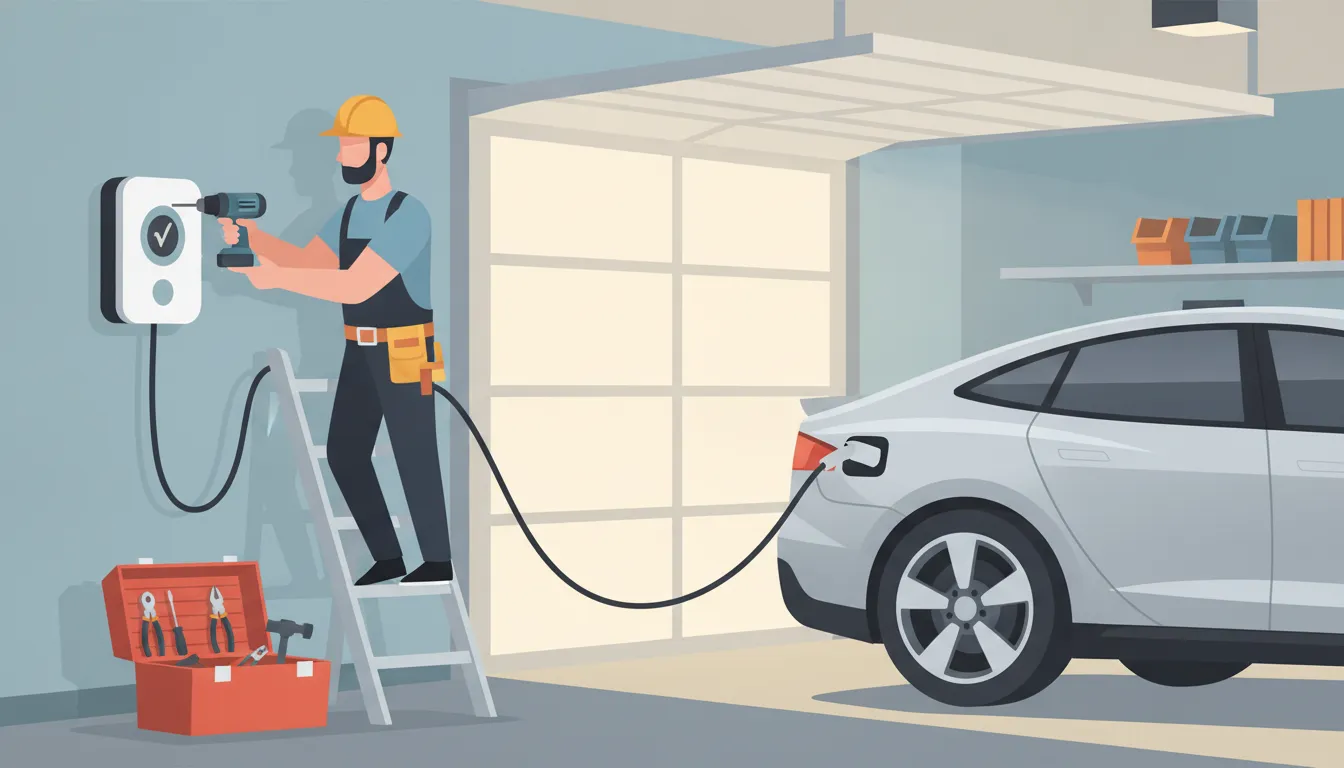
Charging at home can make EV ownership far more convenient, but the right setup depends on more than mounting a charger near the driveway. Your home may need a dedicated circuit, enough panel capacity, and equipment suited to the installation location. A careful assessment helps prevent surprises and gives you a charging plan that fits your vehicle and daily routine.
For Treasure Coast homeowners, hiring an electrician for EV charger installation is the safest way to determine whether your electrical system can support the equipment you want. The U.S. Department of Energy recommends safety-certified charging equipment and a certified electrical contractor for home installations. A qualified electrician can also identify whether your home needs additional circuits for Level 2 charging. Learn more from the U.S. Department of Energy.
That evaluation matters because EV charging places a sustained demand on your electrical system. Before choosing a charger, consider how professional installation protects your home, supports dependable charging, and helps you make a confident decision.
Schedule Service for EV Charger Installation
Why Hiring an Electrician for EV Charger Installation Matters
An EV charger is not simply another appliance to plug into a convenient outlet. It can draw substantial power for hours at a time, often overnight, which makes the quality of the installation important to your home's safety and long-term reliability. A professional electrician for EV charger installation evaluates the charging equipment, the electrical panel, the wiring path, and the location before the work begins.
EV charging is a continuous electrical load
The National Electrical Code treats EV charging infrastructure as a continuous load. In practical terms, the circuit must be planned to support the charger's ongoing demand rather than treated like a short-use household device. The contractor must apply the appropriate NEC requirements so the installation can operate safely under its expected load. The U.S. Department of Energy's Alternative Fuels Data Center specifically recommends working with a qualified electrical contractor for this reason: EV charging infrastructure is considered a continuous load under the NEC.
That planning generally includes a dedicated circuit for the charger, correctly sized conductors, suitable overcurrent protection, and secure terminations. The exact requirements depend on the charger, its amperage, the existing service, and local code. A licensed electrician can identify those details instead of relying on assumptions or adapting an existing circuit that was never designed for hours of continuous charging.
A professional installation protects more than the charger
When a charger is installed without checking the home's electrical system, the risks can extend beyond a malfunctioning device. An undersized circuit, overloaded panel, loose connection, or poorly protected wiring can contribute to nuisance breaker trips. Heat buildup, damaged equipment, or interruptions when your vehicle needs to charge. An electrician checks the panel and wiring before recommending the installation approach, helping protect the home's electrical system as well as the vehicle and charger.
The equipment itself matters, too. The Department of Energy recommends safety-certified charging equipment, including products tested by a nationally recognized testing laboratory, along with a certified electrical contractor. Choosing compatible, safety-certified equipment and having it installed according to the manufacturer's requirements gives you a stronger foundation for dependable charging.
Code compliance supports a smoother project
EV charger installations must comply with applicable local and state building codes and NEC regulations. Depending on the project and location, permits and inspections may also be required. A qualified electrician can help determine what the installation requires, complete the electrical work properly. And address compliance details before they become a problem during an inspection or a future home sale.
For homeowners in Port St. Lucie and throughout the Treasure Coast, professional installation is an investment in safe daily charging and confidence in the work behind the wall. It is also a practical way to avoid turning a convenient upgrade into an avoidable electrical repair.
Do You Have the Electrical Capacity for an EV Charger?
Before choosing a charger, look at what your home's electrical system can safely support. The right setup depends on the service entering the home, the available space in the panel, the existing loads, and how quickly you want to charge. An electrician can evaluate those details and tell you whether your current system is ready or needs changes.
Level 1 charging may use an existing dedicated outlet
Level 1 charging uses a standard household outlet and can be a practical choice for drivers who charge overnight and have modest daily mileage. It still needs a dedicated branch circuit. That means the outlet should not share its circuit with other appliances or receptacles. If an appropriate dedicated outlet is already near the parking area, the U.S. Department of Energy's Alternative Fuels Data Center notes that additional capacity or installation cost may not typically be necessary. A qualified electrician should verify the circuit rather than assuming any nearby outlet is suitable.
This option can make sense if you want the simplest installation and your charging routine allows more time. It may be less convenient if you regularly drive long distances or need to add substantial range during a short period.
Level 2 charging may require a new circuit
Level 2 equipment provides faster charging, but it places greater demands on the electrical system. A professional assessment determines whether the home has adequate capacity and whether the panel can accommodate the required circuit. If it cannot, an electrician may be able to add circuits or recommend a panel upgrade, as described by the U.S. Department of Energy.
The assessment should account for the home's existing electrical demand, not just whether an unused breaker space appears to be available. A panel can have open spaces and still lack enough overall service capacity. The electrician may also review the condition and rating of the panel, the distance to the charger location, and the safest route for the wiring.
When is a panel upgrade needed?
A panel upgrade may be appropriate when the existing service cannot safely support the added continuous load. When the panel is outdated or damaged, or when there is no practical way to install the required circuit within its limits. That is a decision to make after an on-site evaluation, not from the charger model alone. In some homes, a dedicated circuit is all that is needed. In others, upgrading the panel provides the capacity for the charger and future electrical needs.
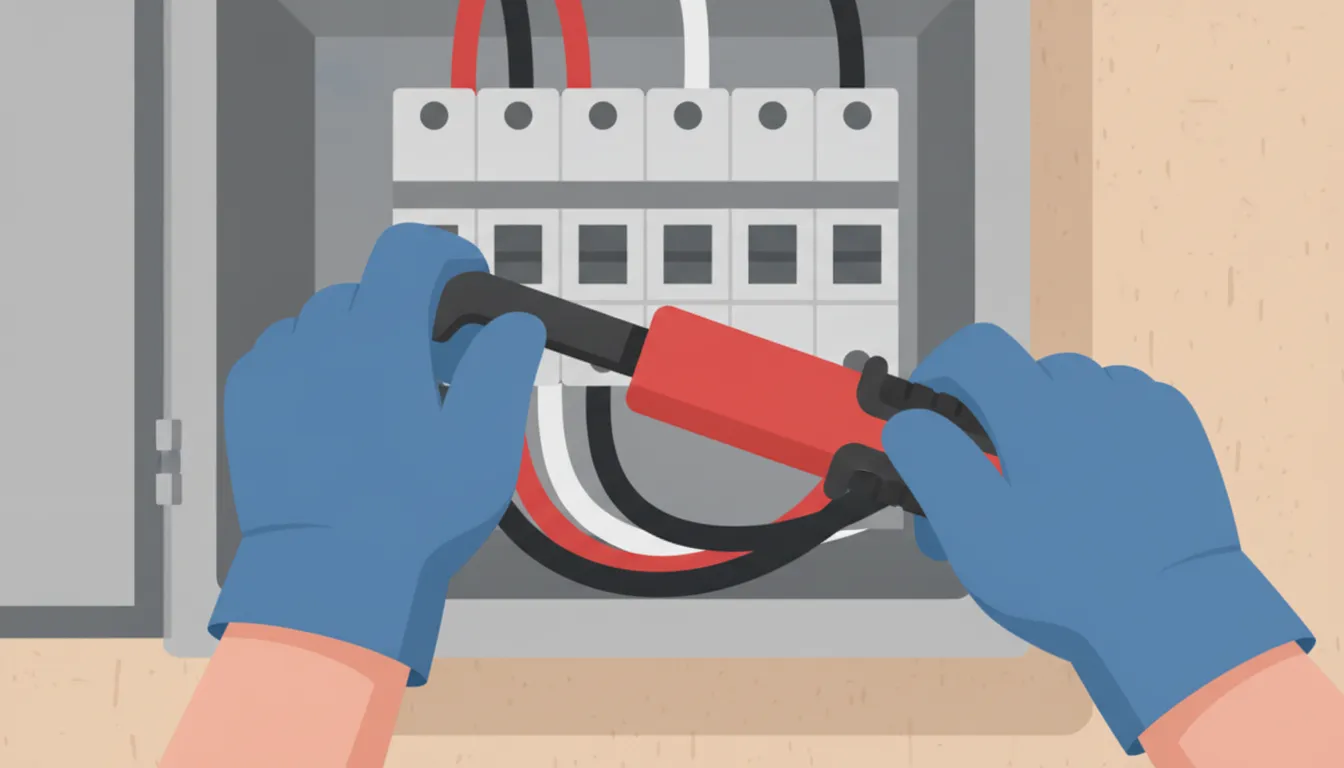
If the assessment identifies a concern, electrical panel services can address the broader system before the charger is installed. Ask the electrician to explain the recommendation, the expected charging performance, and any permitting or code requirements in clear terms. That gives you a safer installation and a decision based on your home's actual capacity.
Level 1 vs Level 2 vs Level 3 Charging: What to Expect
Choosing an EV charger usually comes down to how quickly you need to recharge, where you park, and what your home's electrical system can support. The three charging levels are not interchangeable. Each serves a different purpose, and the right fit depends on your driving routine rather than the highest number on a product page.
For most homeowners, Level 2 is the practical middle ground. It is the most common option for residential charging and typically uses a dedicated 240-volt circuit, similar to the circuits used by other major appliances. A qualified electrician can confirm whether your panel has enough capacity and determine the safest installation approach.
| Charging level | Voltage and circuit | Typical speed | Common use | Installation complexity |
|---|---|---|---|---|
| Level 1 | Standard household outlet on a dedicated branch circuit | Slowest, often suited to overnight charging | Light daily driving and homes with an appropriate outlet near the parking space | Low when a suitable dedicated outlet already exists; the circuit still needs to be verified |
| Level 2 | Dedicated 240-volt circuit | Faster than Level 1 and generally suitable for regular home charging | Daily residential charging, garages, driveways, and workplaces | Moderate; may require a new circuit, wiring route, breaker, equipment, and permit review |
| Level 3, DC fast charging | High-power commercial electrical service and specialized equipment | Fastest, designed to add substantial range in a short stop | Public charging stations, travel corridors, and commercial sites | High; equipment, service capacity, site design, code compliance, and permitting require professional planning |
Why Level 1 may be enough
Level 1 can work well when your daily mileage is modest and the vehicle can charge for several hours overnight. The U.S. Department of Energy notes that many drivers can meet their daily needs with Level 1 when a nearby outlet is on a dedicated branch circuit. That does not mean any convenient outlet is automatically safe for continuous EV charging. An electrician should verify the circuit, outlet condition, and location before you rely on it.
Why homeowners often choose Level 2
Level 2 is a better match for drivers who want a faster, predictable recharge at home. It can also support smart features such as charging timers, user interfaces, data collection, and communications capabilities. These features may help you schedule charging around your routine, but the charger still needs a properly sized circuit and a suitable installation location.
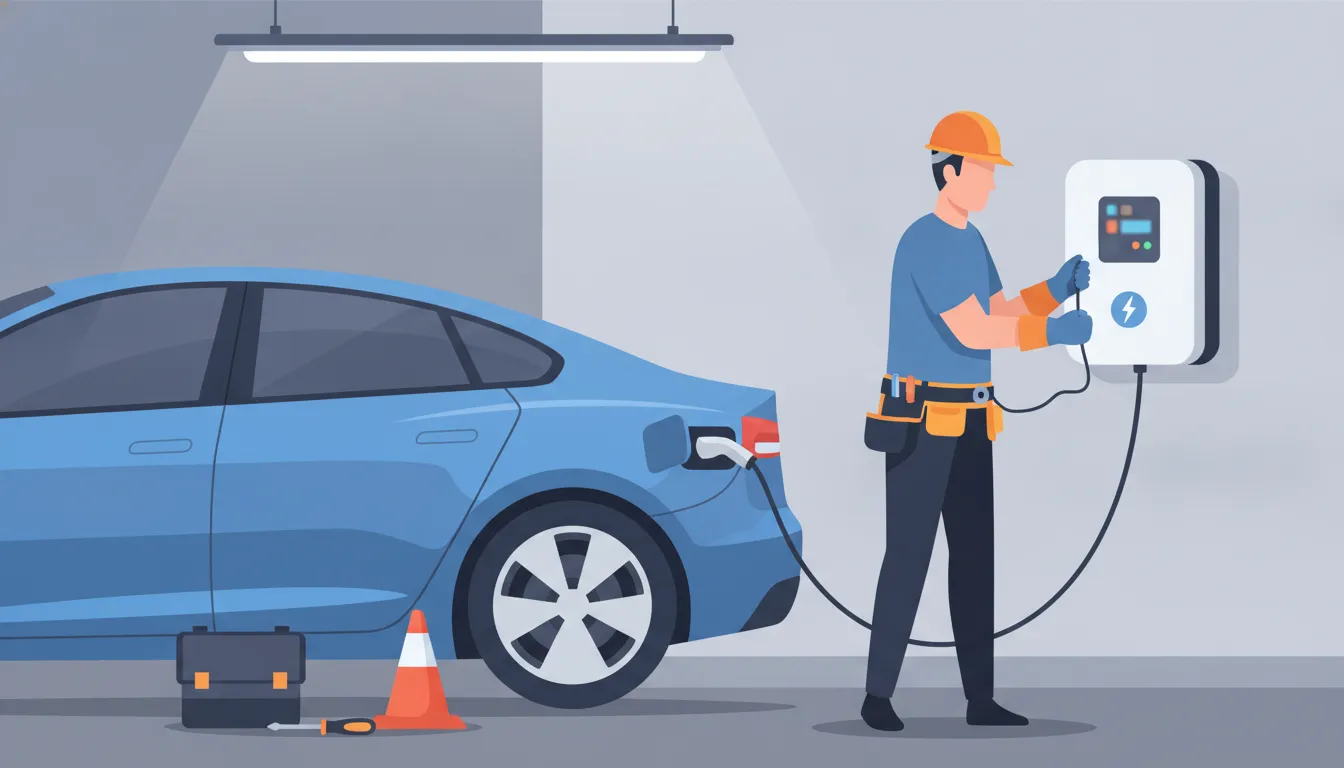
Level 2 equipment can be installed in a garage or outdoors. Outdoor installations are safe when the equipment is rated for outdoor use, including exposure to weather. A professional assessment should account for the distance from the electrical panel to the parking location, available panel capacity, equipment specifications, and applicable local requirements. Review the professional electrician for EV charger installation options before choosing equipment or wiring.
Why Level 3 is usually not a home option
DC fast charging is built for public and commercial locations where drivers need rapid charging during a short stop. Its power requirements and specialized equipment make it substantially more complex than a typical home installation. For most homeowners, a properly installed Level 2 charger provides the best balance of speed, convenience, and realistic electrical requirements.
Sources: U.S. Department of Energy Alternative Fuels Data Center.
What Does EV Charger Installation Cost?
The cost depends less on the charger alone than on what your home needs to support it safely. A straightforward installation may involve mounting the equipment and connecting it to an existing, suitable circuit. Other projects require a longer run from the electrical panel to the parking area, new wiring, additional protective equipment, or improvements to the panel itself.
What affects the total cost?
- Charger hardware: The model you choose, its charging level, and smart features can change the equipment portion of the project. Select equipment that matches your vehicle and is rated for its installation location.
- Distance from the panel: A charger located close to the panel generally needs less wiring than one installed across the garage, on an exterior wall, or in a detached structure. The route, access, and required materials all affect labor.
- Panel capacity: Your electrician must determine whether the existing panel can safely handle the additional charging load. If it cannot, the project may require a panel upgrade or another electrical improvement before the charger is installed.
- Permits and inspection: EV charging installations must comply with applicable local and state codes and National Electrical Code requirements. Appropriate permits may be required by local building and permitting authorities. The U.S. Department of Energy explains these installation requirements.
- Labor and site conditions: The condition of the existing wiring, the installation location, and whether the equipment is hardwired or connected through an appropriate outlet can affect the work involved.
Because these variables differ from one home to the next, a reliable quote should follow an assessment rather than a generic online estimate. My Electrician uses transparent flat-rate pricing, so you can understand the recommended work and its price before approving the installation. The company has provided electrical services across the Treasure Coast and Palm Beaches for more than 25 years. Giving homeowners an experienced team for both routine installations and more involved electrical upgrades.
Financing options may be available for qualifying projects, which can make it easier to complete necessary electrical improvements at the same time as the charger installation. Ask about available options when you contact My Electrician. A site-specific evaluation can clarify whether your home is ready for the charger you want and which costs are actually relevant to your project.
What to Look for in a Licensed EV Charger Installer
Choosing an installer is about more than finding someone who can connect a charger to a wall. The right electrician evaluates how the new equipment will affect your home's electrical system, explains the work clearly, and leaves you with a safe, code-compliant setup. Before hiring, verify the following qualifications.
State licensing and insurance
Ask for the electrician's Florida license information and confirm that the company carries current liability insurance. Insurance helps protect your home if property damage occurs during the work, while licensing shows that the contractor operates within the state's requirements. You should also ask whether the technicians who will perform the installation are licensed, insured, and experienced with residential electrical work.
A local electrical specialist can be easier to evaluate than a general marketplace contractor. Look for a company with an established service history in your area, clear contact information, and reviews that discuss electrical installations rather than only unrelated handyman work.
Permit and National Electrical Code knowledge
EV charger installations must comply with local and state building codes and National Electrical Code requirements. Appropriate permits may also be required by the local building or permitting authority. A qualified contractor should explain whether your project needs a permit, handle the paperwork when included in the scope, and coordinate any required inspection. The U.S. Department of Energy's Alternative Fuels Data Center provides the same guidance for residential charging installations: charging equipment must meet applicable codes and regulations.
This matters because EV charging is treated as a continuous electrical load under the NEC. An installer must size the circuit and protective equipment correctly instead of treating the charger like an ordinary plug-in appliance. Ask how the contractor will verify panel capacity, circuit requirements, grounding, and the appropriate disconnect or protection for your equipment.
Specific EVSE experience and safety-certified equipment
Experience with electric vehicle supply equipment, commonly called EVSE, helps the electrician account for the details that make charging reliable. The contractor should be comfortable with the charger brand you selected, hardwired and receptacle-based installations, indoor and outdoor locations, cable routing, and the charging level you need. If the unit will be outside, confirm that the equipment is rated for outdoor use. Residential charging equipment can be installed safely outdoors when outdoor-rated products are used.
Start with equipment that has been tested and safety-certified, such as products carrying the ENERGY STAR label. The AFDC recommends pairing safety-certified equipment with a certified electrical contractor. That combination gives you a better foundation than choosing a low-cost device or installer without verifiable credentials.
A written workmanship guarantee
Get the scope of work and warranty terms in writing before installation begins. The document should identify the equipment, circuit or panel work, permit responsibilities, expected payment terms, and what the workmanship guarantee covers. My Electrician provides a 2-year written workmanship guarantee on electrical services, as described on the company's About My Electrician page. Clear terms give you peace of mind and a practical point of reference if a workmanship concern develops after the installation.
How Long Does EV Charger Installation Take?
For many homeowners, the installation itself is completed in a single visit. A typical installation takes about two to four hours, although the exact timeline depends on the electrical panel. The charger location, and whether new wiring or additional capacity is needed. A licensed electrician can explain what your home requires before work begins, so you can plan without guessing.
- Complete a home assessment. The electrician reviews your vehicle and charger requirements, checks the electrical panel, and evaluates the distance to the planned parking location. They also look at the proposed mounting area, wire path, and whether the charger will be installed in a garage or outdoors. Outdoor installations require outdoor-rated equipment. This assessment helps identify potential obstacles before installation day.
- Prepare the panel and circuit. Level 2 charging commonly requires a dedicated circuit and may call for additional electrical capacity. If the existing panel cannot support the equipment, a qualified electrician can recommend the appropriate solution, such as adding a circuit or discussing panel work. The goal is to connect the charger safely without placing excessive demand on the home's electrical system.
- Handle permits and code requirements. Permit requirements vary by location and installation type, but hardwired EV charger installations commonly require a permit. EV charging equipment must comply with local and state codes and the National Electrical Code. A licensed professional can identify the applicable requirements, submit or coordinate the permit, and make sure the work is documented properly. Learn more about home EV charging safety and code guidance from the U.S. Department of Energy.
- Install and connect the charger. Once the circuit plan is approved, the electrician routes the wiring, installs the required protection, mounts the charger, and connects it to the electrical system. They then test the connection and confirm that the equipment is operating as intended. Careful placement also helps keep the cable accessible without creating a trip hazard.
- Complete the inspection. When an inspection is required, the permitting authority reviews the installation for compliance. The electrician can coordinate the inspection and address any requested correction. After approval, you can use the charger with greater confidence that the installation was completed according to applicable safety standards.
Ask for a clear timeline before work starts. If the panel is ready and the charger location is straightforward, the on-site work may fit within the typical two-to-four-hour window. Permit processing, panel upgrades, long wire runs, or inspection scheduling can add time beyond the installation visit. Choosing a professional electrician for EV charger installation keeps those steps organized from assessment through approval.
Treasure Coast Homeowners: Trust a Local Electrician
Choosing an electrician for EV charger installation is about more than connecting equipment to a power source. You are inviting a professional into your home to evaluate your electrical system, protect your property, and help you charge confidently day after day. For homeowners in Port St. Lucie and across the Treasure Coast, a local electrical company offers the practical advantage of understanding the homes, neighborhoods, and service needs of the area.
My Electrician serves communities from Palm Beach Gardens through Jupiter, Stuart, Jensen Beach, Palm City, Port St. Lucie, Fort Pierce, and Vero Beach. The company has provided residential and commercial electrical solutions across the Treasure Coast and Palm Beaches for more than 25 years. That experience matters when an installation involves more than the charger itself, such as evaluating the panel. Routing a circuit, selecting a suitable installation location, or identifying an electrical concern before it becomes a larger problem.
Professional service when you need it
A reliable local electrician should make the process clear from the first conversation. You should know what the installation involves, whether your current electrical capacity is suitable, and what steps may be needed to complete the work safely. Licensed and insured technicians can assess the job carefully, explain your options in plain language, and complete the installation with attention to your home's daily needs.
Electrical problems do not always happen during convenient business hours. My Electrician provides 24/7 emergency electrical support, so Treasure Coast homeowners have a resource when an urgent electrical issue affects their home. Emergency availability does not replace planned installation work, but it provides reassurance that help is available when a serious problem arises.
Whether you need an EV charger, an electrical repair, or help with another home electrical concern, you can review the company's electrical services and speak with a local professional about the right next step. A dependable relationship with an electrician should be built on safety, communication, and workmanship, not pressure or guesswork.
My Electrician also backs completed electrical services with a 2-year written workmanship guarantee. For homeowners, that written commitment adds another layer of confidence when choosing a company to work on an important part of the home.
Schedule Service to Get Your EV Charger Installed
Frequently Asked Questions
Do I need a permit for EV charger installation?
Usually, yes, especially when the installation adds a circuit or permanently connects the charger. Permit requirements vary by local jurisdiction, so your electrician should confirm the process and coordinate any required inspection. EV charging work must follow applicable local and state codes and National Electrical Code requirements. The U.S. Department of Energy explains these permitting and code considerations.
Will an EV charger installation require a panel upgrade?
Not necessarily. The answer depends on your existing service capacity, the charger level, and the electrical demand already present in your home. A qualified electrician can evaluate the panel and determine whether it can support the added charging load or whether a new circuit. Load-management solution, or panel upgrade is appropriate. The U.S. Department of Energy notes that some homes have insufficient capacity for Level 2 equipment, while a qualified electrician can add circuits when feasible: AFDC home charging guidance.
Do I need a dedicated circuit for an EV charger?
Level 1 charging requires a dedicated branch circuit, so a nearby outlet should not be treated as suitable without verification. If that dedicated circuit already exists, additional installation may not be needed for basic Level 1 charging. Faster Level 2 equipment commonly requires its own properly sized circuit, which an electrician can assess and install based on your home and charger.
Can any electrician install an EV charger?
Choose an electrician who is qualified to evaluate capacity, size the circuit, install the equipment, and meet local permitting and code requirements. Ask about experience with EV charging, safety-certified equipment, insurance, and the workmanship guarantee. A professional assessment helps you get dependable charging without placing an unverified load on your home's electrical system.
Ready to Schedule EV Charger Installation?
Whether you are adding a first home charger or upgrading to faster Level 2 charging, a professional assessment can confirm your electrical system is ready. Reach a qualified electrician to move from planning to a safe, practical setup.