Moving into a new home often means facing a maze of wires, switches, outlets, and a breaker box that may feel unfamiliar. Knowing the basics of your home electrical system helps you recognize what each part does, use electricity more safely, and know when a problem needs professional attention.
Need a professional to inspect, repair, or upgrade your electrical system? Call (877) 762-7483 or Schedule Service with My Electrician.
A home electrical system brings utility power to the main electrical panel, then divides it into protected circuits that supply your lights, outlets, switches, and appliances. Circuit breakers and grounding components provide essential safety protection by responding to overloads and faults. Understanding these parts does not make panel work a DIY project, but it does make you a more informed homeowner.
Regular inspections and prompt attention to warning signs such as flickering lights, warm outlets, or tripping breakers help you maintain a safe home electrical system. A licensed electrician can evaluate your panel, service capacity, and wiring to address concerns before they become hazards.
The three most essential safety components in any home are circuit breakers, GFCIs, and the grounding system. Together they protect against overcurrents, shock hazards, and electrical fires. Learning what each one does helps you recognize when your electrical system needs professional attention.
This guide explains the terms you are most likely to encounter as a new homeowner. It is designed to help you spot concerns early and make informed decisions, not to replace the work of a licensed electrician.
What Is a Home Electrical System Main Panel?
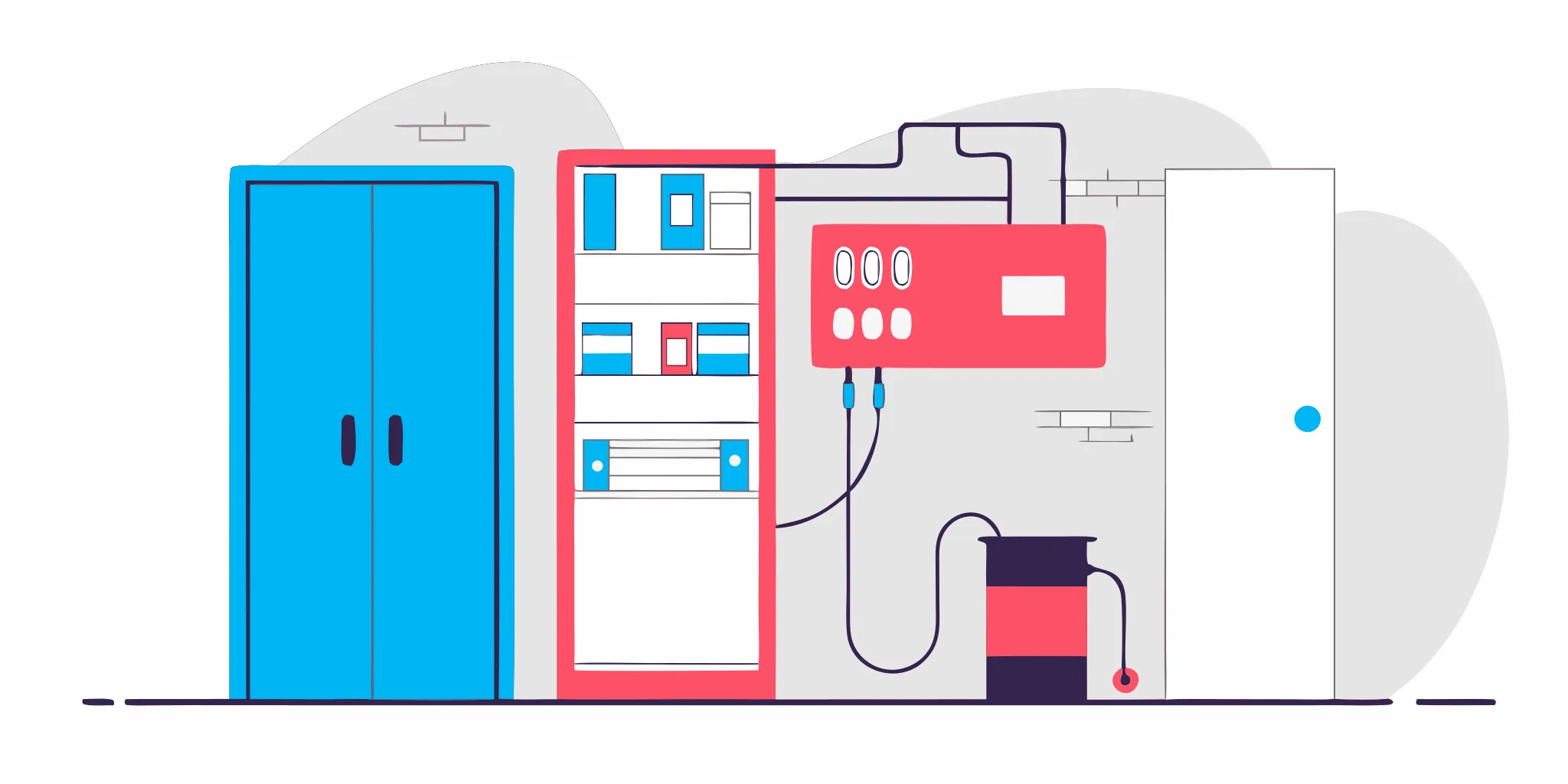
The main electrical panel, often called a breaker box, is the control center of your home electrical system. Power enters your home from the utility service and reaches this panel first. From there, the panel sends electricity through separate circuits to lights, outlets, appliances, and equipment throughout the house.
You will usually find the panel in a garage, utility closet, basement, or another area near the outside electric meter. Inside, rows of breakers protect individual circuits. Each breaker is assigned to a portion of the home or a specific appliance, so a problem in one area can be isolated without shutting off everything.
Older homes may have 60-amp or 100-amp service. Many newer homes have 200-amp service to support today's larger electrical loads. The right capacity depends on the home's layout, existing equipment, and planned additions. Before adding high-demand equipment such as an EV charger, a larger air-conditioning system, or major appliances, have a licensed electrician evaluate the panel and service capacity.
Some homes also have a subpanel. A subpanel receives power from the main panel and serves a separate area, such as an addition, workshop, detached garage, or pool equipment. It is not a replacement for the main panel, but an organized way to extend electrical distribution where it is needed.
If the panel is damaged, outdated, or no longer meeting your household's needs, My Electrician can help with professional electrical panel services.
How Home Electrical Circuits Work
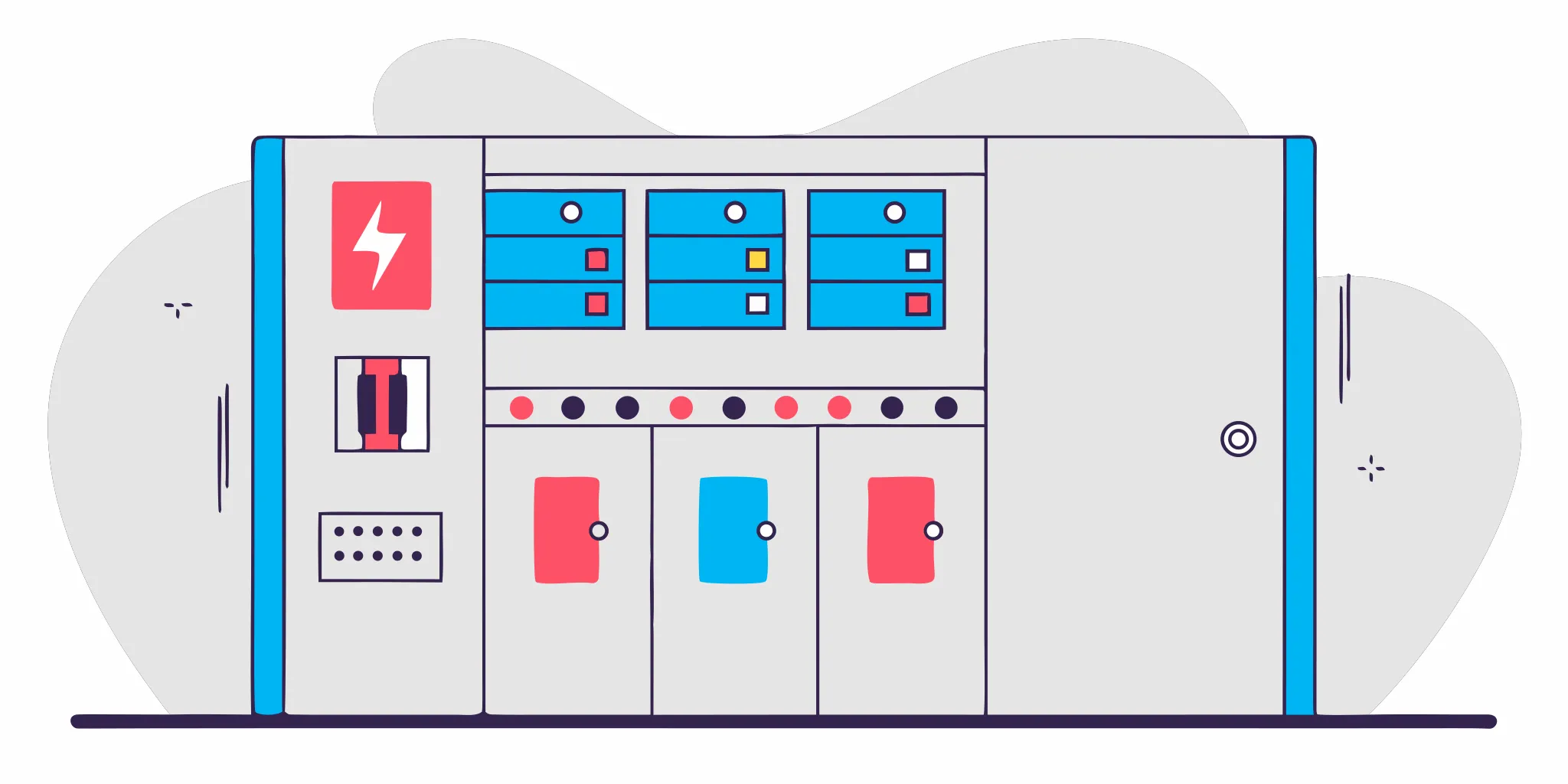
Your home electrical system relies on a network of paths called circuits to deliver power. A circuit is a closed loop that allows current to flow to your lights, outlets, and appliances. Understanding how these paths work helps you keep your home safe and functional.
Power distribution from the panel
The electricity that enters your home comes from the main utility line. The main electrical panel acts as the primary hub that sends power to different areas of the house. From this central box, separate circuits branch out through your walls. Each circuit includes conductors that carry power to specific rooms or appliances.
Branch and dedicated circuits
A standard home electrical system uses branch circuits to feed multiple outlets and lights in a room or area. A single branch circuit might power the lights and outlets in a bedroom. Larger appliances need more power and often use dedicated circuits that run from the panel directly to one appliance, such as a refrigerator, range, water heater, heat pump, or central air-conditioning unit.
Dedicated circuits help prevent other devices from losing power when a large appliance starts or operates. Their exact configuration should be designed and installed by a qualified professional, particularly when a home is being remodeled or new equipment is added.
Overload protection
Every circuit has a limit to how much power it can safely carry. Too many devices on one circuit can create excess heat in the wiring. Circuit breakers help protect the system by interrupting power when they detect too much current. If a breaker trips repeatedly, do not keep resetting it without addressing the cause.
If you are adding equipment or noticing repeated trips, call (877) 762-7483 or Schedule Service for an electrical evaluation.
120-Volt vs 240-Volt Circuits: What's the Difference?
Most homes in the United States receive 120/240-volt alternating-current power. This arrangement gives the home two useful voltage levels: one for everyday lighting and plug-in equipment, and another for appliances that need more power.
The split-phase service entry
Power enters through the service equipment with two 120-volt hot conductors and a neutral conductor. Using one hot conductor and the neutral provides approximately 120 volts. Using both hot conductors provides approximately 240 volts for equipment designed for that supply.
| Feature | 120-Volt Circuits | 240-Volt Circuits |
|---|---|---|
| Typical uses | Lights, standard outlets, and many plug-in devices | Electric ranges, clothes dryers, some water heaters, HVAC equipment, and EV chargers |
| Panel breaker | Usually a single-pole breaker | Usually a double-pole breaker |
| Power source | One hot conductor and neutral | Two hot conductors, with a neutral when the equipment requires one |
The voltage and circuit details for a particular appliance are not interchangeable. Never change a receptacle, breaker, or wiring arrangement to make an appliance fit. A licensed electrician can determine the proper circuit size and equipment for a new appliance or charger.
Why Circuit Breakers, GFCIs, and AFCIs Matter for Safety
Every modern home electrical system needs a way to stop the flow of power when a problem happens. Circuit breakers, ground-fault circuit interrupters (GFCIs), and arc-fault circuit interrupters (AFCIs) perform this safety function. They help stop dangerous conditions before they create property damage or injury.
Standard breakers focus on overcurrent protection. When a circuit draws too much current, the breaker trips and interrupts power. This helps prevent wiring from overheating. A fuse does a similar job with a small internal element that melts during an overload and must be replaced afterward.
GFCI protection
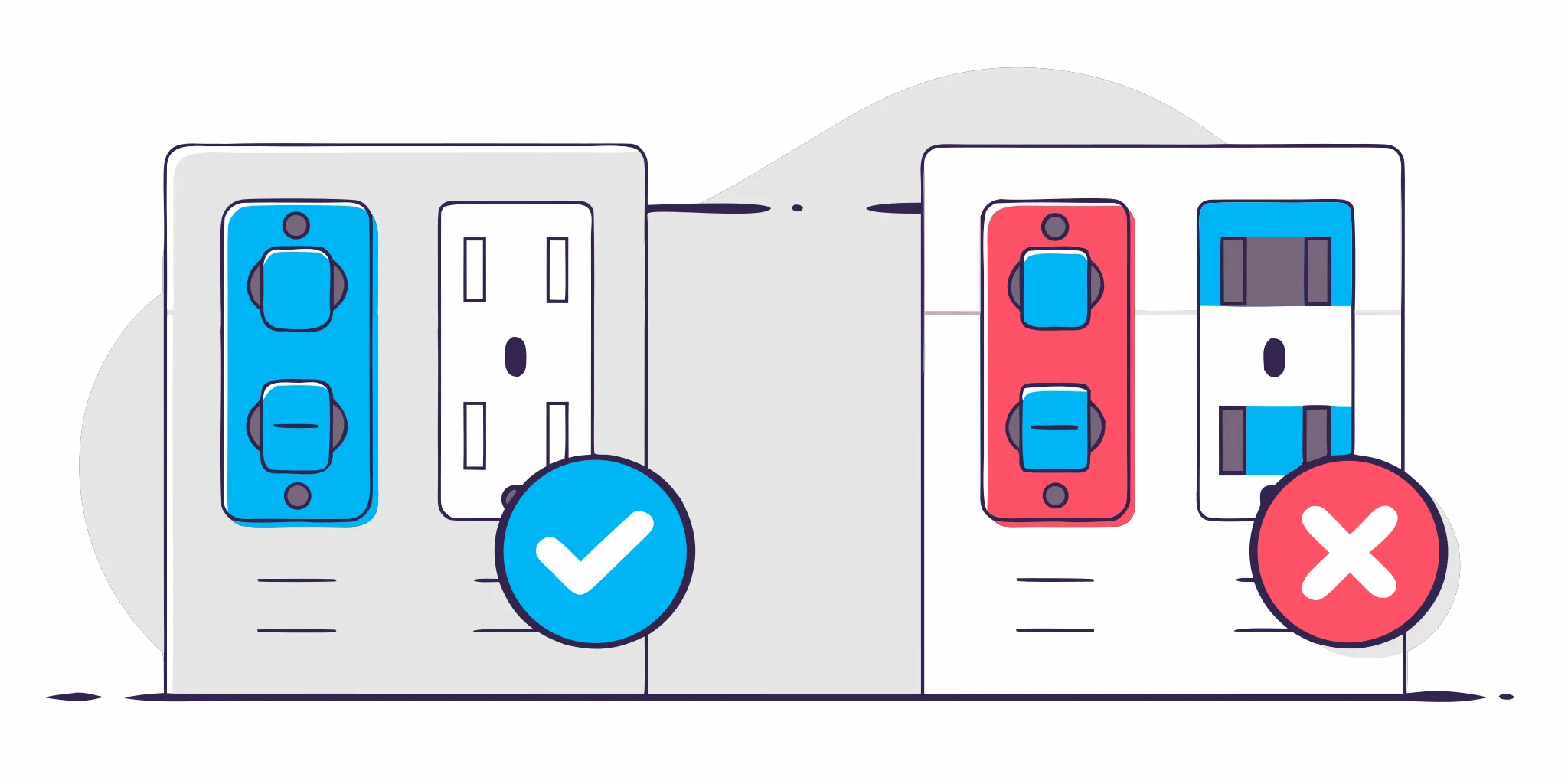
GFCIs respond to current leaks that can create shock hazards. These devices compare the current flowing through the hot and neutral conductors. When they detect an imbalance, they interrupt power in as little as one-thirtieth of a second. Building codes now require GFCI protection in bathrooms, kitchens, garages, basements, crawl spaces, and outdoor areas. If your home still has two-prong outlets in these areas, an upgrade may be overdue.
AFCI protection
AFCIs detect arcing conditions associated with damaged cords or loose connections. Arcing can generate enough heat to start a fire inside a wall cavity. Modern codes require AFCI protection in most living areas, including bedrooms, living rooms, and family rooms. A qualified electrician can verify whether your home meets current code requirements.
Electrical work must follow applicable code requirements. If your system is old, has frequent breaker trips, or needs new circuits, an inspection can identify safety priorities. My Electrician can assess your panel and recommend the appropriate repair or upgrade.
Understanding Electrical Grounding
Grounding is one of the most important safety features in a home electrical system. It provides a controlled path for fault current to travel rather than through a person, appliance, or building material. Grounding helps reduce shock risk and can help protective devices respond to electrical faults.
A properly designed system connects the electrical service to a grounding electrode system, which may include a grounding rod outside the home. The panel and related components are bonded in specific ways so that a fault has an effective path back to the source. That path helps the breaker recognize a problem and trip.
The round opening on a modern three-prong outlet is part of this safety system. Do not remove a grounding pin from a plug or use an adapter to force a three-prong plug into an ungrounded outlet. Older homes with two-prong outlets, aging wiring, or damaged devices deserve a professional evaluation.
Warning Signs Your Home Electrical System Needs Attention
Your electrical system should work quietly and reliably. Small warning signs can point to an overloaded circuit, failing connection, worn equipment, or aging wiring. Do not ignore a repeated issue simply because it seems to go away temporarily.
- Breakers that trip repeatedly: A breaker may trip during an overload, but frequent trips can also signal a wiring or appliance problem.
- Flickering or dimming lights: Ongoing flickering needs investigation. Learn more about why lights flicker when the AC turns on and what it means for your home., especially when it affects multiple areas of the house.
- Warm, discolored, loose, or sparking outlets: Stop using the outlet and arrange professional service promptly.
- Buzzing sounds from an outlet, switch, or panel: Electrical equipment should not make persistent unusual noises.
- A burning odor: Turn off power to the affected area if it is safe to do so and seek immediate help.
- New high-demand equipment: Arrange an evaluation before adding an EV charger, heat pump, or other major electrical load.
Florida homeowners should also be alert after storms and during periods of high cooling demand. Moisture, corrosion, and heavy use can expose weaknesses in an older system. A professional inspection can identify concerns before they become a more serious safety issue.
When to Call a Licensed Electrician vs DIY
Homeowners can handle a few simple electrical tasks, but the line between basic upkeep and electrical work matters. Electricity can cause shock, burns, fires, and hidden wiring damage when handled incorrectly. When in doubt, choose a licensed electrician.
Tasks homeowners can usually handle
- Change lightbulbs using the correct bulb type and wattage.
- Reset a tripped breaker once after unplugging or turning off devices on that circuit.
- Replace a damaged outlet or switch cover only when no electrical components or wiring are exposed.
Tasks that require a licensed electrician
- Any work inside the electrical panel or at the service equipment.
- Adding, moving, or troubleshooting circuits, outlets, switches, or wiring.
- Installing an EV charger, generator connection, major-appliance circuit, or panel upgrade.
- Investigating repeated breaker trips, shocks, burning odors, buzzing, or visible damage.
- Correcting outdated, ungrounded, or potentially unsafe wiring.
A professional home electrical system inspection gives you a clear picture of the equipment and safety priorities in your house. My Electrician serves homeowners from Palm Beach Gardens through Vero Beach with upfront flat-rate pricing and a 2-year written workmanship warranty. For sparking, burning smells, a damaged panel, or a total loss of power, contact us for 24/7 emergency electrical service.
Frequently Asked Questions About Home Electrical Systems
How does a home electrical system work?
Electricity enters the home from the utility service and reaches the main electrical panel. The panel divides that power into protected circuits that supply lights, outlets, switches, and appliances. Breakers monitor those circuits and shut off power when they detect an overload or fault.
What are the main components of a home electrical system?
The main components are the utility service connection, electrical meter, main panel, circuit breakers, branch circuits, wiring, outlets, switches, grounding system, and connected appliances or equipment.
What is the difference between 120-volt and 240-volt circuits?
A 120-volt circuit commonly serves lighting, standard outlets, and smaller appliances. A 240-volt circuit supplies more power for equipment such as electric ranges, clothes dryers, some water heaters, air-conditioning equipment, and EV chargers.
How do I know whether I have 100-amp or 200-amp service?
Look for the main breaker rating in the electrical panel, but do not remove the panel cover to inspect it. A licensed electrician can confirm the service size, assess the panel condition, and determine whether it supports planned electrical upgrades.
What does a circuit breaker do?
A circuit breaker is a safety switch. It interrupts power when too much current flows through a circuit or when certain fault conditions are detected. This helps protect wiring from overheating and reduces fire risk.
Keep Your Home Electrical System Safe and Reliable
Whether you are learning the basics after buying a home or responding to a warning sign, professional guidance can help you make a safer decision. My Electrician provides electrical inspections, repairs, panel services, and upgrades for homeowners from Palm Beach Gardens through Vero Beach.
Need help with your home's electrical system? Call (877) 762-7483 or Schedule Service today.
We provide upfront flat-rate pricing before work begins, and our work is backed by a 2-year written workmanship warranty. Explore our full list of electrical services or contact our team to discuss your electrical needs.