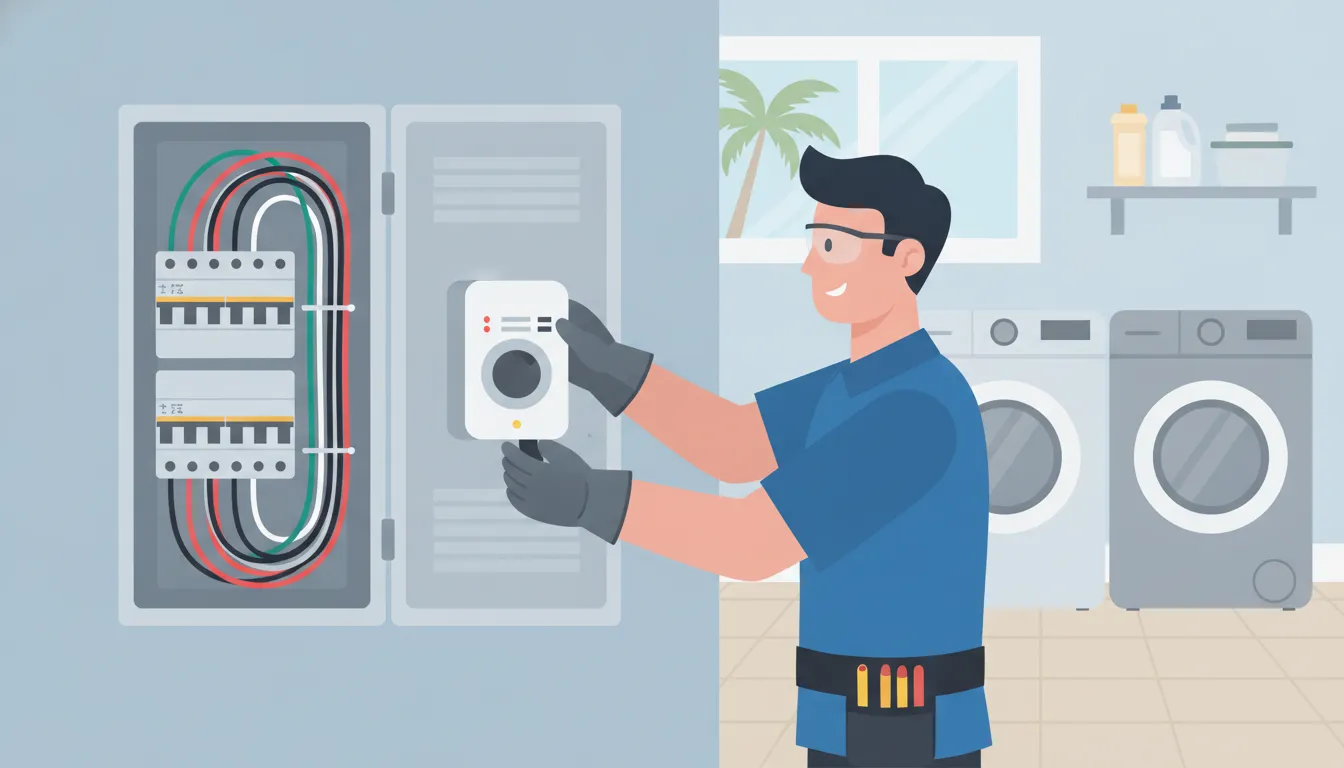
The answer to "how much does it cost to install a generator transfer switch" depends on your generator. Electrical panel, wiring route, permits, and the complexity of the work. A qualified electrician needs to evaluate those conditions before giving an accurate, upfront quote. A transfer switch is not the same as the cost of a complete generator system, and there is no responsible one-size-fits-all price.
Schedule generator installation and repair service with My Electrician FL for a clear assessment of your backup-power needs.
When the power goes out, you may simply want selected lights, appliances, or essential equipment to keep running safely. A transfer switch helps separate generator power from utility power, reducing the risk of dangerous backfeeding. The right setup depends on whether you use a portable generator or a standby unit. It also depends on how far the equipment is from the panel and whether the existing electrical system is ready for the connection.
Before adding equipment, existing concerns such as repeated breaker trips, flickering lights, buzzing, or a burning odor should be evaluated. These symptoms can point to panel or connection issues that may affect the installation scope. That evaluation also helps separate transfer-switch work from broader electrical upgrades. Homeowners in Port St. Lucie, the Treasure Coast, and the Palm Beaches can start with a professional review rather than guessing from an online price.
How Much Does It Cost to Install a Generator Transfer Switch?
So, how much does it cost to install a generator transfer switch? My Electrician FL cannot give a responsible one-size-fits-all answer without seeing the generator, electrical panel, wiring route, and property. A transfer switch is one part of a backup-power project, and the installation quote depends on the equipment and site conditions involved.
The switch creates a safe connection between the generator and selected circuits or the home's electrical system. It keeps generator power separate from utility power, helping prevent dangerous backfeeding. That work must also account for the condition and capacity of the existing panel, the conductors being used, and the requirements for permits and inspection.
A transfer switch is not the same as a complete generator installation
Some homeowners need a transfer switch added for a portable generator or an existing backup unit. That scope may include the switch, an inlet or connection point, wiring to the panel, and the labor needed to integrate the equipment safely. It does not necessarily include purchasing or installing the generator itself.
A full generator installation can involve much more. Depending on the system, the work may include selecting the generator, preparing its location. Installing fuel or electrical connections, configuring automatic operation, completing the transfer equipment, and coordinating inspections. Comparing the cost of a complete standby system with the cost of adding a transfer switch alone can therefore create an inaccurate expectation.
What an accurate quote needs to account for
An electrician will typically evaluate the transfer-switch type, generator type, panel capacity and condition, distance between equipment, wiring complexity, permits, inspection requirements, and access to the work area. A panel that needs repairs or does not have suitable capacity may require additional work before the new equipment can be connected. The generator's operating needs also determine which circuits or loads the system should support.
For homeowners in Port St. Lucie and across the Treasure Coast and Palm Beaches, the most useful next step is an on-site evaluation rather than relying on a generic online estimate. My Electrician FL can review whether you need a transfer switch alone or a broader generator installation and repair project, then explain the recommended scope and pricing before work begins.
What Factors Change the Installation Quote?
My Electrician FL bases a transfer-switch recommendation on the actual equipment, electrical system, and property conditions. Two homes can need very different work to connect backup power safely. The quote reflects the equipment you have, the condition of the electrical system, and how much installation is required at the property. These are the main factors an electrician reviews before recommending a transfer-switch setup.
Switch type and generator type
A manual transfer switch and an automatic transfer switch serve different needs. A manual setup requires the homeowner to change the power source when an outage occurs. An automatic setup can transfer selected circuits or the home to generator power without the same hands-on step. The generator itself also matters. A portable generator connection is a different project from a standby generator installation, so the switch, inlet, controls, and wiring must match the equipment.
Panel capacity and condition
Your electrical panel must be able to accommodate the planned generator connection and the circuits you want to keep operating. A larger service panel may support major loads such as central air conditioning, large appliances. Or an electric vehicle charger, but capacity should never be assumed from the panel size alone. An electrician may find limited capacity, outdated components, damaged breakers, or other concerns that need attention before new equipment is connected.
Wiring distance and the service entrance
The distance between the generator connection point, transfer switch, and panel affects the wiring route and installation complexity. A short, accessible path may require less work than a route through finished areas, around obstacles, or between separate parts of a property. The service entrance, where utility power enters the home, also needs review. The transfer equipment must separate generator power from utility power correctly so the sources cannot connect in a dangerous way. This protects utility workers from backfeeding during an outage.
Permits, inspection, and utility coordination
Permits and inspections are part of the scope when required by the local authority. Professional installation should follow applicable electrical-code requirements and leave the work ready for inspection. Utility coordination may also be necessary, depending on the service, equipment, and local requirements. These steps are not optional add-ons to ignore. They help confirm that the connection is safe and properly documented. Review the full electrical services available when a transfer-switch project also reveals broader system needs.
Site access and existing conditions
An electrician also needs to understand how easily the work area can be reached. Tight access, long cable paths, detached structures, landscaping, finished walls, or equipment placed far from the panel can change the installation approach. Sharing details about the generator location, panel location, desired circuits, and any recent electrical problems helps produce a more accurate evaluation. Because these conditions vary from home to home, an on-site review is the dependable way to define the work before installation begins.
Which Transfer Switch Setup Fits Your Generator?
My Electrician FL matches the transfer-switch setup to your generator, desired loads, and existing electrical service. A portable generator often supports a selected group of circuits through a manual process. While a standby generator is designed to work with an automatic transfer switch and a more integrated electrical system. These are different installation scopes, so the equipment already in place matters when an electrician prepares a quote.
| Setup | How it operates | Typical scope | Homeowner considerations | Questions to evaluate |
|---|---|---|---|---|
| Manual and portable-oriented | A homeowner starts the portable generator and manually changes the approved source of power using the installed transfer equipment. | May involve a generator inlet, transfer switch or approved interlock arrangement, selected-circuit planning, and wiring between the generator connection point and the electrical panel. | You must be available to operate the generator during an outage. Fuel storage, safe outdoor placement, weather exposure, and the number of circuits supported all need attention. | Which circuits are essential? Is the portable generator compatible with the setup? Can the generator be placed safely and connected without extension-cord overloads? |
| Automatic and standby-oriented | The standby generator and automatic transfer switch coordinate to detect a utility outage, start the generator, and transfer approved loads without the same manual steps. | Often includes a permanently installed generator, automatic transfer switch, service or panel connections, grounding and bonding review, and an assessment of the wiring path and available capacity. | The system needs an appropriate location, clearances, maintenance planning, and compatibility with the home's existing electrical service. The installation may affect more of the electrical system than a portable connection. | What loads should remain powered? Does the existing panel support the planned equipment? Are permits, inspections, or utility coordination required for this property? |
Neither setup is universally better. A manual arrangement may suit someone who wants selected circuits and is comfortable managing equipment during an outage. An automatic arrangement may fit a homeowner who wants less hands-on operation and a permanently integrated backup system. The transfer switch, generator, panel condition, wiring distance, permits, and site conditions determine the actual work. A professional evaluation can confirm which approach matches your home and help keep generator power separated from utility power safely.
What Happens During a Professional Installation Evaluation?
My Electrician FL starts an installation evaluation with your home, generator plans, and essential loads. If you want selected rooms, appliances, or your whole home to stay powered during an outage, the evaluation should begin with your actual home and generator plans. A professional does more than identify a transfer switch model. They review how the equipment will connect safely, what the existing electrical system can support, and what approvals may be required. That process gives you a quote based on the work your property needs rather than a guess based on a standard package.
Review the generator and the loads you want to power. The electrician discusses whether you are planning to use a portable generator or a standby unit, then identifies the circuits that matter most to your household or business. That may include refrigeration, heating or cooling equipment, medical needs, lighting, or selected outlets. The goal is to match the transfer-switch setup to the generator and the loads, instead of assuming every circuit should operate at once.
Inspect the electrical panel and service. The panel's capacity, condition, available spaces, main disconnect, grounding, and bonding all affect the installation plan. The electrician also considers the location of the generator, panel, and potential transfer switch. A home with an older or crowded panel may need a different approach than a newer installation. These details can change the materials, wiring, and scope included in the quote.
Plan the wiring and safety controls. The transfer switch must keep generator power separate from utility power so the system does not backfeed electricity onto utility lines. The electrician maps the conductor route, connection points, equipment placement, and any needed protection. Electrical work should be performed only by qualified persons, and circuits must be de-energized before service. See the CDC and NIOSH electrical safety guidance for that safety principle.
Account for permits, inspection, and utility coordination. Depending on the equipment and local requirements, the project may involve permits, an inspection, or coordination with the utility. A professional evaluation identifies those steps before work begins and plans for NEC-compliant installation, grounding and bonding, and required verification. This helps prevent avoidable surprises after the equipment is installed.
Explain the quote and what it includes. The final conversation should connect the recommended setup to your generator, panel, wiring path, site conditions, and selected circuits. Ask which equipment and labor are included, whether permit or inspection work is part of the scope, and what assumptions the quote makes. A clear explanation lets you compare options based on safe functionality and long-term fit, not just the transfer switch itself.
What Homeowner Symptoms Should Be Checked First?
My Electrician FL recommends checking existing electrical symptoms before adding generator equipment. Frequent breaker trips, flickering or dimming lights, buzzing sounds, a burning odor, or visible sparking can point to a panel or connection concern. These symptoms should be evaluated first because a transfer switch connects backup power to the home's electrical system. Existing problems may affect the safety, scope, or suitability of that work.
What do repeated breaker trips or dimming lights mean?
A breaker that trips once may have responded to a temporary overload. Repeated trips deserve closer attention, especially when they occur while using major appliances or when several circuits show unusual behavior. Lights that flicker, pulse, or dim when equipment starts can also signal an electrical issue that needs professional evaluation. My Electrician FL can investigate these warning signs through its electrical repair service before backup equipment is connected. Do not assume that adding a generator or transfer switch will solve the underlying problem. The panel, service capacity, wiring, and connections should be reviewed as part of the installation assessment.
When are buzzing, burning smells, or sparks urgent?
Buzzing near a panel, outlet, switch, or other electrical equipment should not be ignored. A burning smell is more urgent, particularly if it is accompanied by warmth, discoloration, smoke, or a change in how a circuit operates. Visible sparks are also a reason to stop using the affected equipment and seek professional help promptly. If there is smoke or an active fire, leave the property and call emergency services. Otherwise, contact a qualified electrician for urgent guidance rather than attempting to diagnose the problem yourself. My Electrician FL also offers 24/7 emergency electrical service for urgent electrical concerns.
Never remove the panel cover or reach inside the electrical panel to investigate. Even when a main breaker appears to be off, dangerous voltage may still be present. Avoid resetting a breaker repeatedly, and keep people away from damaged outlets, switches, or wiring until the area has been assessed. A professional can determine whether repairs, panel work, or changes to the planned transfer-switch installation are needed.
Generator safety also depends on where the equipment is installed, not only on how it is connected. Review guidance on generator installation and repair service before choosing an installation location. For homeowners in Port St. Lucie and across the Treasure Coast and Palm Beaches, addressing warning signs early helps create a safer foundation for dependable backup power.
How Can You Get an Accurate Transfer-Switch Quote?
To get an accurate transfer-switch quote from My Electrician FL, start with clear information about your home, generator, and goals. Before contacting an electrician, gather the generator manufacturer and model, and note whether it is a portable unit or a standby generator. If you are still comparing equipment, say so. The right transfer-switch setup depends on the generator and how you want to use it.
Prepare details about your electrical system
Think through which circuits you want to keep powered. You may want refrigeration, selected lighting, internet equipment, medical devices, or heating and cooling, but the final circuit selection must match the equipment and available electrical capacity. If you know the approximate age of your panel, include it. Also mention symptoms such as frequent breaker trips, flickering lights, buzzing, or an unusual odor. Existing concerns can change the work needed before generator equipment is connected.
Explain the installation conditions
Share where the generator and transfer switch are located, or where you would like them placed. The distance between the generator, electrical panel, and transfer switch can affect the wiring path and installation complexity. Photos of the panel, service equipment, and proposed generator location may help an electrician understand the site before the visit. But do not remove the panel cover or attempt to inspect live equipment yourself.
Tell the electrician about previous electrical work, generator work, permits, inspections, or changes to the service. Ask whether the proposed scope includes the transfer switch, wiring, grounding and bonding review, permits, inspection coordination, and testing. You can also ask which circuits will be included, what assumptions the quote uses, and what would require a change in scope.
Choose a quote based on the actual scope
There is no universal answer to how much does it cost to install a generator transfer switch because equipment and site conditions vary. My Electrician provides upfront, flat-rate pricing before work begins, after evaluating the details that affect the installation. That approach helps homeowners in Port St. Lucie and across the Treasure Coast and Palm Beaches understand what the work includes before approving it.
For help planning a safe connection, learn more about generator installation and repair, or request an evaluation so the quote reflects your property rather than a generic estimate.
Schedule Service for an accurate transfer-switch evaluation and upfront quote.
Frequently Asked Questions
What is the average cost to install a generator transfer switch?
There is no reliable one-size-fits-all price for this work. The quote depends on whether you need a manual or automatic switch, the generator it must work with. The condition and capacity of your electrical panel, the wiring route, and the permits or inspections required. A transfer switch installation is also different from purchasing and installing the generator itself. An electrician should evaluate the equipment and home before giving you a clear, itemized quote.
Can I install a generator transfer switch myself to save money?
DIY installation is not a safe shortcut. The work can involve the main electrical panel, service conductors, grounding, and the connection between utility and generator power. An incorrect connection can allow dangerous backfeeding into utility lines. Have a qualified electrician handle the installation, and do not open the panel or attempt wiring if you are not trained and authorized to perform electrical work.
What factors influence the total cost of transfer switch installation?
The largest variables are the switch type, generator type, available panel capacity, existing wiring, and the distance between the generator connection point and the panel. The electrician may also need to account for an older or damaged panel, conductor upgrades, difficult access, permits, inspections, grounding and bonding, and utility coordination when applicable. These details explain why two homes with similar generators can receive different quotes.
Do I need a licensed electrician for transfer switch installation?
Professional installation is the appropriate choice because the transfer switch must separate generator power from utility power and connect safely to the home's electrical system. The work should meet applicable electrical requirements and support the required inspection process. A qualified electrician can also identify panel concerns, such as frequent breaker trips, flickering lights, buzzing, or burning odors, before adding backup-power equipment.
How long does it typically take to install a generator transfer switch?
The time depends on the equipment, wiring path, panel condition, access, and whether permits or inspections are involved. A straightforward setup may require less time than a project involving panel corrections, longer conductor runs, or additional coordination. Ask for the expected work sequence after the evaluation rather than relying on a universal timeline. Your electrician can explain what must happen before, during, and after the installation.
Ready to Plan Safer Backup Power?
An evaluated quote can clarify which transfer-switch setup fits your generator, electrical panel, and home's existing wiring. My Electrician FL can review the project details and explain the recommended scope without relying on a one-size-fits-all estimate. Schedule Service for an evaluated quote: call 877-762-7483.