
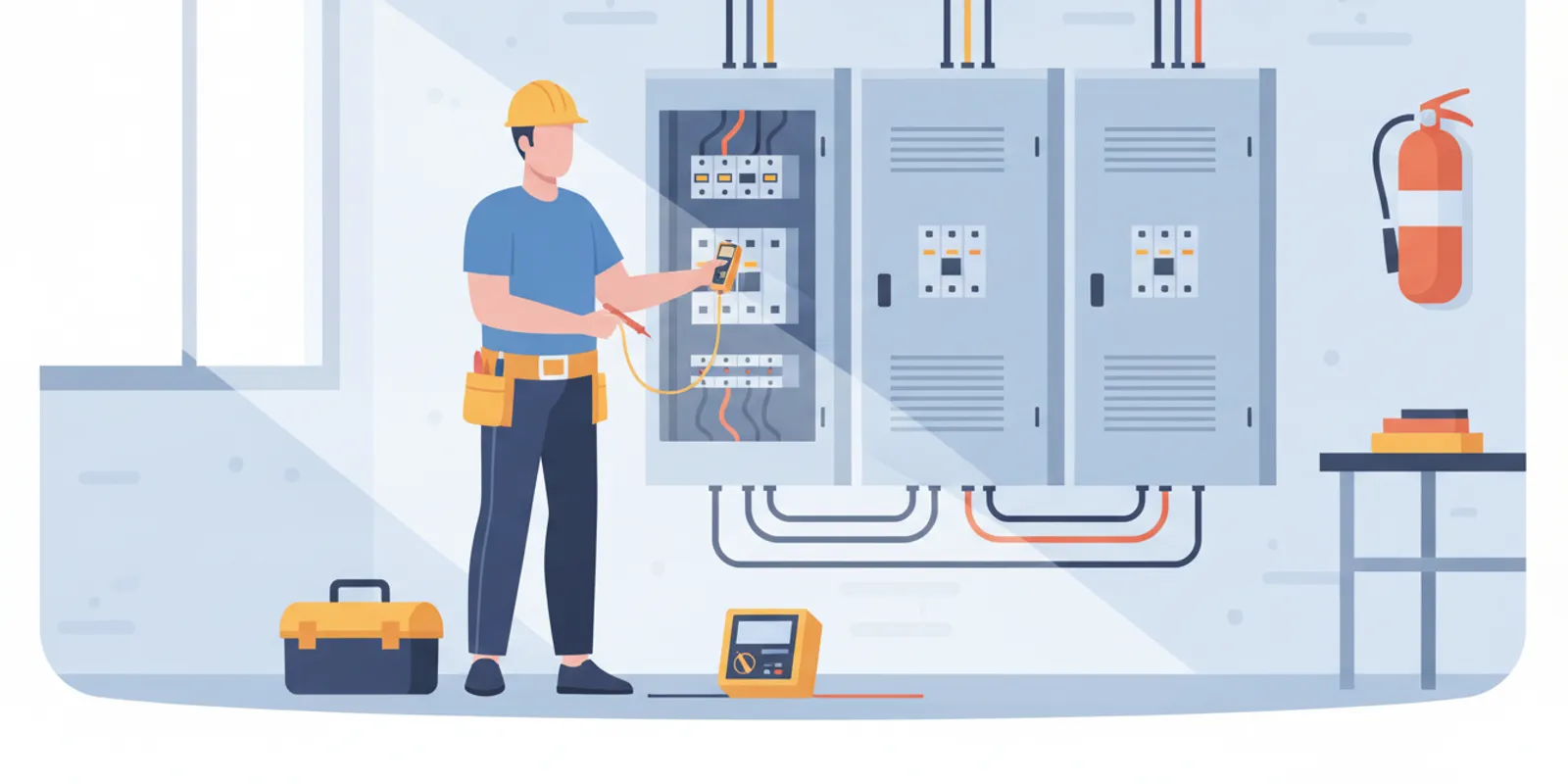
When lights flicker, equipment resets, or a business experiences unexplained electrical interruptions, power quality analysis services may help clarify what is happening. A well-scoped assessment looks at electrical conditions over time and relates readings to equipment and symptoms. It does not automatically prove that one device or utility supply is at fault, but it can give an electrician better information for diagnosis.
Schedule an electrical service visit
What does power quality analysis examine?
Power quality is a broad term for how electrical power behaves where equipment uses it. Depending on the complaint and tools used, an assessment can examine voltage levels, changes over time, current, load patterns, and events such as brief dips or interruptions. The electrician needs to choose measurements that fit the concern; there is no single reading that explains every electrical symptom.
For example, a motor that struggles to start raises different questions from lights that dim when a large appliance switches on. A point-in-time voltage reading may be useful, but it may miss a brief event that happens only during a production cycle or at a certain time of day. Monitoring for an appropriate period can help connect a recorded condition with the time equipment misbehaved.
Analysis is not a substitute for checking wiring, connections, protective devices, circuit capacity, or equipment condition. It is one diagnostic approach within a broader electrical service evaluation. Where the issue appears tied to a particular machine, the equipment manufacturer or a qualified service technician may also need to be involved.
What symptoms make an assessment worth discussing?
Consider discussing an electrical assessment when a recurring symptom affects operations or remains unexplained after basic equipment checks. Useful examples include:
- Lights that dim or flicker when equipment starts or changes operating mode.
- Computers, controls, or other sensitive devices that reset unexpectedly.
- Motors that overheat, operate inconsistently, or trip protective devices.
- Repeated equipment faults that seem to occur at the same time as electrical events.
- Different areas of a building experiencing related issues, rather than one isolated fixture.
These symptoms can have several causes, including a failing device, a loose or damaged connection, an overloaded circuit, or an issue outside the building. Keep a record of what happens and avoid assuming that a power quality problem is the cause before the electrical system and affected equipment are evaluated. If the issue is limited to a light fixture, a focused lighting repair assessment may be a sensible starting point.
What should you decide before scheduling?
Define the problem as precisely as possible. Note which equipment is affected, whether the issue is continuous or intermittent, and what else is operating when it occurs. If you manage a business, identify the operational impact: downtime, interrupted transactions, spoiled materials, or a safety concern. This helps the electrician determine whether monitoring or another diagnostic step is appropriate.
Gather equipment names and model information, relevant alarm codes, maintenance records, and any dates or times associated with the symptoms. If several devices are affected, list them and note whether they share a circuit, area, or operating schedule. Do not open electrical equipment or attempt measurements yourself. The facility contact can help provide safe access and explain normal operating conditions.
| Preparation item | What to provide | Why it helps |
|---|---|---|
| Symptoms | What happened, where, and how often | Helps narrow the diagnostic questions |
| Timing | Dates, times, and operating conditions | Can guide monitoring duration and equipment selection |
| Affected equipment | Names, models, alarms, and service history | Connects electrical observations with equipment behavior |
| Building access | Panel locations, escort needs, and operating schedule | Allows safe, practical planning for the visit |
How does an investigation usually proceed?
The exact process depends on symptoms, building, and diagnostic scope. A typical investigation starts with a discussion and visual review, followed by appropriate measurements and an explanation of findings. The electrician may need to inspect the relevant panel, circuits, connections, and loads. If an issue occurs intermittently, monitoring can be considered so data covers the conditions in which the problem appears.
- Describe the concern. Share the timeline, affected equipment, and operating conditions linked to the symptom.
- Review the electrical context. Identify relevant supply, panels, circuits, and loads, while noting recent changes or repairs.
- Select suitable measurements. The electrician determines which readings or monitoring approach can answer the question safely.
- Compare observations with symptoms. Timing and operating conditions matter; interpret measurements in context, not isolation.
- Discuss next steps. Findings may point toward repair, further testing, equipment service, or coordination with the utility or another qualified party.
Ask what the proposed assessment covers, where measurements will be taken, whether monitoring is included, and what written findings you will receive. If the issue involves a safety hazard, burning odor, visible damage, or hot electrical equipment, treat it as urgent rather than waiting for routine analysis. A qualified electrician can assess the immediate condition through electrical repair service.
What can the results tell you?
Readings can help establish whether an observed electrical condition coincides with equipment symptoms and whether more investigation is warranted. They may help distinguish a building-side concern from an equipment-specific problem, but cannot guarantee a particular outcome or identify a cause without adequate evidence. Intermittent problems are especially challenging when they do not occur during the measurement window.
A useful report should explain what was measured, where and when it was measured, the conditions during the test, and any limitations. It should separate observed facts from recommendations. Ask for plain-language answers: Was an abnormal condition recorded? Does it match the reported time or equipment behavior? What additional inspection or repair is recommended, and who should perform it?
Some findings may justify inspecting a circuit or connection more closely. Others may require checking equipment documentation or coordinating with the utility. If symptoms occur across multiple circuits or appear to originate upstream, the electrician can explain what evidence supports the next step. Do not treat a single snapshot as proof that a complex, intermittent issue has been resolved.
How do diagnostic approaches compare?
The right approach depends on how often the symptom occurs and how localized it is. A visual inspection and basic checks may be a sensible starting point for a clear, constant problem. Recording measurements over time may be more useful when the event is brief or tied to a specific operating schedule. Ask the electrician to explain the scope before work begins rather than choosing a test by name alone.
| Approach | Best suited to | Important limitation |
|---|---|---|
| Visual and system review | Visible concerns or a clear, ongoing symptom | May not capture a brief event |
| Point-in-time measurements | Checking conditions during a visit | Cannot show what happened outside that moment |
| Time-based monitoring | Intermittent symptoms linked to operating cycles | Results depend on location, duration, and conditions observed |
| Equipment-focused service | A fault isolated to one machine or device | May not assess the building electrical system broadly |
How can you use a symptom log?
A short, consistent log can turn a vague complaint into a practical diagnostic lead. Record the date and time, the affected device or area, what the equipment was doing, and whether other loads were starting or stopping. Note whether the interruption was momentary or sustained and whether anyone saw an alarm or error message. Avoid guessing at a technical cause; describe what you observed.
For example, a manager might note that a control system restarted during the morning startup sequence on three separate days, while nearby lighting remained steady. That pattern does not prove the startup equipment caused the reset, but it gives the electrician a repeatable time window to discuss. If the event happens only during a weekly process, tell the electrician before monitoring begins so the schedule can be considered.
Keep the log alongside maintenance records, equipment service notes, and any changes to the building or machinery. If different staff members report symptoms, ask them to use the same basic format. Consistent observations are easier to compare than descriptions gathered after the fact. Share only relevant information and follow workplace privacy and safety procedures.
How do you plan monitoring around normal operations?
Monitoring is useful only when the measured conditions reflect the question being investigated. Before it begins, identify which equipment normally runs, whether production changes by shift, and whether the symptom is linked to a predictable cycle. The electrician can use that context to discuss a suitable measurement location and period. No fixed duration fits every intermittent problem.
Do not deliberately create an unsafe condition or operate equipment outside its instructions to make an event happen. Coordinate access with the person responsible for the site and make sure staff know what activity should continue as usual. If a process must be paused for safety or operational reasons, tell the electrician; the absence of normal load conditions can affect what the measurement period shows.
Ask how equipment will be installed and removed, whether access to a panel or area is needed, and who should be contacted if the facility schedule changes. Also ask what happens if no relevant event occurs during monitoring. The answer may be to review the results, change the monitoring window, or consider another diagnostic step, rather than claiming the issue is absent.
What safety and local requirements should you keep in mind?
Electrical testing inside panels and energized equipment can expose workers to serious hazards. Leave electrical measurements and access to qualified professionals. Tell the electrician about site rules, restricted areas, sensitive operations, and procedures needed before equipment is approached. Never remove a panel cover or probe a circuit to collect data on your own.
Rules for permits, inspections, and electrical work can depend on the work performed and local requirements. The USAGov guide explains how to find a local government website, where residents can look for local services and information: find your local government. For a specific project, ask the contractor which authority having jurisdiction applies and whether approval is needed; do not assume a diagnostic visit and a repair have identical requirements.
What should a business ask before approving work?
Before approving an assessment, make sure both sides agree on the question the work is intended to answer. Confirm the areas and equipment in scope, whether monitoring is proposed, access and scheduling needs, and how results will be presented. Ask whether repairs are separate from diagnostic work and what approval is required before additional work begins.
- Which symptoms and equipment will the assessment address?
- Will measurements be taken once or recorded over time?
- What operating conditions should be maintained during monitoring?
- What limitations could keep the test from capturing the event?
- Will the findings include observations, recommendations, and suggested follow-up?
For a commercial site with ongoing operational needs, commercial electrical service can be discussed alongside the diagnostic question. If an assessment identifies a repair need, clarify the proposed work and its scope before authorizing it. Review the company's background when deciding whom to contact, or see the available electrical services to determine what kind of visit to request.
How can you work through a sample case?
Suppose an office reports that several computers restart during a recurring afternoon process, while lights appear normal. Start by listing the affected computers, their locations, and whether they share a circuit or network equipment. Record the exact restart times and note other electrical loads that were active. This helps distinguish a broad building symptom from a problem tied to one device or process, without deciding the cause in advance.
Next, share the records with an electrician and ask whether a system review, targeted measurements, or time-based monitoring best fits the pattern. If monitoring is proposed, make sure the ordinary process will take place during the planned window, subject to safe operation and the electrician's instructions. Ask where readings will be taken and what the monitoring can and cannot establish.
When results are reviewed, compare the recorded times with the restart log. A coincidence can guide follow-up, but it does not by itself prove a cause. If no event was captured, determine whether the observation window included representative operations. The next step could be a closer circuit inspection, equipment service, a revised monitoring plan, or coordination with another party, depending on the evidence.
What should you review before work begins?
Use a brief scope check before the appointment: the specific complaint, affected equipment, access arrangements, business schedule, safety rules, and the person authorized to approve further work. Confirm how the electrician will communicate findings and whether the visit is diagnostic only or may include repairs with separate approval. If more than one contractor or equipment specialist is involved, clarify who will share information and coordinate follow-up.
For businesses, plan for staff questions and operational interruptions. Tell employees not to move test equipment or open electrical enclosures. Identify who can answer questions about normal equipment cycles and who should receive the final explanation. If the affected area has restricted access, arrange an escort in advance rather than delaying the visit.
These simple arrangements do not guarantee that an intermittent event will occur during the assessment. They do make the visit more focused and help everyone understand the limits of what can be concluded from the available observations.
Frequently asked questions
Is power quality analysis only for large facilities?
No. The need depends on the symptoms and electrical system, not simply the building's size. A small business may have a recurring equipment issue worth investigating, while a larger building may need a different scope. An electrician can help determine whether analysis is appropriate.
Can a test identify every cause of flickering lights?
No. Flickering can result from several conditions, including a fixture problem, a circuit issue, or a change associated with equipment starting. The symptom and its timing help guide inspection; testing must be interpreted with the rest of the electrical system and equipment in view.
How long does monitoring take?
There is no universal duration. It depends on how often the event occurs, what operating cycles must be observed, and the diagnostic scope. Share the frequency and timing of the problem so the electrician can discuss a useful monitoring plan.
Should we shut down equipment before the visit?
Do not change operating conditions without discussing it with the electrician and the person responsible for the equipment. If the symptom is tied to normal operations, relevant operating information may help the evaluation. Follow site safety procedures and the electrician's instructions.
Talk with an electrician about your symptoms
A clear symptom history and a well-defined diagnostic question make it easier to choose a safe, useful next step. Record what you observe, avoid opening electrical equipment, and ask a qualified electrician to explain the proposed scope before work begins.