
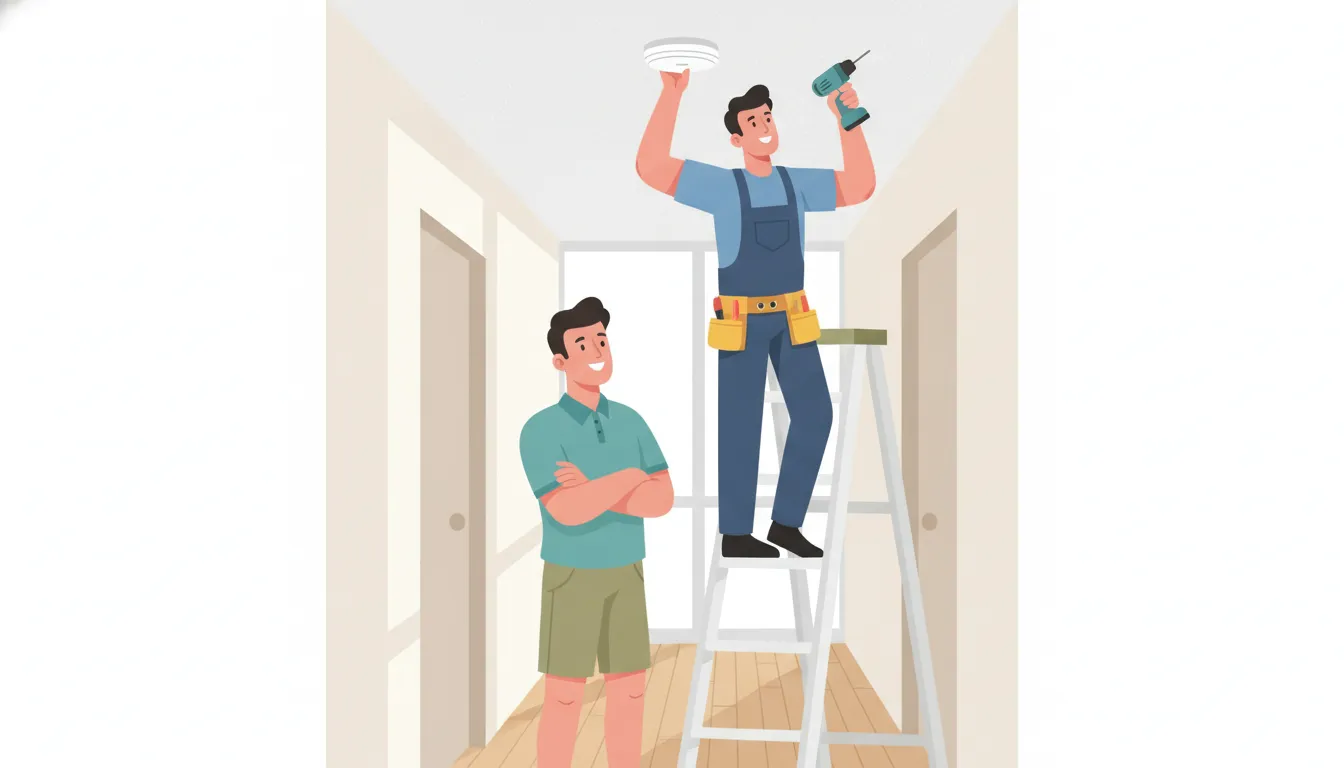
A detector that chirps at night, flashes a low-battery warning, or has been ignored for years is more than a nuisance. In a Port St. Lucie home, heat, humidity, renovations, and aging electrical systems can all make reliable fire protection worth a closer look.
Professional smoke detector installation includes choosing safe locations, securing the right alarm type, connecting hardwired units when needed, testing every device, and explaining ongoing maintenance. The need is real: NIST research reports that about 20% of homes with alarms have units that do not operate, while working alarms could reduce residential fire deaths by approximately 36%.
Whether you are replacing outdated alarms, updating an older Treasure Coast home, or planning ahead for your family, the quality of the installation matters. A licensed electrician can assess the home as a system and help ensure each alarm supports the others. Giving your household a better chance to recognize danger and get out safely.
Professional Smoke Detector Installation Protects Your Family
A smoke alarm that chirps in the middle of the night is easy to ignore. Especially when the home is quiet and there is no visible sign of danger. A dead unit may be even harder to notice. It can sit on the ceiling for years, looking reassuring, while missing batteries, age, dust. Wiring problems, or poor placement leave your family with little warning when every second matters.
Having alarms in the house is not the same as having dependable protection. The National Institute of Standards and Technology reports that smoke alarms are installed in 96% of U.S. homes. But approximately 20% of homes with alarms have at least one non-operational unit. NIST also estimates that working smoke alarms could reduce residential fire deaths by about 36%, potentially saving roughly 1,100 lives each year. Read the NIST smoke alarm research for the underlying findings.
That difference between present and operational is critical. NIST data shows that 34% of civilian fire deaths occurred in homes with operating smoke alarms. Compared with 22% in homes where alarms were present but failed to operate and 43% in homes with no alarms. An alarm that is mounted incorrectly, disconnected, out of date, or unable to communicate with the rest of the system may create a dangerous sense of security.
Installation affects how quickly your family receives a warning
Professional installation looks beyond whether a detector powers on. An electrician evaluates the home's layout, identifies the right locations, checks the condition of existing wiring. And confirms that each unit is securely mounted and able to function as intended. In a hardwired system, correct connections matter because one loose or incomplete connection can affect reliability throughout the home.
Interconnection is another important safety feature. When interconnected alarms are installed correctly, one detector sounding causes the others to sound as well. That can alert someone in a bedroom, upstairs area, or other part of the house sooner than a single isolated alarm. The National Fire Protection Association explains that interconnected smoke alarms give people more time to escape. NFPA guidance on installing and maintaining smoke alarms also covers placement and ongoing testing.
Professional smoke detector installation helps turn individual devices into a coordinated warning system. It also gives you an opportunity to address nuisance alarms, aging equipment, and gaps that are easy to overlook during a rushed replacement.
Need dependable protection throughout your home? Schedule professional smoke detector installation.
For homeowners in Port St. Lucie and across the Treasure Coast, the goal is straightforward: make sure an alarm is where it should be. Works when needed, and can be heard quickly by everyone in the home. A properly installed system supports that goal before an emergency begins.
Do You Need an Electrician to Install Smoke Detectors?
It depends on the type of smoke detector and what is already installed in your home. A battery-powered unit can often be mounted as a straightforward homeowner replacement, provided it is placed correctly and tested after installation. A hardwired detector is different. It connects to the home's electrical wiring, so the work involves more than attaching a mounting bracket and inserting a battery.
Hardwired smoke detectors should be installed by a licensed electrician so the wiring meets local safety codes and the alarms operate reliably. In Florida, newer homes often require hardwired smoke alarms with battery backup, although the exact requirements can depend on the home's age, construction, and local code enforcement. If you are unsure which system your home needs, a professional can evaluate the existing equipment before you purchase replacement units.
When a battery-powered detector may be a simple replacement
If you are replacing a battery-powered detector with the same type. The project may be limited to installing the new unit according to the manufacturer's instructions, using the correct fresh battery, and pressing the test button. Even then, placement matters. Smoke alarms should be installed on every level, inside each bedroom, and outside sleeping areas. A detector that is still in its package or sitting on a shelf cannot protect anyone. One CDC report found that nearly 5% of owned detectors were not reported as installed. Which is a useful reminder to confirm that every unit is actually mounted and operating: review the CDC smoke detector findings.
When you should call a licensed electrician
- Installing or replacing hardwired units: The electrician can verify the circuit, connections, grounding, and battery backup rather than leaving an unsafe or unreliable connection.
- Connecting a new detector to existing cabling: Older wiring, damaged conductors, or incompatible units may require correction before the alarm can be installed safely.
- Interconnecting multiple alarms: Interconnected alarms are designed to sound together when one detects smoke. Testing the communication between units is essential, especially after a replacement or remodel.
- Working in an older home: A home rewire, past electrical work, or outdated alarm system can create issues that are not apparent from the detector faceplate.
- Preparing for an inspection or sale: A licensed professional can identify missing units, wiring concerns, and other electrical safety issues before they become a code or closing problem.
For help choosing, replacing, or connecting your alarms, see professional smoke detector installation. If the condition of the home's wiring is unclear, an electrical safety inspection can provide a broader review before installation work begins.
How Much Does Smoke Detector Installation Cost in Florida?
The cost of smoke detector installation in Florida depends on the condition of your home, the type of alarms selected, and how much electrical work the project requires. A straightforward replacement is a different job from designing and wiring an interconnected system across multiple floors. An honest estimate should reflect those differences rather than rely on a one-size-fits-all price.
For example, replacing a single battery-powered unit with a compatible alarm may involve little more than the cost of the device when the homeowner handles the replacement. That situation changes when alarms are hardwired, interconnected, difficult to access, or outdated. A licensed electrician may need to inspect existing connections, remove old equipment, run new cabling. Add compatible units, or correct wiring concerns before the system can be completed safely.
What factors affect the final price?
- Alarm type: Battery-powered alarms generally require less installation work than hardwired models. Hardwired units with battery backup can require electrical connections and careful testing.
- Number of alarms: Installing one replacement unit is typically less involved than updating every required location in a home. The number of floors, bedrooms, and sleeping areas affects the total scope.
- Interconnection: In an interconnected system, one alarm can signal the others. If the existing alarms are not compatible or the wiring is missing, the electrician may need to install or modify cabling between units.
- Condition of existing wiring: Older homes may need additional troubleshooting, replacement wiring, or corrections before new alarms can be connected reliably.
- Access and labor: High ceilings, finished areas, attic access, and other site conditions can change the time and materials required for the work.
Florida homes also vary widely in age and construction. A newer property may already have suitable wiring and locations in place, while an older home may need a more thorough assessment. The right approach is to evaluate the existing system, confirm which alarms are appropriate, and explain the work before installation begins.
My Electrician FL uses transparent flat-rate pricing so you can understand the recommended work before it is performed. For an exact out-the-door quote based on your home and alarm needs, Schedule Service. You can also request a free quote through the contact page.
Where Should Smoke Detectors Be Placed in Your Home?
The best placement follows the way your household actually lives and moves through the home. Think about every bedroom, the hall outside sleeping areas, the kitchen, the basement, and any level someone may occupy or pass through at night. A detector that is mounted correctly but missing from a sleeping area can leave a dangerous gap in coverage.
- Every level: Install smoke alarms on every level of the home, including the basement. Basements with laundry equipment, furnaces, water heaters, or other heating equipment deserve particular attention because they are higher-risk areas. A basement alarm can alert occupants before smoke travels upstairs.
- Inside every bedroom: Each bedroom should have its own alarm. This is especially important when family members sleep with doors closed, use white-noise machines, or may not hear an alarm located only in a hallway.
- Outside sleeping areas: Place an alarm in the hallway or other area immediately outside each group of bedrooms. This provides an early warning for people who are sleeping, getting ready for bed, or moving through the home at night.
- Ceilings and high walls: Because smoke rises, mount alarms on the ceiling whenever practical or high on a wall. Wall-mounted units should be at least 4 inches from the ceiling. Follow the specific mounting instructions supplied with the alarm and avoid corners where airflow may be limited.
- Near, but not in, the kitchen: Keep a smoke alarm at least 10 feet from a stove or other cooking appliance. Cooking fumes can trigger nuisance alarms, and repeated false alarms may tempt someone to remove or disable the unit. Bathrooms can create a similar problem because steam may affect the sensor. So avoid placing alarms immediately outside a bathroom or in a humid location when another suitable position is available.
Why interconnected coverage matters
Placement is only part of a complete safety plan. Interconnected smoke alarms are designed so that when one unit detects smoke, all connected units sound. That means someone in an upstairs bedroom may hear an alarm that began in the basement or kitchen area. The National Fire Protection Association recommends interconnected alarms because they can give occupants more time to escape.
Florida's coastal humidity also deserves consideration. High humidity can affect sensor performance and contribute to nuisance alarms, particularly when a detector is installed near steam, exterior openings, or other damp areas. If an alarm repeatedly sounds without visible smoke, do not simply remove its battery. Check its location, clean it according to the manufacturer's instructions, and have a professional evaluate hardwired placement or wiring when needed. A thoughtful professional smoke detector installation can help your system provide dependable coverage without creating avoidable false alarms.
Can You Install a Smoke Detector by Yourself?
Sometimes, yes. Replacing the battery in an existing alarm or swapping a battery-powered detector onto its existing mounting bracket can be a reasonable task for a confident homeowner. The important distinction is whether the work involves only the alarm unit or changes to the home's electrical wiring. Battery-powered alarms are generally easier to install, but they still require a strict, consistent battery replacement schedule. NFPA guidance recommends testing smoke alarms at least once a month and replacing batteries at least once a year, unless the manufacturer provides different instructions.
| Consideration | Battery-powered detector | Hardwired detector |
|---|---|---|
| Installation | Mount on bracket, insert fresh battery, test | Connect to home wiring, junction box, battery backup |
| Typical team | Confident homeowner can often handle a like-for-like swap | Licensed electrician for code-compliant connections |
| Interconnection | Not built in; may pair by model | Can be wired so one alarm sounds them all |
| Power source | Replaceable or sealed 10-year battery | Home circuit plus backup battery |
| Best suited to | Simple swaps, rentals, quick upgrades | New construction, renovations, whole-home coverage |
| Maintenance | Test monthly, replace battery at least yearly | Test monthly; have wiring checked by a professional |
For a simple battery-powered replacement, start by reading the manufacturer's instructions. Confirm that the new detector is the correct type for the existing bracket. Install a fresh battery of the exact recommended type, and press the test button before relying on it. Never mix old and new batteries, and do not substitute a different battery type just because it fits. Missing or dead batteries are the primary reasons smoke alarms fail to operate, according to NIST research.
When is a battery-powered replacement safe to DIY?
A homeowner can usually handle a like-for-like battery alarm replacement when there are no wires to connect. No new electrical box to install, and no changes to an interconnected system. Sealed alarms with 10-year batteries can also reduce the need for routine battery changes, which is convenient for homeowners who have difficulty reaching ceiling-mounted units. Even with a sealed-battery model, test the alarm monthly and follow the manufacturer's replacement instructions.
Do not treat a battery alarm as a reason to ignore placement. Alarms should be located on every level, inside each bedroom, and outside sleeping areas. They should generally be mounted on the ceiling or high on a wall, with the manufacturer's spacing instructions followed carefully. A poor location can lead to delayed detection or nuisance alarms, which may tempt someone to disable the unit.
Why should an electrician install hardwired or interconnected alarms?
Hardwired smoke detector installation can involve live electrical circuits, junction boxes, circuit protection, and communication wiring between multiple alarms. Interconnected systems are designed so that when one alarm sounds, all connected alarms sound. That added coverage is valuable, but the wiring must be installed and tested correctly. Never attempt live wiring without the training and equipment to identify, isolate, and verify a de-energized circuit.
Hardwired alarms should be installed by a licensed electrician so the work meets applicable safety and building-code requirements. Florida homes, particularly newer construction, may require hardwired alarms with battery backup. Requirements can depend on the home's age, existing system, and scope of work, so a professional can assess the setup instead of guessing. If you need help with professional smoke detector installation, an electrician can also verify the alarm locations, connections, testing, and compatibility.
If an alarm is chirping, has visible damage, or is connected to wiring you do not recognize, avoid removing covers or experimenting with the circuit. For urgent electrical concerns, 24/7 emergency electrical service is available. A careful DIY battery swap is one thing. Working on energized wiring is a job for a qualified professional.
How Often Should Smoke Detectors Be Tested and Replaced?
An alarm cannot protect your household if it has a dead battery, a blocked sensor, or an expired unit. A simple maintenance routine helps you catch those problems before an emergency. Missing or dead batteries are the primary reasons smoke alarms do not work, according to smoke alarm research from NIST. Florida's coastal humidity can also affect sensor performance and contribute to nuisance alarms, so clean, properly maintained units matter in homes across the Treasure Coast.
Use this schedule as a practical starting point, then follow the instructions printed on each alarm. Sealed-battery models and interconnected systems may have additional manufacturer requirements.
- Test every alarm once a month. Press and hold the test button until the alarm sounds, and confirm that household members can hear it from sleeping areas. If the sound is weak, absent, or different from normal, replace the battery or have the unit inspected. The National Fire Protection Association recommends monthly testing.
- Replace batteries at least once a year on traditional units. Choose the exact battery type recommended by the manufacturer, and use fresh batteries only. Do not mix old and new batteries or substitute a type that simply appears to fit. Because battery problems are a leading cause of failed alarms, many homeowners choose a consistent annual date, such as the start of daylight saving time, as a reminder.
- Clean the alarm gently each month. Use a vacuum cleaner to remove dust and debris from the outside openings without taking the unit apart. This is especially helpful in a humid Florida home, where dust and moisture can contribute to nuisance alarms. Never paint over an alarm or cover it during remodeling. Blocking the openings can prevent smoke from reaching the sensor.
- Respond to every chirp. A periodic chirp often signals a low battery or an alarm nearing the end of its useful life. Replace the battery first if the unit uses a replaceable battery. If the chirping continues, check the manufacture date and replace the alarm rather than silencing it and putting the problem off.
- Replace the entire alarm at 10 years. Smoke alarms should be replaced when they reach the manufacturer's recommended lifespan, typically 10 years. A new battery does not restore an aging sensor. Check the date on the back or side of each unit, record it in your home-maintenance notes, and replace units that are expired, damaged, discolored, or unreliable. Follow the manufacturer guidance for sealed 10-year battery models as well.
If alarms are hardwired, interconnected, mounted in difficult locations, or repeatedly trigger without an obvious cause, professional help can make the maintenance visit safer and more thorough. My Electrician FL can evaluate wiring and install correctly matched replacement units through professional smoke detector installation and replacement. For a broader review of electrical safety, consider an electrical inspection that examines the home's electrical system along with the alarms.
Frequently Asked Questions
How much should it cost to install a smoke detector?
The cost varies based on the alarm type, number of units, existing wiring, interconnection needs, and the condition of the electrical system. Battery-powered replacements are generally simpler than installing new hardwired alarms. A professional assessment can identify the required work and provide a clear quote without guessing from the number of detectors alone.
Do you need an electrician to install smoke detectors?
An electrician should handle hardwired alarms, new wiring, interconnection, or installation that involves the electrical panel. Hardwired smoke detectors should be installed by a licensed electrician so the wiring meets local safety codes. Florida homes, especially newer construction, may require hardwired alarms with battery backup, but the exact requirement depends on the home's construction and applicable local code.
Can you install a smoke detector by yourself?
A homeowner may be able to replace a battery-powered unit by following the manufacturer's instructions. However, battery alarms still need consistent testing and battery maintenance. Do not attempt to work on hardwired electrical connections if you are not qualified. An electrician can also verify placement, interconnection, and whether older wiring or mounting locations create a safety concern.
Where should smoke detectors be installed in a home?
Install alarms on every level, inside every bedroom, and outside each sleeping area. Mount them on the ceiling or high on a wall, at least 4 inches from the wall. Keep them at least 10 feet from stoves and showers to reduce nuisance alarms, and include the basement, particularly near laundry or heating equipment. NFPA recommends these placement practices.
How often should smoke detectors be replaced?
Replace each smoke alarm when it reaches 10 years of age, or sooner if it is damaged, unreliable, or repeatedly chirps after battery replacement. Test alarms at least monthly, gently vacuum away dust once a month, and use only the battery type specified by the manufacturer. NFPA recommends replacing alarms at 10 years.
Your smoke detectors can only protect your family if they are installed correctly, tested on schedule, and replaced before they age out. Whether you need one new detector, a fully interconnected hardwired system, or a whole-home safety check. The licensed electricians at My Electrician FL make professional smoke detector installation quick, code-compliant, and dependable across Port St. Lucie and the Treasure Coast.
Schedule professional smoke detector installation today at (877) 762-7483 and let our licensed team confirm every alarm in your home is placed, wired, and tested the right way.
Prefer a quote first? Contact My Electrician FL online or call to speak with a friendly local electrician who will walk you through your options. We are available 24/7 for emergency electrical service and back every installation with our 2-year parts and labor warranty.