
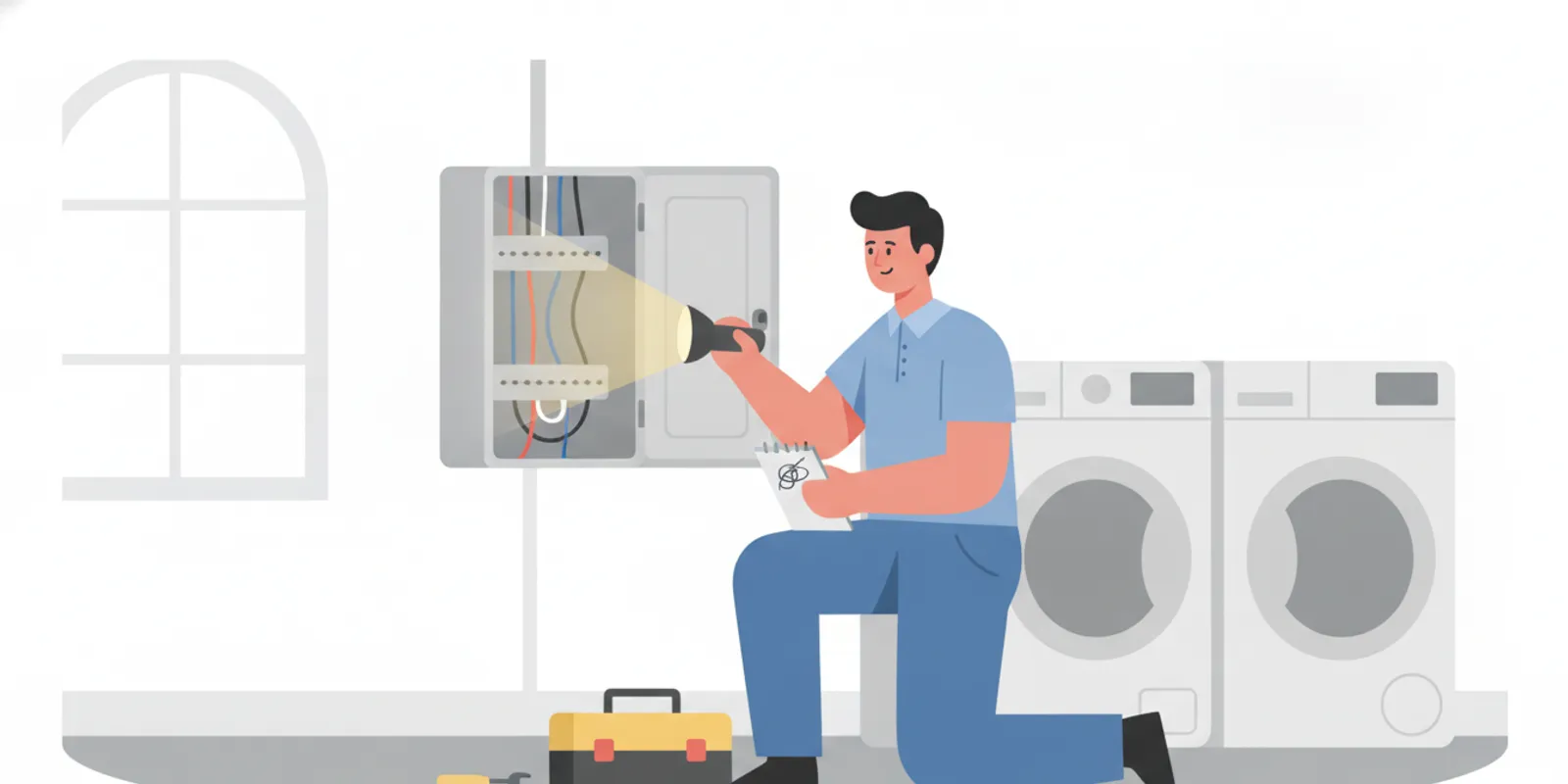
If a tripped breaker switches off again after you reset it, the reset did not resolve the underlying issue. The breaker may be responding to too much current, a fault in an appliance or wiring, or a problem with the breaker itself. The pattern matters: note what was running and when it happened, but do not keep resetting a breaker that trips repeatedly.
Contact an electrician for help
Why does a breaker trip again after you reset it?
A circuit breaker is a safety device. It interrupts power when it detects conditions that could overheat wires or signal an electrical fault. Resetting the handle restores power, but it does not remove an overload, repair damaged wiring, or make a defective appliance safe. If the condition remains, the breaker can trip again right away or after the circuit has been in use for a while.
Pay attention to the timing. A trip that happens immediately can point to a persistent fault, such as a short circuit, a ground fault, or a failed device. A trip after several minutes may mean the circuit is carrying more load than it can safely handle, or a connected item is heating up and failing. These are clues, not a diagnosis. Different problems can produce similar symptoms, so avoid taking the panel apart or guessing at a repair.
The U.S. Consumer Product Safety Commission provides consumer safety information at CPSC.gov. For an electrical problem in your home, use caution around the panel and call a qualified electrician if a breaker keeps tripping or you are unsure what is safe.
What are the most common reasons a breaker keeps tripping?
Is the circuit overloaded?
An overload occurs when appliances and other devices on one circuit draw more current than that circuit is designed to carry. It can happen when several high-demand items run at the same time. For example, a portable heater, microwave, and other equipment sharing a circuit may add up to more than it can support. The breaker trips to interrupt the excess current before wiring becomes dangerously hot.
Think about what was in use just before the trip. Did it happen when a particular combination of devices was running, or when a high-demand appliance started? That observation can help an electrician determine whether the load needs to be redistributed or whether the circuit should be evaluated for a different solution. Do not use an extension cord as a permanent way to move heavy electrical loads to another room.
Could an appliance or device be faulty?
A damaged appliance, cord, plug, or power tool can cause a breaker to trip. The timing may follow a specific item being switched on or plugged in. Look only for visible clues that can be checked without touching damaged parts: a frayed cord, a cracked plug, a burning smell, unusual heat, or a device that has begun to behave erratically.
If you can safely identify a device that seems connected to the problem, stop using it and leave it unplugged only if the plug and outlet look undamaged and are cool to the touch. Do not handle a hot, wet, scorched, or sparking plug. A breaker tripping when the device is connected does not prove that the appliance is the sole cause; the outlet, wiring, or circuit may also need inspection.
Is there a short circuit or ground fault?
A short circuit happens when electricity takes an unintended path, often because conductors have come into contact. A ground fault is an unintended path from an energized conductor to ground. Damaged insulation, moisture, a compromised cord, or a failed electrical component can contribute to either condition. These faults can cause an immediate trip and should be treated as a reason to stop using the affected circuit or equipment.
Do not open an outlet, switch, appliance, or panel to look for a fault. Even after a breaker trips, other parts of an electrical system may remain energized. An electrician can use appropriate testing equipment to narrow down where the fault is occurring and determine what needs repair.
Could the breaker itself be failing?
Breakers can wear or become damaged. A breaker that trips repeatedly under ordinary use, will not stay set, feels unusually loose, or shows signs of heat or damage needs professional assessment. But a breaker tripping does not by itself mean the breaker is defective. Replacing it without finding the cause could leave an overload or fault unresolved.
A breaker must be compatible with the panel and the circuit. Do not replace it with a breaker of a higher rating to prevent trips. That can leave the circuit conductors without the intended protection and create a serious hazard. Ask an electrician to check both the breaker and the electrical conditions that caused it to open.
Could wiring, an outlet, or a recent change be involved?
Loose or deteriorated connections, damaged wiring, water intrusion, or a recent installation can all be relevant. If the tripping began after a renovation, a new appliance, or work on a receptacle or light, tell the electrician what changed and when. A history of intermittent trips is useful too, even if the breaker currently stays on.
Homes with older wiring or circuits serving a new load may need a closer assessment. Do not assume the age of a home identifies the cause. A qualified electrician can inspect the particular circuit and determine whether the issue is a connection, an appliance, the circuit's load, or something else. My Electrician offers electrical repair service for electrical problems that require professional troubleshooting.
What should you do when the breaker trips again?
- Stop and check for danger signs. If you see smoke or flames, hear crackling, notice a burning odor, or see sparks, do not touch the panel or affected equipment. Move away and call emergency services if there is fire or immediate danger. Keep people away from the area.
- Do not keep resetting it. Repeatedly restoring power does not fix a persistent problem. If the breaker trips again, leave it off and do not attempt another reset.
- Observe from a safe distance. Note which rooms or items lost power, what was running, and whether the trip was immediate or delayed. Do not touch the panel, cords, or outlets that are hot, wet, damaged, or discolored.
- Share the details when you call. Tell the electrician how many times it tripped, what you noticed before it happened, whether there was a recent electrical change, and whether you observed odor, heat, sound, or visible damage.
Only consider a single reset if there are no warning signs, no visible damage, and you can operate the breaker safely without removing a cover or touching exposed parts. Follow the panel's instructions. If you are not certain how to do that safely, leave it alone and ask for help. If it trips again after that, keep it off and call an electrician. A breaker that trips repeatedly or immediately is not a routine reset problem.
What can the timing and pattern tell you?
These patterns can help you describe the issue, but they cannot confirm its cause. Use the observations to give an electrician a clear starting point rather than trying to conduct electrical tests yourself.
| What you notice | Possible issue to investigate | Safe next step |
|---|---|---|
| Trips when several devices are running | Possible overload or circuit capacity concern | Note which devices were on; avoid running the same combination until assessed. |
| Trips as one appliance is switched on | Possible appliance, cord, outlet, or circuit fault | Stop using the suspect item; do not handle it if hot, wet, or damaged. |
| Trips immediately after reset | Possible persistent short, ground fault, or damaged equipment | Leave the breaker off and request professional troubleshooting. |
| Trips after running for a period | Possible sustained overload or a fault that develops as equipment operates | Record the approximate time and what was operating; do not repeatedly reset. |
| Trips with odor, heat, noise, or visible damage | Possible dangerous electrical condition | Keep away from the affected area and seek urgent help; call emergency services for fire or immediate danger. |
How can you narrow down the pattern without testing the circuit?
You can gather useful information without touching wiring or taking equipment apart. Start by noting the time and the conditions before the breaker opened. Was a particular appliance starting, had it been running for a while, or were several items being used at once? If the same event happens more than once, write down each occasion. A clear pattern can help the electrician decide which parts of the circuit need attention first.
Also note which areas lost power. If one room goes dark, that does not necessarily mean the breaker serves only that room; circuits may include outlets or lights in more than one area. Do not assume a particular receptacle is on a particular breaker unless you already know from safe, ordinary use. You do not need to map the panel or switch breakers repeatedly to report what happened.
Keep the distinction between a trip and a broader power outage in mind. If power is out throughout the neighborhood, check whether nearby homes or local utility updates indicate a wider outage, without approaching damaged utility equipment. If only part of your home is affected, or one breaker has opened, the issue may be within the home's electrical system. When the cause is unclear, describe exactly what you can observe instead of repeatedly operating the panel.
It is also helpful to tell the electrician about recent changes. Examples include a newly installed appliance, a space heater used for the first time, work on an outlet or light, a leak or water intrusion, or a recent storm. This does not mean the change caused the problem; it gives the technician context to test relevant possibilities. If the breaker began tripping weeks ago and has become more frequent, include that progression too.
Do not move a suspect appliance to other outlets as a test if the appliance, cord, or outlet is damaged, warm, wet, or has an unusual odor. Do not connect multiple extension cords or adapters in an attempt to distribute power. If the equipment looks normal and is safe to unplug, you can stop using it and tell the electrician what you observed. Leave electrical testing and diagnosis to a qualified professional.
When is a repeatedly tripping breaker an emergency?
Stop using the affected equipment and treat the situation as urgent if you notice smoke, flames, sparks, a burning odor, crackling or buzzing from the panel, scorching, or an outlet or panel surface that is unusually hot. Do not touch the panel to test it. If there is a fire or immediate danger, leave the area and call emergency services. If there is no fire but you notice these warning signs, keep people away and arrange prompt professional help.
A breaker that trips repeatedly without visible warning signs still deserves attention. Leaving the circuit off is safer than repeatedly restoring power while the cause is unknown. If the affected circuit serves something essential, tell the electrician what stopped working so the situation can be evaluated appropriately. For a panel-related concern, see the company's information about electrical panel services.
How does an electrician troubleshoot the problem?
A proper diagnosis starts with your observations and a review of the affected circuit. The electrician may ask what was running, how soon the breaker tripped, whether the issue follows a particular appliance, and whether any recent work or water exposure occurred. This helps narrow the investigation, but testing is needed to identify the actual cause.
Depending on the symptoms, the electrician can inspect the relevant panel components, circuit, outlets, wiring, or connected equipment and use suitable test instruments. The goal is to distinguish among an overload, a fault in a device or wiring, a connection problem, and a breaker issue. The right repair depends on what testing finds; changing the breaker alone is not always the answer.
If the circuit cannot safely support the way it is being used, the electrician can explain options. These may include addressing a faulty device, repairing a damaged circuit, or evaluating whether a new or dedicated circuit is appropriate. A dedicated circuit is not automatically required simply because a breaker tripped. The load, wiring, panel, and applicable requirements need to be considered together. You can review dedicated circuit service as one possible topic to discuss if a particular appliance is involved.
For a recurring problem, be ready to describe the pattern rather than just saying that the breaker is bad. Mention whether it trips instantly or after a delay, whether it happens at a particular time, and what else was operating. If you live in the service area, My Electrician provides emergency electrician service for urgent electrical concerns. A service professional can determine what response is appropriate for the symptoms.
How can you reduce the chance of another trip?
Once the cause is identified and repaired, sensible use and maintenance can help reduce repeat problems:
- Follow the manufacturer's instructions for appliances and equipment, including any electrical requirements.
- Pay attention to which devices run together on the affected circuit, especially high-demand appliances.
- Stop using cords, plugs, or devices that are frayed, cracked, hot, or otherwise damaged.
- Arrange an inspection if you notice repeated trips, unusual heat, discoloration, or a burning smell.
- Ask a licensed electrician before adding a high-demand appliance or making changes to wiring or the panel.
These steps are not substitutes for diagnosis. Do not use a higher-rated breaker, bypass a safety device, or make a permanent change with an extension cord to keep a circuit working. Those actions can hide the warning without correcting the problem.
What if it trips only once in a while?
An intermittent trip still deserves attention, especially if it has happened more than once or is becoming more frequent. A problem may appear only when a certain appliance starts, when several devices overlap, or after equipment has been running for some time. The fact that the breaker stays on for most of the day does not prove that the circuit is safe or that the breaker has corrected itself.
Make a simple record rather than relying on memory. Write down the date and approximate time, which equipment was operating, what happened just before the trip, and whether you noticed any unusual sound, odor, warmth, or visible damage. If a breaker serves more than one area, note which lights or outlets stopped working as best you can without testing them. Share the record when arranging service.
Do not wait for the problem to happen more often before asking for advice. A recurring breaker trip can be an early sign of an issue that needs repair, and only a professional assessment can determine the cause. If the pattern changes suddenly or you notice a warning sign such as smoke, sparks, or a burning smell, stop using the affected equipment and follow the urgent safety steps above.
Frequently asked questions
Why does the breaker trip immediately when I reset it?
An immediate trip can mean the fault or overload is still present, but the timing alone cannot identify its source. Leave the breaker off. Do not keep resetting it or open the panel. Contact an electrician to investigate the circuit and connected equipment.
Can a bad appliance keep tripping a breaker?
Yes, a faulty appliance or damaged cord can contribute to a trip, particularly if the timing follows that item being turned on. A problem in the outlet, wiring, or circuit can look similar. Stop using equipment that appears damaged or is associated with the trip, and have the cause checked before putting it back into service.
Should I replace a breaker that keeps tripping?
Do not replace it yourself or install a breaker with a higher rating. A breaker may be faulty, but it may also be responding correctly to an overload or electrical fault. An electrician can determine whether the breaker, circuit, or connected equipment needs repair.
Is it safe to leave the breaker off?
If it keeps tripping and you do not know why, leaving it off is generally the safer choice until the issue is assessed. Do not touch equipment or wiring that is hot, wet, or damaged. If turning it off would affect an essential system, mention that when you request service.
Request electrical troubleshooting
What is the safest next step?
A breaker that trips again is a warning to investigate, not an invitation to keep resetting it. Note the circumstances, leave it off if the problem recurs, and let a qualified electrician determine whether the cause is a load, an appliance, wiring, or the breaker itself.