
Electrical outlets are something you use every day without much thought. When an outlet stops working, feels hot, or sparks, safety becomes a real concern. Many homeowners start asking, Can an electrical outlet go bad, and whether the problem is minor or dangerous. According to the U.S. Fire Administration, electrical malfunctions are listed among the leading causes of residential building fires in the United States, with thousands of incidents reported annually.
This topic matters because faulty outlets can lead to fire hazards, damaged appliances, and rising energy issues. Here, you will learn what causes outlets to fail, why some feel hot, when replacement is necessary, and when to call a licensed electrician.
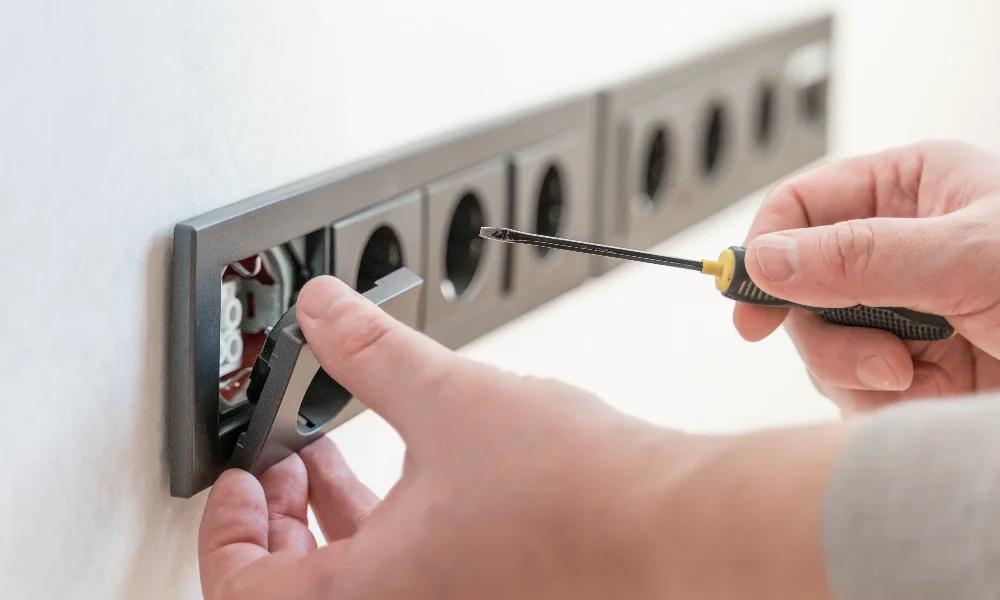
Can an Electrical Outlet Go Bad?
Electrical outlets can wear out over time due to age, heat, and repeated use. While they may appear fine on the surface, internal parts can degrade. The question can an electrical outlet go bad often comes up when outlets stop working, lose power, or show warning signs. Common problems include power loss caused by internal damage, worn or melted outlet components, loose wiring connections, and moisture-related failures in kitchens or bathrooms.
What Causes an Electrical Outlet to Stop Working?
Several factors can interrupt power at an outlet. Some issues are simple, while others point to serious wiring concerns. Understanding what causes an electrical outlet to stop working helps you respond safely and avoid repeat failures.
Tripped Breakers or GFCI Resets
A tripped breaker cuts power to protect the circuit. GFCI outlets shut off when they detect an imbalance. Resetting restores power if no fault remains.
Worn or Melted Outlet Components
Plastic housings and metal contacts degrade with heat and age. Worn parts may fail to hold plugs securely. This leads to intermittent power.
Faulty or Loose Wiring Connections
Loose wires reduce current flow and create heat. Over time, connections can loosen further. This increases failure and fire risk.
Moisture Exposure in Bathrooms or Kitchens
Moisture corrodes metal contacts. Water intrusion can damage internal parts. GFCI protection helps but does not prevent all damage.
Why Electrical Outlets May Feel Hot
An outlet should feel neutral to the touch. Warm or hot outlets signal electrical stress. This section highlights common reasons outlets heat up and why they should not be ignored. Many homeowners wonder why are my electrical outlets are hot when nothing seems wrong.
Overloaded Circuits or High-Draw Appliances
Large appliances draw heavy current. Space heaters and microwaves are common examples. Overloading causes excess heat buildup.
Loose Terminals Creating Resistance Heat
Loose terminals increase resistance. Resistance converts electricity into heat. This heat damages outlet components over time.
Internal Arcing Due to Component Failure
Arcing occurs when electricity jumps gaps. It creates heat and sparks inside the outlet. Arcing increases fire risk.
Outlet Placement Near Heat Sources
Outlets near ovens or dryers absorb ambient heat. Prolonged exposure weakens internal materials. This shortens outlet lifespan.
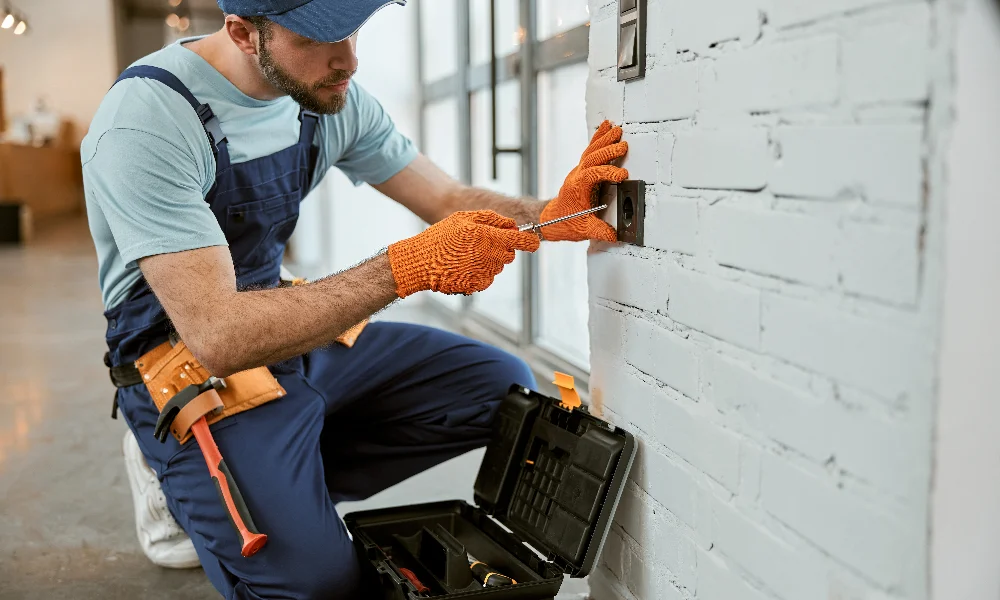
When To Replace an Electrical Outlet
Not every outlet issue requires replacement, but many do. Knowing when replacement is necessary helps protect your home. Signs include visible heat damage, frequent power loss, outdated outlet age, and a lack of modern safety features.
Evidence of Heat Damage or Melting
Discoloration or melting indicates overheating. Continued use is unsafe. Replacement is necessary to prevent fire.
Repeated Loss of Power Despite Breaker Resets
Power loss that keeps returning suggests internal failure. Resetting breakers does not fix worn outlets. Replacement solves the root issue.
Outlets More Than 20–25 Years Old
Older outlets lack modern materials and safety standards. Wear increases after decades of use. Replacement improves reliability and safety.
Outlets Not Meeting Current Safety Standards
Modern codes require GFCI and AFCI protection in many areas. Older outlets may not comply. Upgrades reduce shock and fire risk.
How Faulty Outlets Affect Energy Use
Electrical outlet problems do more than stop power. Loose connections and resistance waste electricity. That wasted energy often appears on your utility bill. Issues like overheating outlets are closely linked to wiring inefficiencies, which are explained in how faulty wiring can increase your electric bill. Addressing outlet problems improves efficiency and reduces hidden energy loss.
FAQs
What Is The Lifespan of an Electrical Outlet?
Most outlets last 20 to 25 years. Heavy use and heat shorten lifespan. Regular inspections help catch early failure.
How Do I Reset a Dead Outlet?
Check the breaker panel first. Press the reset button on GFCI outlets. If power does not return, call an electrician.
Do I Need an Electrician to Replace an Outlet?
Outlet replacement involves live wiring. Improper handling risks shock or fire. Licensed electricians ensure safe installation.
Call My Electrician for Electrical Outlet Repair in Port St. Lucie, FL
Electrical outlets may seem simple, but failure can create serious risks. So, this article has answered questions like what causes an electrical outlet to stop working, why electrical outlets may feel hot, and when replacement is the safest option. Understanding whether electrical outlets can go bad helps you act before problems escalate.
If you suspect outlet damage, overheating, or power loss, professional service matters. My Electrician provides reliable electrical outlet repair and inspections in Port St. Lucie, FL. Contact our licensed team today to restore safety, prevent hazards, and keep your home powered correctly.

Theresa Dudek
Theresa Dudek is Marketing Coordinator at My Electrician, Inc., a licensed electrical contractor serving the Treasure Coast and Palm Beach County since 2000. She oversees content strategy and client communications.