
Installing a home EV charger sounds like a one-day project, but the real timeline depends on your panel, charger location, and inspection needs. Port St. Lucie homeowners often want the charger ready before the new vehicle arrives, so the best move is to plan the electrical review early.
Schedule EV charger installation in Port St. Lucie with My Electrician FL before your vehicle arrives.
Quick answer: How long does ev charger installation take? A simple Level 2 charger installation may take about an afternoon of hands-on electrical work. The full project can take longer if your home needs a panel upgrade, a long wire run, permits, or a final inspection.
My Electrician FL helps homeowners and businesses across Port St. Lucie and the Treasure Coast plan safe, code-compliant EV charger installations. The sections below explain what affects the schedule, what to ask before installation day, and when to call a licensed electrician.
How long does ev charger installation take in Port St. Lucie?
For a straightforward home project, the hands-on EV charger installation often takes one afternoon. The full timeline can be longer. Planning, equipment choices, panel needs, permit steps, and inspection scheduling may extend the project beyond the day of electrical work.
In Port St. Lucie and across the Treasure Coast, start planning before you need the charger. A licensed electrician can review your parking area, panel, and preferred charger before setting the work date. This gives you a clearer timeline without relying on a generic estimate.
Hands-on work versus the full timeline
The installation visit is only one part of the project. The U.S. Department of Energy outlines a broader process that includes planning, construction, permitting, and inspections. These steps do not always happen on the same day.
A simple setup may move faster when the panel has enough capacity and the parking spot is easy to reach. More work may be needed if the cable route is long. The same is true when the panel needs changes or the charger will sit outdoors.
What the electrician checks first
The first visit should focus on the electrical load and the planned charger location. According to the U.S. Department of Energy, electricians can tell homeowners whether a home has enough capacity for charging. Level 2 equipment uses 240-volt power, so this check matters before scheduling the install.
The review also helps separate a direct installation from a larger electrical project. If your home needs circuit work, rewiring, or a panel change, the schedule can expand. My Electrician FL’s professional EV charger installation process explains why the panel review comes early.
Local scheduling in Port St. Lucie
Ask for two estimates: the time spent at your home and the expected date for final completion. Those are not the same. Permit or inspection steps can affect the finish date, and the details depend on the project.
Treasure Coast homeowners should also share practical details when they request service. Note whether the charger will be in a garage or outdoors. Share the panel location, parking spot, charger model, and any date when you need charging ready.
For a Port St. Lucie home, the best answer starts with a site review. You can discuss the schedule with licensed EV charger installation services before choosing an installation date. That review helps set a realistic plan for the electrical work and any follow-up steps.
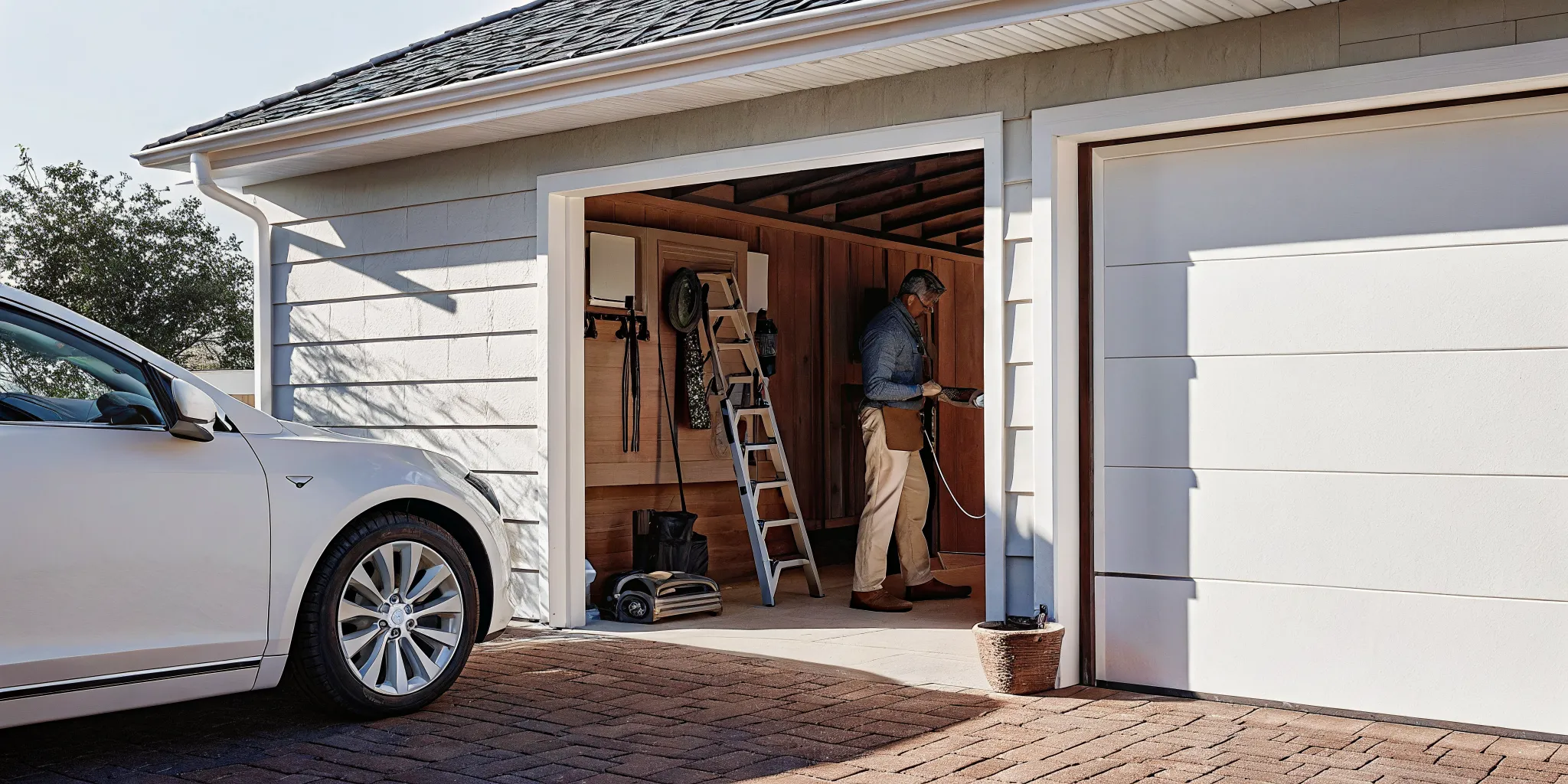
EV charger installation timeline by project type
How long does EV charger installation take? The answer depends on the charger, cable route, panel capacity, and inspection needs. A basic home job may take about an afternoon. The full process can take three to six weeks when scheduling, permits, or electrical work add steps.
Typical time estimates
Level 2 home chargers need a 240V circuit. Before work starts, an electrician should check whether the panel can safely handle the added load. The Alternative Fuels Data Center notes that electricians can tell homeowners whether a home has enough capacity for vehicle charging.
Use the estimates below as planning ranges, not promises. The visit may stay short when the panel has room and the parking spot is close. Rewiring, an older panel, or a complex route can add time.
| Project type | Typical planning estimate | What changes the timeline |
|---|---|---|
| Basic Level 2 home install | About an afternoon | Nearby panel, clear cable path, and available panel capacity. |
| Longer wire run or rewiring | A day to several weeks | Distance, access, wall surfaces, and repair work. |
| Hardwired home charger | About an afternoon for a simple job. Longer if rewiring is needed. | Cable route, mounting area, outdoor rating, and panel capacity. |
| Install with panel upgrade | A day to several weeks | Panel work, permits, scheduling, and inspection needs. |
| Commercial installation | Set after a site review | Number of chargers, future needs, site design, permits, and inspections. |
Why some projects take longer
The cable path often separates a short job from a longer one. A charger beside a garage panel is simpler than one across a finished home or detached parking area. Outdoor work also needs equipment rated for outdoor use.
Panel work can also extend the schedule. Some homes lack enough capacity for Level 2 equipment, so a qualified electrician may need to add circuits. Reviewing the professional EV charger installation process before the visit can help homeowners know what to expect.
Commercial site planning
Commercial work needs a site-based estimate. The number of units, parking layout, electrical service, and future charging needs can affect the plan. Multifamily housing also needs extra planning and may work more like public charging than a single-family home setup.
Permits and inspections belong in the project schedule, not just the installation visit. The Alternative Fuels Data Center describes infrastructure development as including permitting and inspections. For a property-specific timeline, request licensed EV charger installation services and share the charger model, parking location, and panel details.
What steps affect the EV charger installation schedule?
The schedule depends on more than the day an electrician mounts the charger. A safe installation starts with planning, then moves through electrical review, installation, testing, and any required inspection. Each step helps confirm the charger can operate safely on your home’s electrical system.
- Consultation and charger details. The electrician needs to know your vehicle, charger model, parking location, and preferred mounting area. This first conversation helps separate a basic garage installation from a larger electrical project.
- Panel and load review. Level 2 charging uses 240-volt equipment, and EV charging is treated as a continuous electrical load. The electrician checks whether the panel has capacity for the new circuit.
- Route planning. The cable path from the panel to the charger affects labor time. A short unfinished garage wall is usually simpler than a long run through finished walls, attic space, concrete, or an outdoor area.
- Permit or approval check. Some projects may need permit coordination or property approval before work begins. HOA rules, multifamily parking, and commercial sites can add planning time.
- Installation work. The electrician installs the circuit, breaker, wiring, mounting hardware, and charger connection according to the equipment requirements and local code.
- Testing and setup. The charger should be tested before the visit ends. Smart chargers may also need Wi-Fi setup, app pairing, or charging settings adjusted to match the circuit.
- Final inspection when required. Inspection scheduling can affect the full completion date. The hands-on work may be done, while the project still waits for a required signoff.
This is why a same-day installation visit is not always the same as a same-day completed project. If your panel has enough capacity, the charger is close to the panel, and no extra approvals are needed, the work may move quickly. If the project needs a panel upgrade or inspection coordination, build more time into your plan.
For the smoothest timeline, ask your electrician what must happen before installation day and what happens after the charger is mounted. That simple question gives you a better answer than a generic time estimate.
Why your electrical panel can add time
Your electrical panel can add time when it lacks capacity for Level 2 charging, needs a dedicated circuit, or requires upgrade work before installation. A panel review helps identify those issues early, so your EV charger timeline is based on safe electrical conditions instead of guesswork.
Panel capacity comes first
Before work starts, an electrician checks whether your panel can carry the charger’s added demand. That review matters because EV charging equipment is a continuous load under the National Electrical Code. The electrician uses a load calculation to compare the home’s demand with the panel’s available capacity.
The result can change the schedule. If the panel has room, the electrician may be able to focus on the new circuit and charger location. If capacity is tight, the scope may include a panel upgrade or other electrical work. That can turn a simple install into a longer project.
Dedicated circuits and safe sizing
Level 2 charging uses 240-volt equipment, so the electrician must plan the circuit around the selected charger and the home’s wiring. The breaker, conductors, charger settings, and route all need to work together. A long wire run or a difficult path can add labor time.
A dedicated circuit also helps keep charging separate from other electrical loads. Federal guidance notes that some homes lack enough capacity for Level 2 equipment. It also says a qualified electrician can add circuits for the needed capacity. My Electrician FL’s licensed EV charger installation services help homeowners plan that work before installation day.
- A suitable panel may allow the circuit and charger work to stay straightforward.
- A crowded panel may need added planning, new equipment, or a panel upgrade.
- A longer cable route may require more wall, attic, or garage work.
- Permits and the final inspection can affect the full project timeline.
Why shortcuts create risk
An undersized circuit is not a safe way to save time. EV charging places a steady demand on the home’s electrical system. DIY work can miss load limits, circuit sizing needs, or code steps. Those gaps may delay inspection and create avoidable safety concerns.
Licensed and insured electricians can confirm the scope before they begin. They can explain whether a panel upgrade is needed now. Another safe plan may fit the home instead. The Alternative Fuels Data Center includes permitting and inspections in charging infrastructure development. That is why the answer to how long does EV charger installation take depends on more than mounting the charger.
Request licensed EV charger installation services if your project may involve panel work, a long wire run, or inspection coordination.
How can you prepare before the electrician arrives?
A little preparation can prevent avoidable delays on installation day. Before the visit, gather the charger details, clear the work area, and write down questions about permits. These steps help the electrician assess the job and explain the likely timeline.
Charger details and parking plan
Have the charger brand, model, and installation guide ready. Tell the electrician whether you already bought the unit or still need help choosing one. If the charger uses Wi-Fi, check the signal near the planned mounting spot and keep your network details handy.
Choose a spot that works with your normal parking routine. Think about the cord length, the charge-port location on your car, and whether another vehicle blocks the space. If you are considering an outdoor mount, tell the electrician before the appointment.
- Take a photo of the planned charger location and nearby parking area.
- Note whether the garage wall is finished, unfinished, or made of concrete.
- List any future EV plans that could affect charger placement.
Panel access and a clear workspace
Locate the electrical panel and remove items that block access. Clear a path between the panel and the planned charger location. The electrician may need to inspect the panel, attic, garage, or outdoor route before confirming the work.
The licensed EV charger installation services visit should also account for panel capacity. Some projects need a new circuit or other electrical work before the charger can be installed. Easy access helps the electrician spot those needs early and explain how they affect scheduling.
- Move stored boxes, tools, bikes, and vehicles away from the work area.
- Know where the main panel and any subpanel are located.
- Keep pets and children away from the work path during the visit.
Property paperwork and scheduling questions
If you live in a community with an HOA, gather any forms or placement rules before the visit. Renters should have the property owner’s contact details ready. Condo and multifamily projects may need added planning because parking, access, and shared electrical systems can affect the scope.
Ask who will handle the permit and how an inspection fits into the schedule. The U.S. Department of Energy describes permitting and inspections as parts of charging infrastructure development. Those steps can affect how long the full process takes, even when the hands-on work is straightforward.
It also helps to review the professional EV charger installation process before the appointment. Bring a short list of questions about the circuit route, panel needs, charger location, and next steps. Clear answers at the first visit can make the rest of the project easier to schedule.
Do residential and commercial EV chargers take different timelines?
Residential and commercial EV charger projects can look similar on the surface, but the timeline is often different. A homeowner may need one charger in a garage. A business may need multiple charging spaces, future expansion planning, customer access, employee use, or coordination with property managers.
Residential timelines
For a single-family home, the main timeline questions are usually panel capacity, charger location, and the wiring route. A garage charger near the panel is often more direct. Outdoor chargers, detached garages, finished walls, or older panels can add time.
Homeowners should schedule before the vehicle arrives when possible. If you wait until delivery week, you may need to rely on slower Level 1 charging until the Level 2 charger is ready. Early planning also gives the electrician time to identify panel issues before installation day.
Commercial timelines
Commercial projects need more front-end planning. A business may need to decide how many chargers to install now and how many to plan for later. Parking layout, trenching, panel capacity, signage, access control, and inspection timing can all affect the schedule.
Multifamily and shared parking projects can also take longer than a single-home garage installation. These sites may involve shared electrical systems, assigned parking, association rules, or owner approvals. The Alternative Fuels Data Center notes that multifamily charging has added considerations and may resemble public charging more than single-family home charging.
Why early scheduling matters
Businesses should schedule earlier than they think they need to. The electrical work may be only one phase of the project. Design decisions, approval steps, site access, materials, and inspections can create gaps between the first call and the finished installation.
My Electrician FL serves Port St. Lucie, Vero Beach, Fort Pierce, Stuart, Jupiter, and nearby areas. Whether the project is a home garage charger or a business charging area. A licensed electrician can review the site and give a timeline based on the actual electrical conditions.
When should you schedule a licensed electrician?
Schedule a licensed electrician as soon as you know you want Level 2 charging at home or at your business. You do not need to wait until the EV is sitting in the driveway. Early scheduling gives you time to confirm panel capacity, pick the charger location, and understand whether permits or inspection steps apply.
Call before buying a charger if you are unsure which unit fits your home. The electrician can explain what your panel can support and what the charger location may require. That helps you avoid buying equipment that does not match the electrical plan.
You should also schedule quickly if your panel is older, crowded, warm to the touch, frequently tripping, or already supporting major loads. Those signs do not always mean a panel upgrade is required, but they do mean the system needs a professional review before adding EV charging.
For businesses, schedule during the planning stage, not after parking layouts or equipment choices are final. A site review can help you plan charger quantity, placement, expansion, and electrical capacity before the project becomes harder to adjust.
My Electrician FL provides licensed and insured electrical service in Port St. Lucie and nearby Treasure Coast communities. The company emphasizes upfront flat-rate pricing, professional workmanship, and a 2-year parts and labor warranty where applicable. For urgent electrical concerns, the team also offers 24/7 emergency service.
If you want a realistic answer to how long does EV charger installation take at your property, start with a site-specific review. Use the contact page to request an appointment and ask what information to have ready.
Contact My Electrician FL for a site-specific EV charger installation timeline before you choose an installation date.
Frequently Asked Questions
How long does a typical EV charger installation take?
A straightforward Level 2 home charger installation may take about an afternoon of hands-on electrical work. The full project can take longer when the panel needs upgrades, the wiring route is complex, or permits and inspections are part of the job.
Does installing an EV charger at home take a long time?
Not always. If your electrical panel has enough capacity and the charger is near the panel, the installation can be fairly direct. If the home needs a new circuit, longer wire run, panel work, or approval steps, the schedule can stretch beyond the installation visit.
What factors affect the duration of EV charger installation?
The biggest factors are panel capacity, charger type, distance from the panel, indoor versus outdoor placement, permitting, and inspection timing. The Alternative Fuels Data Center says electricians can confirm whether a home has enough capacity for vehicle charging.
Do I need an inspection after EV charger installation?
Some EV charger projects require inspection, especially when permits or electrical service changes are involved. Your electrician can explain what applies to your property. Inspection timing can affect the final completion date, even if the physical charger installation is already finished.
When should I schedule a licensed electrician for EV charger installation?
Schedule before or soon after buying your EV. Early planning helps confirm panel capacity, charger location, and any permit or inspection steps. Businesses and multifamily properties should schedule even earlier because parking layout and electrical planning can take more coordination.
Schedule EV charger installation with My Electrician FL
Ready to add safe Level 2 charging at your home or business? My Electrician FL can review your panel, charger location, and timeline before the work begins. Schedule a professional EV charger installation in Port St. Lucie and get clear guidance from licensed Florida electricians.
Schedule EV charger installation today.

Theresa Dudek
Theresa Dudek is Marketing Coordinator at My Electrician, Inc., a licensed electrical contractor serving the Treasure Coast and Palm Beach County since 2000. She oversees content strategy and client communications.