
Lighting your kitchen isn’t just about turning on a few bulbs; it’s about creating a space that feels bright, functional, and comfortable. Many homeowners wonder about the number of recessed lights in kitchen setups needed to avoid dark corners or harsh, uneven lighting. The right arrangement can make cooking safer, prepping easier, and your kitchen look inviting. In this blog post, you’ll discover how to figure out the ideal number of lights, the best places to install them, and which sizes work perfectly for your space.
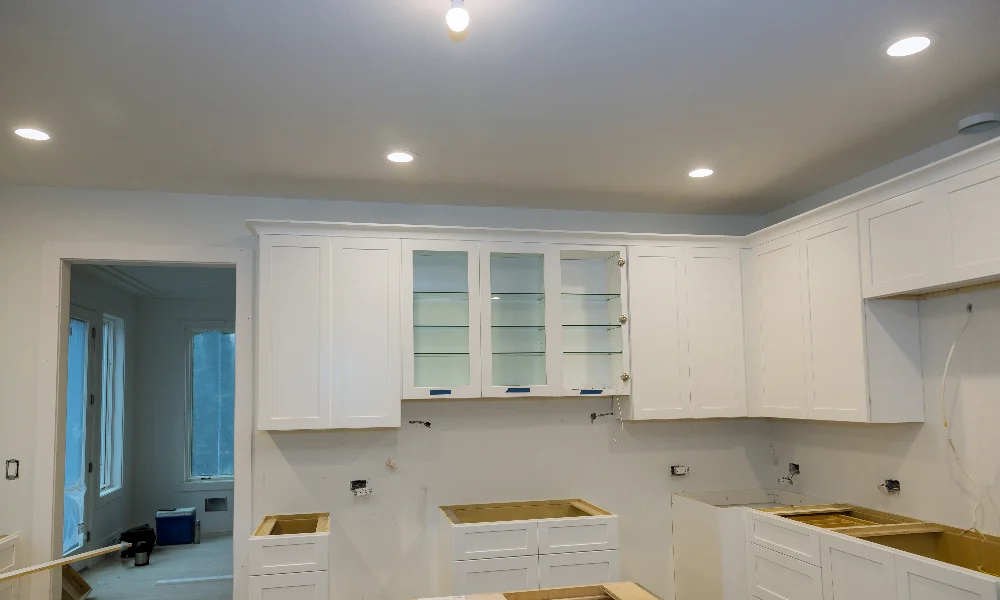
How Many Recessed Lights Should You Install in a Kitchen?
Getting the right number of recessed lights in kitchen layouts depends on more than square footage. You need to consider spacing, ceiling height, and how each light supports daily tasks. A well-lit kitchen spreads light evenly, avoids shadows, and supports areas like counters, islands, and cooking zones. Each factor below helps you decide how many lights you actually need without guesswork.
Factors That Affect the Number of Lights Needed
Kitchen size
The size of your kitchen is one of the biggest factors in determining how many lights you need. Larger kitchens require more fixtures to maintain even, shadow-free illumination. Smaller kitchens, on the other hand, need fewer lights, but placement becomes critical to avoid glare or overly bright spots that strain your eyes. Professional electricians often calculate the recommended wattage per square foot to ensure consistent lighting throughout the space.
Ceiling height
Ceiling height affects how far apart recessed lights should be placed. Higher ceilings may require lights with greater lumen output and wider spacing, while lower ceilings benefit from closer spacing—typically 4 to 6 feet apart—to prevent dim areas. Correct spacing ensures your kitchen is bright enough for tasks without harsh overhead glare.
Kitchen layout
The overall layout of your kitchen also determines how light spreads. Open-concept kitchens need a wider distribution to cover all work areas, while L-shaped or U-shaped kitchens may require lights focused on corners and countertops. Strategic planning helps avoid dark patches and maintains balanced, functional lighting throughout the room.
Amount of natural light
Natural light alleviates the need for artificial lighting during the day, but it shouldn’t be the only consideration. Kitchens with large windows may require fewer recessed lights, yet evenings, cloudy days, and shadow-prone areas still demand proper fixture placement to maintain visibility and safety.
Cabinet placement and soffits
Upper cabinets and soffits can block light, creating shadows on counters and work surfaces. Professionals often adjust fixture spacing or angles to compensate, ensuring every prep area receives adequate illumination. This careful planning avoids uneven lighting that could compromise both functionality and aesthetics.
Island or peninsula size
Kitchen islands or peninsulas are task-heavy areas, so lighting here is critical. Large islands may require multiple recessed lights spaced evenly for full coverage, while smaller islands might only need one or two lights. Correctly lighting these zones enhances both cooking efficiency and the overall look of your kitchen.
Use of additional lighting
Recessed lights don’t work alone. Pendant lights, under-cabinet lighting, or chandeliers can complement them, reducing the number of recessed lights needed. Layered lighting provides both functional and ambient illumination, creating a well-balanced, professional kitchen setup.
Work zones that need task lighting
Areas where chopping, cooking, and cleaning occur require focused, brighter light. Dedicated recessed lights directly above these zones improve safety and efficiency. Experts recommend planning task lighting based on workflow to make sure every critical area is well-lit.
According to the U.S. Department of Energy, there are more than 600 million recessed downlights installed in homes and businesses across the United States. This highlights how common and trusted this lighting solution is for kitchens and other spaces.
Where to Place Recessed Lights in a Kitchen
Correct placement matters as much as quantity. If the lights are poorly placed, even a large number of fixtures will not provide effective illumination. You need to focus on task areas, avoid shadows, and maintain even spacing. When you place recessed lights in a kitchen, your goal should be to support visibility across all working surfaces without creating glare.
You can place recessed lights in the following areas:
Over Countertops and Work Areas
You should install lights directly above countertops where food preparation happens. This setup reduces shadows and ensures clear visibility while cutting, mixing, or cooking. Place lights about 12 to 18 inches from the wall to align with counter edges.
Around the Kitchen Island
Islands often serve multiple purposes, including prep work and dining. Recessed lights should be spaced properly across the island, ensuring full coverage. If pendants are used, recessed lights should fill gaps rather than overlap.
Avoid Shadows From Cabinets and Appliances
Lights placed too far from cabinets create shadows on work surfaces. Position fixtures slightly forward from the upper cabinets so light falls directly onto the counter instead of behind it.
Proper Distance From Walls
Maintaining consistent spacing from walls helps create uniform lighting. A general rule is to place lights about 2 to 3 feet away from walls, depending on ceiling height and room size.
If you want a deeper understanding of planning and execution, this guide on proper lighting setup explains the process clearly:
https://myelectricianfl.com/steps-for-a-successful-lighting-installation/
What Size Recessed Lights Are Best for a Kitchen?
Choosing the right size is just as important as deciding placement. The size of recessed lights for kitchen setups depends on ceiling height, kitchen scale, and lighting purpose. Smaller fixtures offer focused lighting, while larger ones provide broader illumination. Selecting the correct size ensures balanced brightness without overwhelming the space.
Common Sizes for Kitchen Lighting
4-inch recessed lights
These are ideal for task lighting and smaller kitchens. They provide focused beams, making them perfect for highlighting countertops, sinks, or specific work zones. They also work well in modern kitchens with a minimalist design.
5-inch recessed lights
This size offers a balance between focused and general lighting. It works well in medium-sized kitchens where you need both task and ambient lighting without using too many fixtures.
6-inch recessed lights
These are commonly used for general lighting in larger kitchens. They spread light over a wider area, making them suitable for open layouts or spaces with higher ceilings.

Should You Put Recessed Lighting in Your Kitchen?
Recessed lighting is one of the most practical choices for kitchens because it provides clean, even illumination without taking up visual space. It works well with layered lighting and supports both function and design.
Benefits of Recessed Lighting
Recessed lighting creates a clutter-free ceiling, which improves the overall look of your kitchen. It distributes light evenly, reducing dark spots and improving visibility during cooking. It also pairs well with other lighting types, allowing you to customize brightness based on your needs. In addition, modern LED recessed lights are energy-efficient and long-lasting, which helps reduce maintenance over time.
FAQs
What Are the Rules for Recessed Lighting In Kitchens?
Spacing is the most important rule. Lights should typically be placed 4 to 6 feet apart, depending on ceiling height. Fixtures should align with work areas rather than just following a grid pattern. You should also avoid placing lights directly above cabinets.
Where Shouldn't You Use Recessed Lighting?
Avoid placing recessed lights too close to walls or directly behind cabinet lines. This placement creates shadows and uneven lighting. Also, avoid overusing recessed lights in decorative areas where accent lighting would work better.
How Do Recessed Lights Affect Room Ambiance?
Recessed lights create a clean and modern feel. When spaced correctly, they provide even brightness without harsh glare. You can also use dimmers to adjust the mood, making the kitchen feel warm and inviting during evenings.
Contact My Electrician for Professional Lighting Installation in Port St. Lucie, FL
Choosing the right number, placement, and size of recessed lights can feel confusing, but each decision affects how your kitchen looks and functions. When you plan carefully, you avoid shadows, improve visibility, and create a balanced lighting setup that supports daily tasks.
If you want a reliable and professionally installed lighting system, My Electrician can help. Our team understands proper spacing, safe installation practices, and efficient lighting design. Contact us today to ensure your kitchen lighting is done right from the start.

Theresa Dudek
Theresa Dudek is Marketing Coordinator at My Electrician, Inc., a licensed electrical contractor serving the Treasure Coast and Palm Beach County since 2000. She oversees content strategy and client communications.