
Living in an older home comes with its challenges, and electrical safety is one you can’t afford to ignore. Many houses built decades ago may have hidden wiring issues that pose real risks. That’s why it’s important to know if a house has aluminum wiring. Understanding this can protect your home from fire hazards, help with insurance, and even impact its resale value. In this guide, you’ll learn how to identify aluminum wiring, where it’s typically found, the problems it can cause, and how licensed electricians address it safely.
How to Tell If a House Has Aluminum Wiring
Identifying whether a house has aluminum wiring requires a careful and methodical approach. Aluminum wiring looks different from copper and often shows subtle signs that experienced eyes can detect. Visual inspection, reviewing panel components, and noting the age of your home can all provide clues without putting anyone at risk. While some indicators are easy to spot, confirming the presence of aluminum wiring safely usually requires professional evaluation to ensure your home’s electrical system is secure and up to code.
Check the Electrical Panel
Your electrical panel often provides the first clue. When a professional opens the panel cover, they may see silver-colored conductors instead of copper’s reddish tone. Aluminum wiring looks dull gray.
However, color alone is not enough for confirmation. Some copper wires are coated and may appear different. A trained electrician knows how to identify conductor types safely without disturbing live components.
Inspect Exposed Wiring
In unfinished areas such as garages, basements, or attics, you might see exposed cable sheathing. If wiring is visible, do not touch it. Instead, visually check the metal at the ends where insulation is stripped.
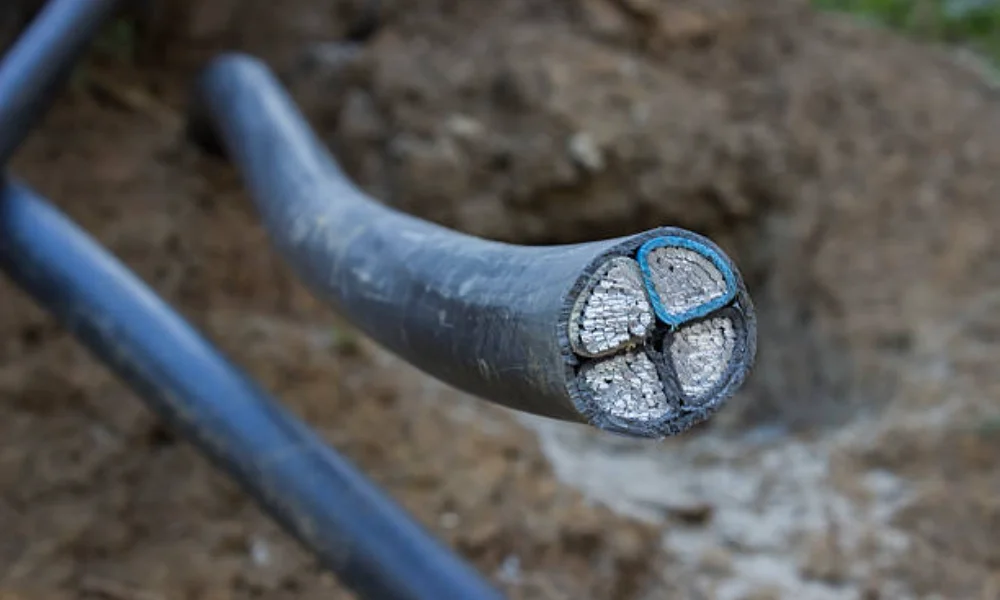
Aluminum wiring has a matte silver appearance. Copper wiring looks reddish or brown. Even so, visual checks should only guide suspicion, not final decisions.
Identify Aluminum Markings on Cables
Manufacturers typically print conductor material on cable jackets. Look for markings such as “AL,” “ALUM,” or “ALUMINUM.”
These labels are often visible on branch circuit wiring. However, older insulation may be faded. In that case, a licensed inspection becomes necessary for accurate identification.
Your Home Was Built Between the 1960s and 1970s
Homes built between 1965 and 1973 are most likely to contain aluminum branch circuit wiring. During that period, copper prices increased sharply, so builders turned to aluminum as a cost-saving alternative.
According to the U.S. Consumer Product Safety Commission (CPSC), homes wired with aluminum branch circuits during this era may face higher fire risks due to connection failures. This historical detail strongly supports suspicion when reviewing older properties.
Where Is Aluminum Wiring Commonly Found?
Aluminum wiring is usually found where builders aimed to reduce costs or handle moderate electrical loads. Knowing how it was typically used helps you anticipate areas that may need closer attention. This understanding makes professional inspections more focused and effective, helping prevent hidden issues and keeping your home safer.
Branch Circuits and Lighting Systems
Branch circuits carry electricity from the panel to outlets and fixtures. During the 1960s and early 1970s, aluminum was widely used for 15-amp and 20-amp circuits. Lighting circuits often use aluminum conductors. Over time, repeated heating cycles at connections may weaken terminations if not properly maintained.
Connections to Outlets and Switches
Problems usually occur at connection points. Aluminum expands as well as contracts more than copper, which stresses screw terminals on outlets and switches. This movement may loosen connections. Eventually, loose terminations create heat buildup, which increases fire risk if not corrected.
How Professionals Confirm Aluminum Wiring
A licensed electrician does more than visual inspection. They perform structured evaluations that include panel assessment, connection testing, and load analysis. This detailed process confirms the wiring material and evaluates safety at the same time.
Electrical System Inspection
The electrician safely removes the panel cover and examines the conductor materials. They check breaker connections, neutral bars, and grounding conductors.
This inspection verifies whether aluminum is present and whether past repairs meet current safety standards.
Testing Connections and Terminals
Professionals inspect outlets and switches for aluminum-rated devices. Devices marked “CO/ALR” are designed for aluminum conductors. If older devices are installed, they may not provide safe contact pressure. This is how overheating problems often begin.
Evaluating Circuit Load
Electricians also review circuit loads. Aluminum wiring can perform safely when sized correctly, but overloaded circuits increase heat stress. Evaluating amperage demand ensures that conductors are not carrying more current than intended.
Is Aluminum House Wiring Safe?
Many homeowners ask whether aluminium house wiring is safe. The answer depends on installation quality, maintenance, and connection integrity. While aluminum itself can conduct electricity effectively, it behaves differently from copper. It expands more under heat, oxidizes at connections, and requires proper termination methods. These factors determine long-term safety.
Risks of Overheating at Connections
Aluminum forms an oxide layer when exposed to air. This oxide resists electrical flow. If connections are not properly tightened or treated with antioxidant compounds, resistance increases. Increased resistance generates heat, which may damage insulation over time.
Expansion and Contraction Issues
Aluminum expands more than copper when heated. When current flows, conductors warm up. When the current stops, they cool down. This repeated movement can loosen terminal screws. Loose connections eventually produce arcing, which raises fire risk.
Increased Fire Risk With Loose Connections
The CPSC has reported that homes with aluminum branch circuit wiring are significantly more likely to experience connection failures compared to copper systems. Loose or degraded terminations create heat concentrations. Over time, insulation breakdown may occur inside walls, where damage remains hidden.
Common Aluminum Wiring Problems
Over time, aluminum wiring in a house can experience normal wear that affects how well it conducts electricity. Changes in performance may develop gradually, and small issues can signal that parts of the system need attention. Understanding these patterns helps homeowners stay proactive, prioritize professional evaluations, and maintain the safety and efficiency of their electrical system.
Flickering Lights
Lights that flicker without bulb issues may indicate unstable connections. If aluminum terminations loosen, voltage fluctuations can occur. This instability affects lighting circuits first.
Warm or Discolored Outlets
Outlets that feel warm to the touch signal resistance heating. Discoloration around receptacle plates may indicate prolonged overheating. This requires immediate professional evaluation.
Burning Odors Near Electrical Fixtures
A faint burning smell near outlets or switches suggests insulation stress. Even minor odors should not be ignored. Electrical heating inside walls can progress quietly before visible damage appears.
Frequently Tripping Breakers
Breakers trip to protect circuits from overload or faults. If aluminum wiring connections degrade, arcing may occur. Breakers may respond by shutting down circuits to prevent escalation.

Solutions If You Have Aluminum Wiring in Your House
If you confirm that your house has aluminum wiring, the next step involves corrective planning. First, you need to understand the options available for addressing it safely. Evaluating the wiring’s condition and potential risks helps determine the best approach for long-term reliability. This sets the stage for exploring specific measures professionals use to improve safety and maintain proper electrical performance.
Here are some solutions:
Connection Upgrades
One reliable method is replacing outlets and switches with CO/ALR-rated devices specifically designed for aluminum conductors. These devices maintain proper contact pressure, reducing the risk of overheating or arcing. According to the National Fire Protection Association (NFPA), using the correct devices for aluminum wiring is critical for preventing electrical hazards. Installation should always be performed by licensed electricians to ensure compliance with safety standards.
Approved Repair Methods
The U.S. Consumer Product Safety Commission (CPSC) recognizes certain repair techniques, such as using specialized connectors that safely join aluminum and copper conductors. These connectors minimize oxidation, improve electrical stability, and extend the lifespan of the wiring. Only certified materials and professionally approved methods should be used, ensuring your home meets current electrical codes and safety requirements.
Full or Partial Rewiring
In situations where the wiring system shows extensive wear, partial or complete rewiring with modern copper conductors may be recommended. Copper eliminates the expansion and contraction issues common with aluminum, providing long-term reliability and improved safety. Licensed electricians can assess your system and determine whether full or partial replacement is necessary, following code-compliant standards for optimal performance.
Rewiring also improves efficiency, which may address concerns discussed in this guide on faulty wiring and energy costs: https://myelectricianfl.com/can-faulty-wiring-increase-electric-bill/.
FAQs
What Does Aluminum Wiring In A House Look Like?
Aluminum wiring appears silver or dull gray. It lacks copper’s reddish tone. Markings such as “AL” on cable sheathing also indicate aluminum conductors.
Is It Hard To Sell A House With Aluminum Wiring?
Some buyers hesitate due to insurance restrictions or safety concerns. However, documented inspections and approved repairs can improve buyer confidence.
Should I Be Worried About Aluminum Wiring In My House?
Concern is reasonable, but panic is not necessary. When properly evaluated and repaired, aluminum systems can operate safely under professional oversight.
Schedule House Rewiring With My Electrician in Port St. Lucie, FL
Older homes can hold hidden electrical surprises, and one of the most important is knowing if a house has aluminum wiring. Being aware of its presence helps homeowners stay proactive, maintain safety, and protect their property from potential hazards.
My Electrician in Port St. Lucie, FL, is a trusted provider of residential electrical services. Their licensed professionals specialize in inspections, wiring upgrades, and safety solutions, ensuring every job meets code standards and keeps homes secure.

Theresa Dudek
Theresa Dudek is Marketing Coordinator at My Electrician, Inc., a licensed electrical contractor serving the Treasure Coast and Palm Beach County since 2000. She oversees content strategy and client communications.