
When to Replace Two Prong Outlets Safely
By My Electrician, Inc.

When to Replace Two Prong Outlets Safely
If the outlets in your older home have only two slots, they deserve a closer look before you connect modern appliances or electronics. Two-prong receptacles generally do not provide an equipment-grounding connection, so the right upgrade depends on the wiring behind the wall and how the outlet is used.
Schedule Service for a professional outlet inspection.
Homeowners should professional outlet upgrade when the receptacles are damaged, loose, warm, discolored, sparking, or unable to safely support the devices they need to power. A licensed electrician can determine whether an outlet can be properly grounded, should receive GFCI protection, or requires a broader wiring upgrade. A GFCI can reduce shock risk on an ungrounded circuit, but it does not create an equipment ground.
There is no single upgrade that fits every older home. An inspection helps identify immediate hazards, separate shock protection from equipment grounding, and create a practical room-by-room plan. Start by knowing the signs that an outlet should be taken out of service.
Replace Two Prong Outlets: When should you replace two-prong outlets?
You should replace two-prong outlets when they can no longer meet your home's power needs or safety standards. These older outlets do not have a ground wire. This lack of a ground wire increases your risk of electric shock. Modern homes use three-prong outlets to keep people and devices safe. If your home still has these old plugs, it is time to older receptacles to protect your family and gear.
Visible signs of damage
Watch for physical clues that your outlets are failing. If you see cracks in the plastic or dark burn marks, stop using the plug right away. These marks often mean the wires inside are too hot. You may also notice sparks when you plug something in. In some cases, the outlet might feel warm to the touch. These are clear signs of faulty outlets that need quick care from a pro.
Loose plugs are another common problem with old outlets. If your power cords fall out or sit loose, the metal parts inside have worn down. This can cause heat to build up and may lead to a fire. Since two-prong outlets are often decades old, they may have years of hidden wear. A licensed team can modernize your electrical system to fix these risks before they cause harm.
Modern power needs
Today's electronics need more than just power; they need a safe path for stray electricity. This path is called a ground. Without it, excess power can flow through you or your tools. This is very important for items like computers, fridges, and TVs. High-tech gear is prone to damage from power surges if it lacks a grounded plug. Grounding helps prevent current leaks that could harm users or fragile circuits.
The National Electrical Code requires specific safety tools like GFCIs to prevent fires. These devices help stop shocks in wet areas like kitchens and baths. Since 1971, these tools have helped cut down on deaths from shocks by over 80 percent. Upgrading your old two-prong plugs to these modern standards is a smart move for any home owner. It makes your daily life safer and helps your home meet current safety rules.
Safety and inspections
If you live in an older home, you may not know the state of your wires. A full home safety check can find hidden issues. Pros can check if your home can handle the load of new tools. They can also see if you have true grounding or if you need new wires. In some cases, they can add shock protection even if they cannot add a ground wire right away. This can give you peace of mind while you plan for a full update.
Two-prong vs. grounded three-prong outlets
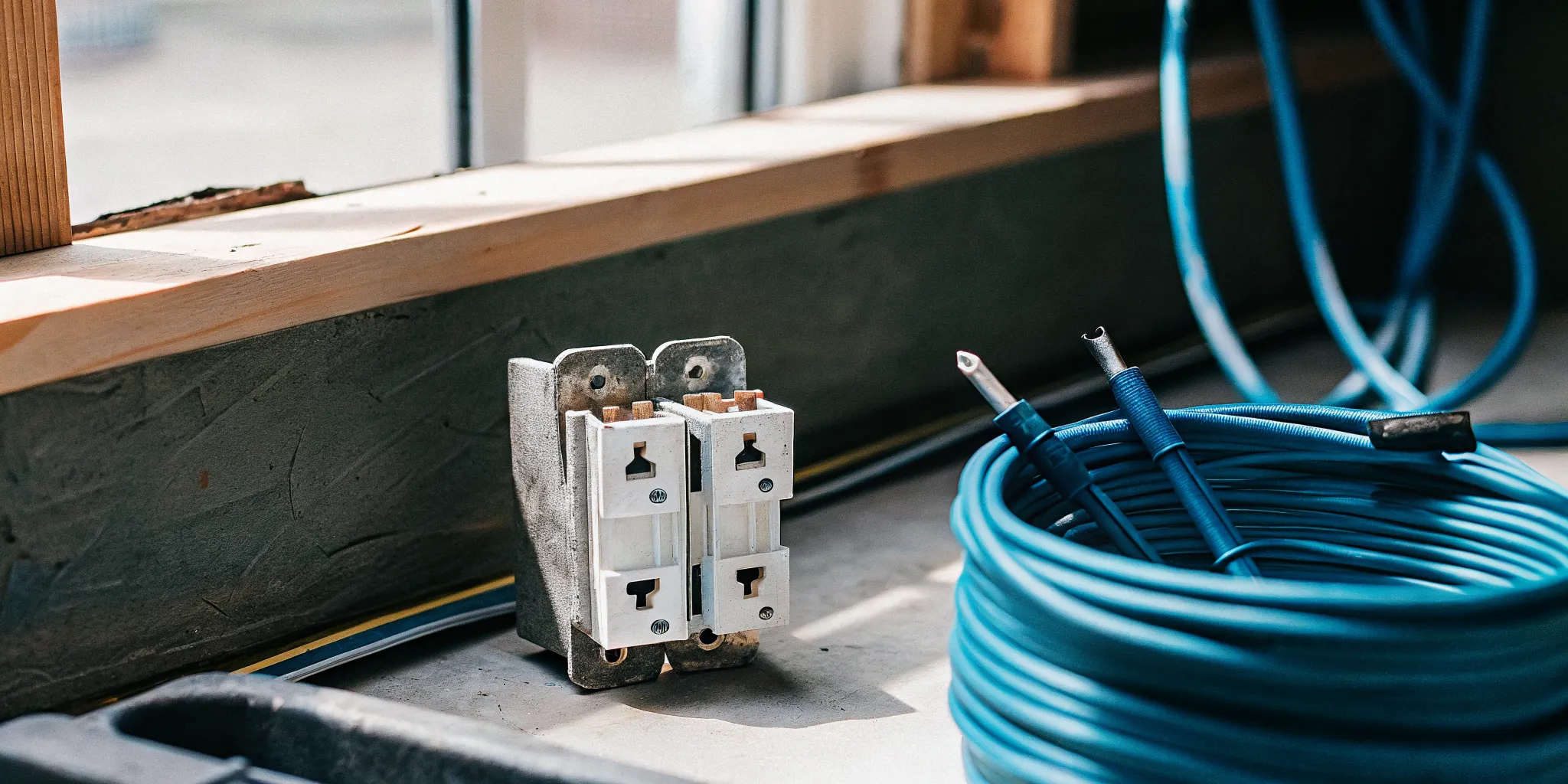
Old homes often have two-prong outlets. These outlets were common before the 1960s. Today, many people want to outlet installation and repair to keep their homes safe. The main gap between these two types is the ground wire. Two-prong outlets only have two wires: hot and neutral. They lack the third wire that gives a safe path for stray power.
What makes them different?
A two-prong outlet has two slots. One slot is for the "hot" wire that brings power in. The other is for the "neutral" wire that carries power back. A three-prong outlet adds a third, round hole. This hole connects to a ground wire. Proper grounding is vital to stop power from leaking through people or tools, according to research on grounded outlets.
Two-prong outlets are not grounded. This means they cannot handle a "ground fault." A ground fault happens when power leaks out of its normal path. Without a ground wire, that power could travel through you or your gear. This makes them less safe than the modern three-prong type.
| Feature | Two-Prong Outlet | Three-Prong Outlet |
|---|---|---|
| Ground Wire | No | Yes |
| Shock Risk | Higher | Lower |
| Modern Code | Old | Standard |
| Best Use | Small lamps | All gear |
The risk of ungrounded outlets
Grounding is a key part of home safety. It protects you by giving power a way to reach the earth safely. If a tool has a short circuit, the ground wire carries the extra power away. This keeps the case of the device at a safe level. Without this wire, the metal case could become live. Touching it could give you a bad shock.
Ungrounded outlets can also hurt your tech. Things like PCs and TVs need a ground path. This path helps bleed off static and power surges. Using a two-prong outlet for these items can cause data loss or damage. This is why many brands need a grounded plug for their gear to work well.
Why adapters are not the answer
You might see small grey plugs in stores. People call them "cheater plugs." They let you fit a three-prong plug into a two-prong slot. But using these does not mean your outlet is grounded. Most of the time, the plug just skips the safety ground. This leaves your home and your tools at risk.
Simply changing the face of the outlet is also not enough. Adding a three-slot cover to a two-wire system is a "false ground." It looks safe, but it is not. To truly fix the issue, you need a new wire or a GFCI unit. Licensed pros in Port St. Lucie can check your wires to find the best way to upgrade your electrical system safely.
Safe options for upgrading two-prong outlets
When you choose to safer outlet options, you have a few paths to follow. Every home is unique. What works for your neighbor might not be right for you. Old wiring can be tricky and even risky to touch. You should not guess when it comes to your home's power. A licensed pro must check your system first. This ensures you pick the best way to keep your family safe while you update your home.
Most older homes in Port St. Lucie use two-prong outlets because that was the standard many years ago. But modern tools need more safety. Proper electrical grounding is vital to keep power from leaking into places it should not go. Without a ground wire, your home has a higher risk of fires or shocks. An expert will look at your wires before you start any work. They check if there is a ground wire hidden inside the metal box. If they find one, the job is much faster. If not, they will help you choose between a few safe paths.
Finding the right path for your home
There is no single way to fix every room. You might need one plan for the kitchen and another for the guest bedroom. Some paths are faster to finish. Others offer more long-term value for your home's worth. Your pro will explain the costs and benefits of each choice. Their main goal is to modernize your electrical system. This allows your home to handle heavy loads from modern TVs, computers, and kitchen tools without a risk.
An expert check is the first step. They look for signs of wear or heat damage in your walls. They also check your main panel to see how much power it can hold. This step is vital for safety. It keeps you from loading too much onto your system. Once the pro has the facts, they can suggest the best upgrade path for your budget and needs. You will gain peace of mind knowing the job is done right.
Common upgrade methods
Modern codes offer a few ways to add safety to your home. Each method has its own steps and parts. Your electrician will talk to you about these options based on your home's age and layout. They want to make sure your new outlets meet all safety rules. Here are the most common ways to handle this type of work in Port St. Lucie.
- Install new ground wires. A pro runs a new wire from your main panel to the outlet box. This gives your tools a safe path for extra power. It allows you to use three-prong outlets anywhere in the house.
- Add GFCI outlets for shock safety. You can replace two-prong units with GFCI outlets even without a ground wire. These devices cut power fast if they sense a ground fault. They must have a sticker that says "No Equipment Ground."
- Use GFCI circuit breakers. A pro can swap the breaker in your main panel to protect the whole circuit at once. It is a smart way to add safety to many rooms with just one change.
- Keep two-prong outlets where safe. If you only plug in small lamps or clocks, you might keep the old style in some spots. Your pro will tell you if this is a safe choice for your needs.
- Full home rewiring. If your wires are very old or brittle, a full rewire might be needed. This is the safest long-term path for an old home. It ensures every room has modern, grounded power.
Safety is the most important part of any electrical job. Modern systems do more than just give power to your lights. They shield your home from fires and your family from painful shocks. By working with a pro, you can be sure your home meets all local and state rules. They will test every new part to make sure it works as it should. This gives you a safe home for many years to come.
Can a GFCI replace an ungrounded outlet?
You may find that some rooms in your home still have old two-prong outlets. These outlets lack a ground wire. This wire is a key safety part in modern homes. If you want to upgrade aging outlets, you might wonder if a Ground Fault Circuit Interrupter (GFCI) is a good choice. The short answer is yes. A GFCI can be used as a safe option even when a ground wire is not in the wall box.
The National Electrical Code allows this setup because of how a GFCI works. These tools are made to stop shocks by sensing small changes in the flow of power. GFCIs have helped reduce deaths by shock by 83 percent since they were first used in 1971. They give a high level of safety for people in your home. This is true even without a path to ground.
How GFCIs provide safety without a ground
A GFCI does not need a ground wire to trip. It checks the power going out on the hot wire and coming back on the neutral wire. If the power is not the same, the tool "senses" a leak. This leak could be going through a person. When this happens, the GFCI cuts the power in a tiny part of a second. This quick action stops a deadly shock.
Setting up these tools is a common way to update your electrical system. It is cheaper than a full home rewire. While it does not add a ground, it adds a layer of safety that old two-prong outlets do not have. This makes it a smart choice for bathrooms, kitchens, and old laundry rooms where water is near.
Understanding the limits
It is vital to know that a GFCI is not the same as a true ground. A true three-wire system uses a special ground wire to keep the case of a tool at zero volts. This stops shock risks from metal parts that might become "hot" due to a fault. According to the National Institutes of Health, proper grounding is needed to stop power leaks from reaching users. While a GFCI protects your life, it does not always protect your gear the way a grounded outlet would.
Since there is no ground wire, some tools may not work as they should. For example, surge strips often need a ground to dump extra power during a spike. Without that path, your gear like computers or TVs might still be at risk. The GFCI protects you from shock, but it does not replace the full safety of a grounded system for your devices.
Rules for marking your outlets
When you use a GFCI to replace an ungrounded outlet, clear rules apply to how you mark it. This helps future home buyers and workers know what to expect. You must use the stickers that come in the GFCI box. These usually include:
- "No Equipment Ground" - This tells users the outlet looks like a three-prong version but lacks a ground wire.
- "GFCI Protected" - This shows that the outlet has a safety trip device active.
These labels are not just for show. They are a rule to ensure your home stays up to code. If you are unsure about the wires in your Port St. Lucie home, our team can help with a full safety check. We ensure your new outlets are set up the right way. We also make sure they are marked as needed for peace of mind.
What does an electrician check before an outlet upgrade?
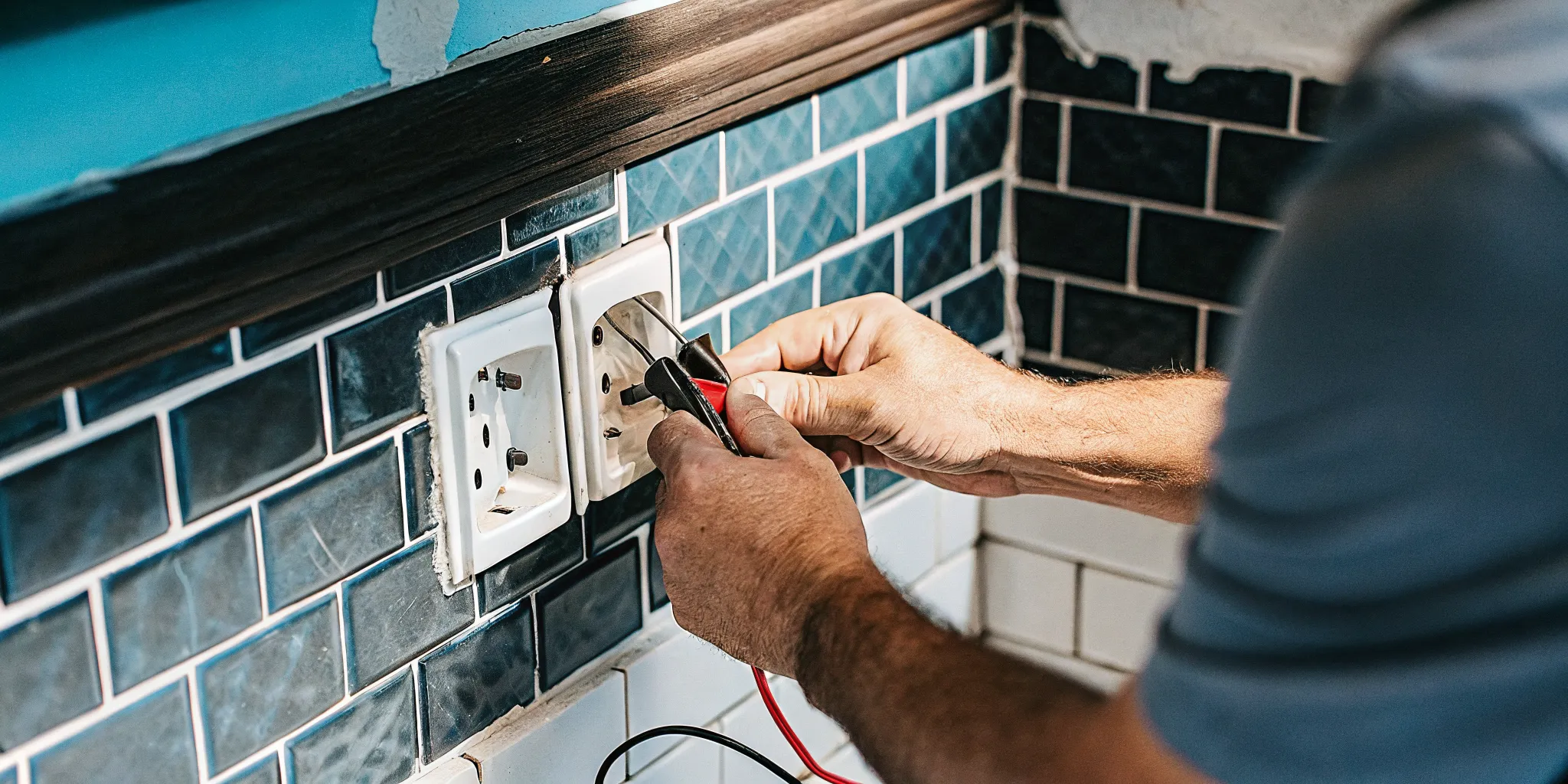
When you choose to outlet inspection and upgrade, a licensed pro does more than just swap the parts. They must first look at the whole system to make sure it is safe for modern use. This step prevents shocks and keeps your home from having fire risks. The pro will look for signs of heat, loose wires, and old parts that could fail.
A good check starts with the home's main power hub and moves to each room. The goal is to find any weak spots that might cause a trip or a short. This careful look ensures that your new plugs can handle the power needs of your tools and toys. It also keeps your family safe in your Port St. Lucie home.
Testing for a ground path
The first task for a pro is to check if your home has a ground wire. Many old homes with two slots for plugs do not have this wire. The third hole in a modern outlet gives a safe path for extra power to travel. This path keeps the metal shell of a tool at zero volts. That stops the tool from giving you a sharp shock if a wire comes loose inside.
Proper electrical grounding is vital for safety because it stops current from leaking through users. If the pro finds no ground wire, they will talk to you about the best ways to fix it. This might mean running new wires to the main box. They might also suggest using a GFCI to protect you from shocks even if there is no ground wire there.
Checking the panel and circuits
Next, the pro looks at your main breaker box. They need to see if the panel can handle the load of new tools. Older panels might not have enough space or power for a modern kitchen or home office. A full look at the box helps them see if you should update your electrical system to stay safe. They also look for any signs of rust or burn marks on the main parts.
They also check if your home needs special safety switches. Devices like GFCIs and AFCIs are now a big part of the code in Florida and the rest of the country. These parts help stop fires and shocks before they start. The pro will see if your current setup meets these high safety rules. They may also check the polarity of the wires to ensure they are on the right side.
Looking for signs of wear
A pro also looks for signs of faulty outlets or old wires. They check the wire colors and the state of the wrap around the metal. Heat and time can make old wraps brittle or cracked. If the wires are too short or too thin, it could lead to poor links or heat build-up. They also check for any loose screws that could cause a spark.
The pro looks at how the wires connect to the wall box. They ensure the box is secure and has enough room for the new plug. This check-up is part of a full home safety plan. It gives you peace of mind that your new outlets will work well for years to come. Once the check is done, the pro can start the work with a clear plan for your home.
Schedule Service to get a room-by-room outlet upgrade plan.
How should you plan an outlet upgrade for an older Florida home?
Updating your home's power starts with a clear plan. Older homes in Port St. Lucie often have old wiring that cannot handle new tools and tech. You should look at each room to find where you need the most power. Focus on rooms where you use high-power items or where water is near. This helps you replace outdated receptacles in a way that keeps your family safe.
Check high-use areas first
Kitchens and bathrooms are the most vital spots for an upgrade. These rooms need outlets that can cut power fast if they get wet. Using modern safety plugs can lead to an 83 percent drop in electrocutions in the home. You should also check your home office or TV room. These spots have pricey gear that needs a steady, grounded power source to stay safe from surges.
Find signs of worn outlets
You may see clear signs of faulty outlets before they fail. Look for burn marks, loose plugs, or covers that feel hot to the touch. In older Florida homes, you may still find two-prong plugs that lack a ground wire. These are not safe for modern use. A pro can check your whole house to see which spots need a full fix and which just need a new plug.
Ask a pro for a full check
It is best to have a licensed expert look at your system before you start. They can tell if your home needs a new panel or just a few new plugs. This step ensures your home meets the National Electrical Code. You can Schedule Service with our team to get a full safety check. We will help you find the best way to make your old home ready for new power needs.
Frequently Asked Questions
Are two-prong outlets dangerous?
Two-prong outlets generally lack an equipment-grounding connection, so they do not offer the same protection as a properly grounded three-prong receptacle. The risk is more urgent if an outlet is loose, hot, damaged, discolored, or sparking. Have a licensed electrician inspect questionable outlets and stop using any receptacle showing those warning signs.
Can I replace a two-prong outlet with a three-prong outlet?
Yes, but simply installing a three-slot receptacle does not create a ground. An electrician must verify the wiring and use a compliant upgrade method. Options may include providing a proper grounding path or installing GFCI protection with the required labeling where appropriate.
Can a GFCI replace a two-prong outlet without grounding?
A GFCI can provide shock protection on an ungrounded circuit when correctly installed and labeled. However, it does not create an equipment ground. Devices that require a true ground or rely on it for surge protection may still need grounded wiring.
How much does it cost to replace two-prong outlets?
Cost depends on the number of outlets, access to the wiring, the condition of the circuit and panel. And whether the best solution is GFCI protection or new grounded wiring. Schedule Service for an inspection and a quote based on your property.
Schedule a safer outlet upgrade
Two-prong outlets are a sign that your electrical system deserves a professional look, especially when receptacles are damaged or you need to power modern equipment. My Electrician FL can inspect the wiring, explain the available options, and help you prioritize upgrades for your Port St. Lucie area property. If you notice heat, sparks, discoloration, or a burning odor, stop using the outlet and seek prompt electrical help.
Schedule Service to request an outlet inspection and get a clear upgrade plan.
Related Electrical Services
Need help with this issue? These My Electrician services are a good next step.