
Our home’s electrical system depends on circuit breakers to keep you and your family safe. These devices stop overloads, short circuits, and potential electrical fires by cutting power when something goes wrong. But over time, even the best circuit breakers can wear out or fail, creating unexpected electrical problems. Knowing exactly when to replace circuit breaker components can protect your home, prevent appliance damage, and save you from expensive repairs. In this guide, you’ll discover the warning signs of a failing breaker, what causes it, how professionals handle replacement, and the risks of waiting too long.
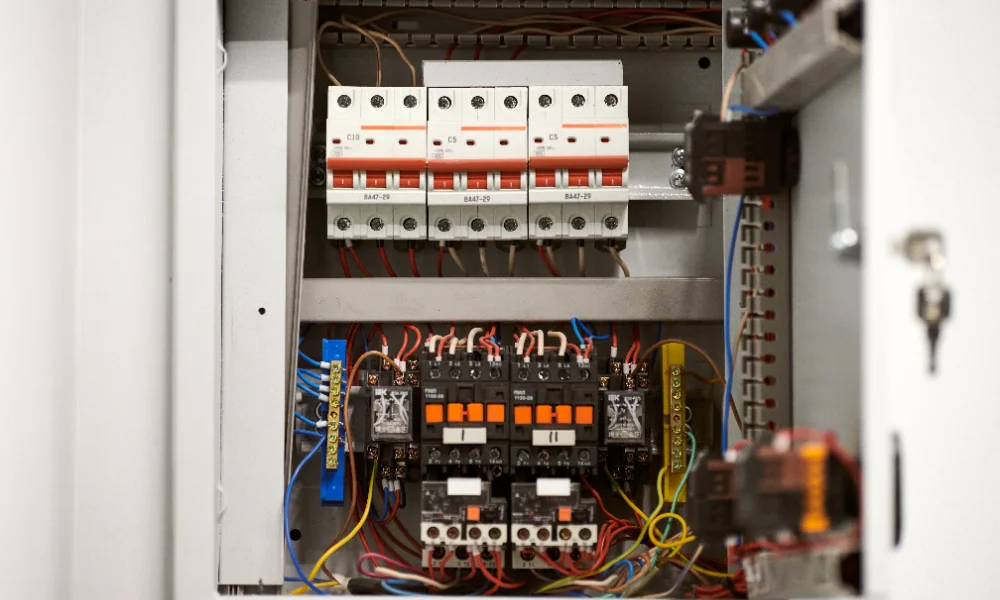
When to Replace a Circuit Breaker
Knowing the right time to replace a circuit breaker is essential for keeping your home safe and your electrical system reliable. Over time, breakers can wear out, weaken, or fail completely, which may lead to unexpected power interruptions or damage to appliances. Paying attention to your system’s performance and understanding the conditions that affect breaker lifespan helps you act before small issues turn into serious hazards.
Signs a Circuit Breaker Is Failing
Flickering Lights
In case your lights flicker or dim when using appliances, it could indicate that a breaker is struggling to handle the load. This happens when internal contacts wear out, reducing the breaker’s ability to maintain consistent power. Flickering lights are often subtle at first but can worsen, signaling it’s time to replace circuit breaker units before more serious issues develop.
Inconsistent Power
Power fluctuations in your home, such as sudden outages in one room or partial loss of electricity, often point to a weak breaker. Over time, the breaker’s internal mechanism may not fully engage, causing intermittent power. Monitoring these inconsistencies helps identify failing components early.
Appliances Losing Power Unexpectedly
If appliances turn off without warning, the breaker may be tripping internally. This is common with older breakers or those exposed to frequent electrical surges. Ignoring these events can cause damage to appliances and increase your risk of larger electrical problems.
Buzzing Sounds From the Panel
A buzzing or humming sound from your electrical panel is a strong warning of a failing breaker. This noise usually comes from loose connections or arcing inside the breaker, which can lead to overheating. Immediate inspection and replacing the circuit breaker are recommended to avoid fire hazards.
What Causes Circuit Breakers to Fail
Circuit breakers fail for several reasons. While some issues result from external electrical problems, others come from natural wear and tear. Identifying the underlying cause helps in deciding whether a simple reset will suffice or if it’s time for a full replacement.
Below are the key causes of the circuit breaker’s failure:
Electrical Overloads
Overloading a circuit happens when the connected devices take more current than the breaker can handle. Frequent overloading stresses the breaker, causing it to trip often and eventually wear out. Homes with multiple high-wattage devices on one circuit are particularly at risk.
Short Circuits
A short circuit occurs when a live wire touches a neutral or ground wire, eventually creating an immediate surge of current. Breakers protect your home by cutting the power instantly, but repeated short circuits can damage the breaker internally, necessitating replacement.
Ground Faults
Ground faults occur when electrical current escapes the intended circuit path and travels to the ground, often through metal fixtures. Circuit breakers with ground fault protection can detect this, but repeated incidents degrade their function. Homes near water sources, such as bathrooms and kitchens, are especially vulnerable.
Aging Components
Like any mechanical device, breakers have a limit ed lifespan, typically 15–20 years. Internal components, such as springs and contacts, lose effectiveness over time. Even if no obvious issues appear, aged breakers may fail unexpectedly, which is why regular inspection is important.
How Professionals Replace Circuit Breakers
Replacing the circuit breaker requires technical expertise to ensure safety and proper operation. A licensed electrician follows specific steps to confirm the problem, remove the faulty unit, and install a new breaker without risking damage or injury. Below is the professional process, which demonstrates why attempting a DIY replacement can be risky.
1. Inspect the Electrical Panel and Confirm the Issue
A licensed electrician begins by thoroughly examining your electrical panel. They check for repeated tripping patterns, signs of panel wear, loose connections, and internal damage. This professional inspection ensures that the problem is correctly identified and prevents unnecessary replacement of functioning breakers. Accurate diagnosis is key to maintaining your system’s safety and reliability.
2. Select the Correct Breaker Type and Rating
Not all breakers are the same. Using the wrong amperage or an incompatible breaker can cause overloads or fail to protect circuits. Professionals carefully choose a breaker based on your panel type, manufacturer specifications, and the total electrical load of your home. This step ensures long-term performance and compliance with electrical codes.
3. Safely Shut Off Power to the Panel
Before any replacement begins, electricians completely shut off power to the panel. This prevents accidental shocks or short circuits during the process. Shutting down power is a critical safety step that protects both the homeowner and the technician.
4. Remove the Faulty Breaker
The faulty breaker is then carefully removed from its slot. Electricians inspect all wiring for corrosion, looseness, or damage that could affect the new breaker’s performance. This attention to detail reduces the risk of future failures and ensures the panel remains in good condition.
5. Install and Secure the New Breaker
The replacement breaker is installed precisely, and the wires are securely reconnected. Proper alignment and tight connections are crucial to ensure the breaker trips correctly under overload conditions. Professionals follow manufacturer guidelines to guarantee optimal safety and functionality.
6. Test the Circuit for Proper Operation
Finally, each circuit is tested under normal and load conditions to verify proper operation. This step confirms that the new breaker functions as intended and protects your home’s electrical system. Testing provides peace of mind and demonstrates the expertise and reliability of professional service.

Risks of Delaying Circuit Breaker Replacement
Delaying action on a failing breaker can put your home’s electrical system under unnecessary strain. Over time, even minor issues may worsen, affecting your circuits, appliances, and overall system performance. Understanding the potential consequences of waiting too long highlights why timely intervention and professional replacement are essential for safety and reliability.
Here are the key risks of a circuit breaker replacement:
Fire Hazards
A faulty breaker that cannot trip properly may allow overheated wires to ignite. According to NFPA research, electrical distribution or lighting equipment was involved in an average of 31,647 reported home fires per year between 2019 and 2023, causing 425 civilian deaths, 1,279 injuries, and $1.6 billion in property damage annually. Timely replacement reduces this risk significantly.
Electrical Damage
Failing breakers can allow power surges to reach appliances, damaging motors, electronics, and sensitive equipment. Continuous exposure to inconsistent voltage can shorten appliance lifespan and result in costly repairs.
Reduced System Reliability
Homes with old or failing breakers experience frequent power interruptions. This reduces overall reliability and can complicate future upgrades, especially if additional circuits are needed. Upgrading breakers ensures smooth, dependable operation.
To help manage your electricity usage efficiently while keeping your home safe, check out five tips to save on your monthly electricity bill from My Electrician.
FAQs
Can a Circuit Breaker Be Repaired?
Minor issues, such as resetting a tripped breaker, are possible. However, internal wear, corrosion, or repeated faults require full replacement to maintain safety.
How Long Do Circuit Breakers Last?
Standard breakers typically last 15–20 years. High usage, frequent trips, or electrical surges can shorten this lifespan, making regular inspections essential.
How To Test If a House Breaker Is Bad?
Testing involves checking for frequent tripping, inconsistent power, and panel noise. Professionals may use specialized meters to measure current flow and detect internal faults.
Schedule Circuit Breaker Replacement With My Electrician in Port St. Lucie, FL
Circuit breakers are critical to home safety, and recognizing the signs of failure is essential. Flickering lights, inconsistent power, buzzing panels, or sudden appliance shutdowns all indicate it may be time to replace circuit breaker components. Delaying replacement increases fire risk, damages appliances, and reduces system reliability. For safe and efficient service, trust licensed professionals at My Electrician in Port St. Lucie, FL. Our experts ensure proper breaker selection, installation, and testing to keep your home protected.

Theresa Dudek
Theresa Dudek is Marketing Coordinator at My Electrician, Inc., a licensed electrical contractor serving the Treasure Coast and Palm Beach County since 2000. She oversees content strategy and client communications.